THE ADVENTURE COLLECTIVE® · Independent discovery and booking for outdoor travel

A private, four-hour slice of Maui’s legendary Road to Hana—this tour samples waterfalls, a bamboo forest, a volcanic coastal shelf, and a beloved halfway food stand. It’s a concentrated, guided loop for travelers who want Hana highlights without the day-long commitment.
A private, four-hour slice of Maui’s legendary Road to Hana—this tour samples waterfalls, a bamboo forest, a volcanic coastal shelf, and a beloved halfway food stand. It’s a concentrated, guided loop for travelers who want Hana highlights without the day-long commitment.
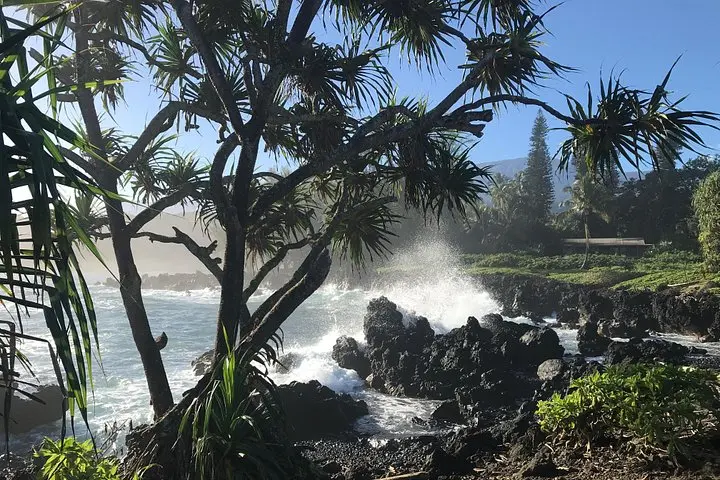
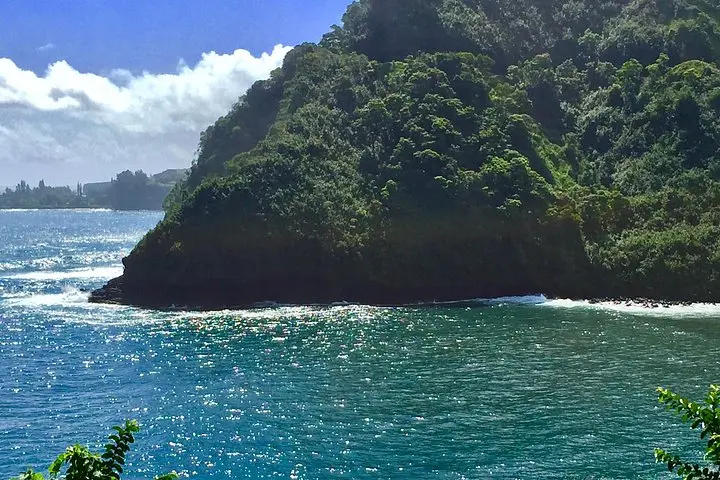
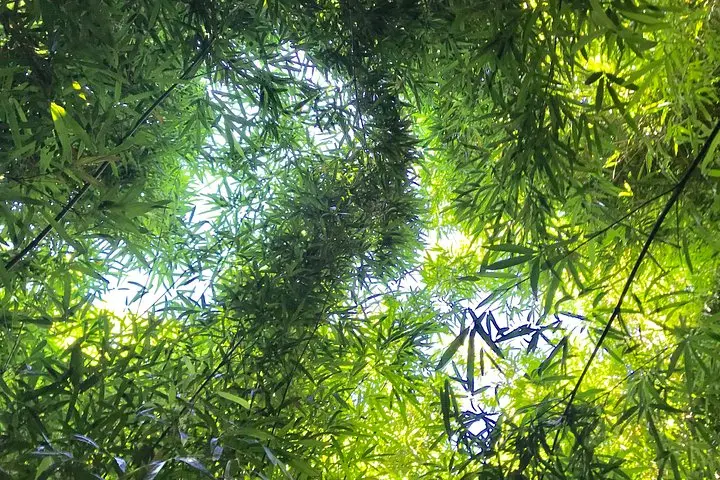
The van eases onto Hana Highway and the island exhales. Rainforest edges lean toward the road, waterfalls thread the cliffs, and the ocean below keeps a steady, unsparing blue; the drive itself feels like a deliberate act of navigation between sea and mountain. On this private four-hour Halfway to Hana tour, travelers move at a tempo that lets each turn reveal something—surf-scarred beaches, a volcanic shelf that opens like a map, a food stand serving banana bread warm from the oven, and a bamboo stand where light filters like green glass.
Verified experiences and guided adventures in the surrounding area.
Operated by Maui Legend Tours, LLC · Paia, HI
The van eases onto Hana Highway and the island exhales. Rainforest edges lean toward the road, waterfalls thread the cliffs, and the ocean below keeps a steady, unsparing blue; the drive itself feels like a deliberate act of navigation between sea and mountain. On this private four-hour Halfway to Hana tour, travelers move at a tempo that lets each turn reveal something—surf-scarred beaches, a volcanic shelf that opens like a map, a food stand serving banana bread warm from the oven, and a bamboo stand where light filters like green glass.
Geology governs the route. Haleakala's eruptions piled lava and ash that later eroded into the steep valleys and black rock shelves the road skirts. Culturally, the highway threads past ancient lo‘i kalo (taro patches) and through communities shaped by taro farming, fishing, and generations of storytelling. Guides on the tour place each stop in context—explaining place names, recounting local legends, and describing how historical trails became the winding Hana Highway travelers follow today.
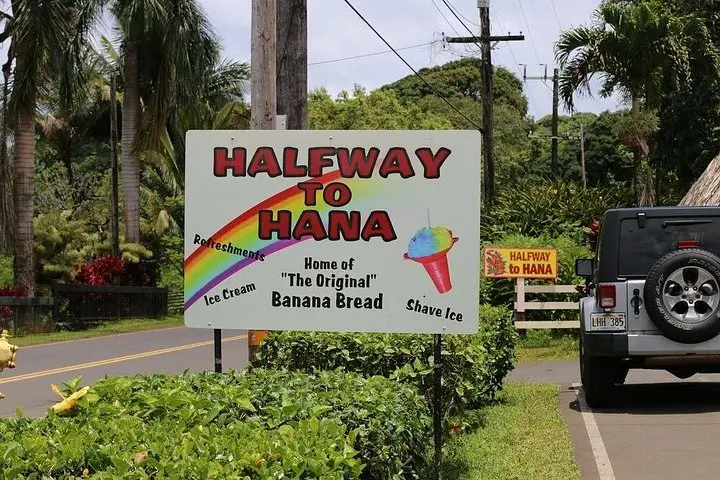
The stops are practical and sensory. Ho’okipa Beach on the north shore is often loud with wind and surf; it also sleeps hundred-pound green sea turtles on the sand. A volcanic overlook gives wide, wind-carved views where the basalt shelf juts into the ocean. The “halfway” food stand is a reliable pit stop—banana bread varieties, shave ice, and locally made ice cream—while a waterfall stop offers a short walk and a chance to swim in a clear plunge pool.
Safety and logistics are straightforward. The tour includes private transport, bottled water, snacks and hotel pickup across much of Maui; the pace is relaxed but the road can be narrow and curvy—motion-sickness medication and steady footwear are sensible additions. Respect for property and local residents is emphasized: many scenic pullouts sit beside private land or fragile ecosystems.
For photographers, the contrasts are rewarding: crashing surf against black rock, rainforest green against a cobalt sky, and intimate portraits at roadside food stands. Timing matters—late afternoon softens the light on the cliffs, while morning brings calmer waters and fewer cars.
This shorter, private version of the Road to Hana is ideal for travelers who want a concentrated dose of the north shore’s high points without committing to the full day-long loop. It balances nature and accessibility: rocky viewpoints that command attention, small hikes that demand only a short walk, and enough cultural framing to leave visitors with a clear sense of why this strip of highway is more than a scenic drive.
Yes—pickup and drop-off at most hotels and condos on Maui are included, though some remote properties may be excluded.
Yes—one scheduled stop allows swimming in a plunge pool; conditions vary, so follow the guide's safety advice and check currents.
The tour is rated easy to moderate; short walks are required. It's generally suitable for most ages but not recommended for guests with serious heart conditions or late-term pregnancy.
Restroom availability is limited to larger stops such as beaches, overlooks, and the halfway food stand—plan accordingly.
This is a private tour—the vehicle and guide are reserved for your booking, providing flexibility with timing and attention.
Tours can be canceled for heavy rain or hazardous road conditions; operators typically refund if canceled at least 24 hours prior per their policy.
Maui Legend Tours, LLC operates guided outdoor trips and adventures with an emphasis on safety, stewardship, and memorable experiences.
The van eases onto Hana Highway and the island exhales. Rainforest edges lean toward the road, waterfalls thread the cliffs, and the ocean below keeps a steady, unsparing blue; the drive itself feels like a deliberate act of navigation between sea and mountain. On this private four-hour Halfway to Hana tour, travelers move at a tempo that lets each turn reveal something—surf-scarred beaches, a volcanic shelf that opens like a map, a food stand serving banana bread warm from the oven, and a bamboo stand where light filters like green glass.
The van eases onto Hana Highway and the island exhales. Rainforest edges lean toward the road, waterfalls thread the cliffs, and the ocean below keeps a steady, unsparing blue; the drive itself feels like a deliberate act of navigation between sea and mountain. On this private four-hour Halfway to Hana tour, travelers move at a tempo that lets each turn reveal something—surf-scarred beaches, a volcanic shelf that opens like a map, a food stand serving banana bread warm from the oven, and a bamboo stand where light filters like green glass.
Geology governs the route. Haleakala's eruptions piled lava and ash that later eroded into the steep valleys and black rock shelves the road skirts. Culturally, the highway threads past ancient lo‘i kalo (taro patches) and through communities shaped by taro farming, fishing, and generations of storytelling. Guides on the tour place each stop in context—explaining place names, recounting local legends, and describing how historical trails became the winding Hana Highway travelers follow today.
The stops are practical and sensory. Ho’okipa Beach on the north shore is often loud with wind and surf; it also sleeps hundred-pound green sea turtles on the sand. A volcanic overlook gives wide, wind-carved views where the basalt shelf juts into the ocean. The “halfway” food stand is a reliable pit stop—banana bread varieties, shave ice, and locally made ice cream—while a waterfall stop offers a short walk and a chance to swim in a clear plunge pool.
Safety and logistics are straightforward. The tour includes private transport, bottled water, snacks and hotel pickup across much of Maui; the pace is relaxed but the road can be narrow and curvy—motion-sickness medication and steady footwear are sensible additions. Respect for property and local residents is emphasized: many scenic pullouts sit beside private land or fragile ecosystems.
For photographers, the contrasts are rewarding: crashing surf against black rock, rainforest green against a cobalt sky, and intimate portraits at roadside food stands. Timing matters—late afternoon softens the light on the cliffs, while morning brings calmer waters and fewer cars.
This shorter, private version of the Road to Hana is ideal for travelers who want a concentrated dose of the north shore’s high points without committing to the full day-long loop. It balances nature and accessibility: rocky viewpoints that command attention, small hikes that demand only a short walk, and enough cultural framing to leave visitors with a clear sense of why this strip of highway is more than a scenic drive.