THE ADVENTURE COLLECTIVE® · Independent discovery and booking for outdoor travel

Spend a day driving Nova Scotia’s South Shore with a private guide — from Mahone Bay’s iconic churches to Lunenburg’s colorful waterfront and the sea‑carved Ovens Natural Park. This 8‑hour route blends short walks, panoramic coastal views, and maritime history with local insights and practical pacing.
Spend a day driving Nova Scotia’s South Shore with a private guide — from Mahone Bay’s iconic churches to Lunenburg’s colorful waterfront and the sea‑carved Ovens Natural Park. This 8‑hour route blends short walks, panoramic coastal views, and maritime history with local insights and practical pacing.
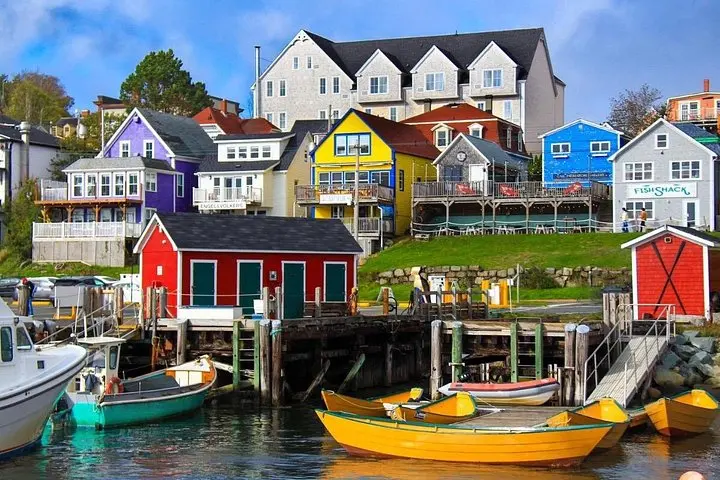
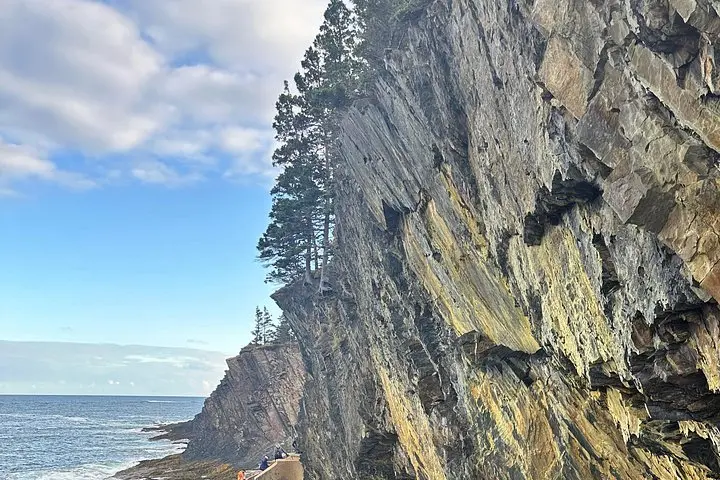
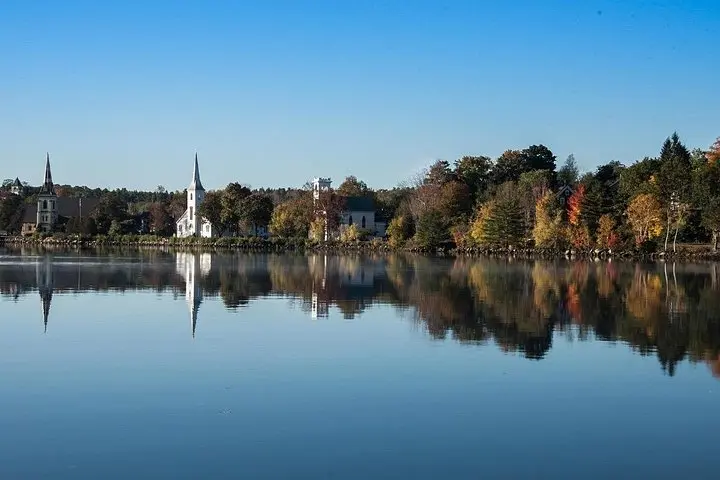
You step into the salt-bright air as the vehicle slips out of Halifax and onto the two-lane ribbon of the South Shore. Rolling fields and small fishing villages pass by; the Atlantic sits to your right like a constant, breathing presence. The day is paced for short walks and long views — picture-perfect photo stops at Mahone Bay, a cobblestone stroll through UNESCO-listed Lunenburg, the wind-carved cliffs and sea caves of Ovens Natural Park, and the compact military terraces of the Halifax Citadel.
Verified experiences and guided adventures in the surrounding area.
Operated by Travelportal · Halifax, Nova Scotia
You step into the salt-bright air as the vehicle slips out of Halifax and onto the two-lane ribbon of the South Shore. Rolling fields and small fishing villages pass by; the Atlantic sits to your right like a constant, breathing presence. The day is paced for short walks and long views — picture-perfect photo stops at Mahone Bay, a cobblestone stroll through UNESCO-listed Lunenburg, the wind-carved cliffs and sea caves of Ovens Natural Park, and the compact military terraces of the Halifax Citadel.
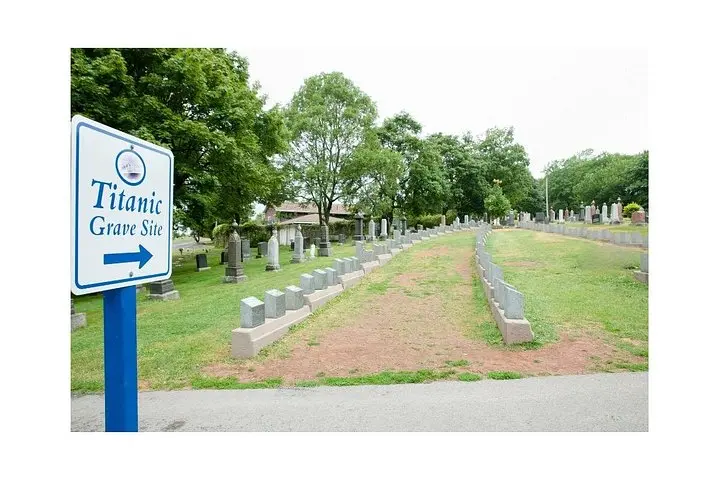
This coastline has been shaped by the North Atlantic’s pull — glacial scouring left ledges and coves; shipbuilding and fishing defined towns like Lunenburg, which still wears its 18th- and 19th-century grid and colorful waterfront. Cultural touchpoints range from shipwright lore and the Fisheries Museum to Halifax’s role in transatlantic shipping and Titanic recovery operations.
Expect mostly low-impact walking: 20–60 minute on-foot segments on paved streets, boardwalk sections, and rugged rocky trails at Ovens with short stair sections and modest elevation changes (typically under 150m per stop). Park admission and some museum tickets are extra; the guide handles logistics and local context.
Practical edge: bring layered windproof clothing, sturdy shoes for uneven coastal rock, and small change or card for park admission. Morning light highlights the waterfront architecture; late afternoon accentuates cliffs and the harbor. The tour is relaxed but timed — if you want longer at one place, communicate with your guide early. This is a compact, highly walkable way to sample Nova Scotia’s maritime history, coastal geology, and everyday seaside culture in a single, well-paced day.
No; park passes for Ovens Natural Park and Citadel admission are payable on-site unless otherwise specified — bring card or cash.
Yes; the tour is low-impact with short walks. Infant seats are available and the route is rated easy for most mobility levels.
Yes; it’s a private tour so the guide can extend or shorten stops subject to the 8‑hour schedule and traffic.
The tour starts from your chosen pickup point in Halifax and returns there at the end of the 8‑hour day; confirm pickup time and location when booking.
Travelportal operates guided outdoor trips and adventures with an emphasis on safety, stewardship, and memorable experiences.
You step into the salt-bright air as the vehicle slips out of Halifax and onto the two-lane ribbon of the South Shore. Rolling fields and small fishing villages pass by; the Atlantic sits to your right like a constant, breathing presence. The day is paced for short walks and long views — picture-perfect photo stops at Mahone Bay, a cobblestone stroll through UNESCO-listed Lunenburg, the wind-carved cliffs and sea caves of Ovens Natural Park, and the compact military terraces of the Halifax Citadel.
You step into the salt-bright air as the vehicle slips out of Halifax and onto the two-lane ribbon of the South Shore. Rolling fields and small fishing villages pass by; the Atlantic sits to your right like a constant, breathing presence. The day is paced for short walks and long views — picture-perfect photo stops at Mahone Bay, a cobblestone stroll through UNESCO-listed Lunenburg, the wind-carved cliffs and sea caves of Ovens Natural Park, and the compact military terraces of the Halifax Citadel.
This coastline has been shaped by the North Atlantic’s pull — glacial scouring left ledges and coves; shipbuilding and fishing defined towns like Lunenburg, which still wears its 18th- and 19th-century grid and colorful waterfront. Cultural touchpoints range from shipwright lore and the Fisheries Museum to Halifax’s role in transatlantic shipping and Titanic recovery operations.
Expect mostly low-impact walking: 20–60 minute on-foot segments on paved streets, boardwalk sections, and rugged rocky trails at Ovens with short stair sections and modest elevation changes (typically under 150m per stop). Park admission and some museum tickets are extra; the guide handles logistics and local context.
Practical edge: bring layered windproof clothing, sturdy shoes for uneven coastal rock, and small change or card for park admission. Morning light highlights the waterfront architecture; late afternoon accentuates cliffs and the harbor. The tour is relaxed but timed — if you want longer at one place, communicate with your guide early. This is a compact, highly walkable way to sample Nova Scotia’s maritime history, coastal geology, and everyday seaside culture in a single, well-paced day.