THE ADVENTURE COLLECTIVE® · Independent discovery and booking for outdoor travel

Take a long day from Vienna to Hallstatt and trade the city's bustle for a lakeside walk through 3,000 years of salt-mining history, dramatic Alpine geology, and picture-postcard viewpoints. This concise guide explains what you’ll see and how to plan the day.
Take a long day from Vienna to Hallstatt and trade the city's bustle for a lakeside walk through 3,000 years of salt-mining history, dramatic Alpine geology, and picture-postcard viewpoints. This concise guide explains what you’ll see and how to plan the day.
You step off the coach and the lake meets you first — a dark ribbon reflecting stepped roofs and a church spire that rises like a compass needle. Cold mountain air pushes toward the village, and the Alps frame Hallstatt like a living map. Walkways are stone; the sound of water and distant bells keeps time with a slow, local pulse.
Verified experiences and guided adventures in the surrounding area.
Operated by Visit Austria · Hallstatt, Upper Austria
You step off the coach and the lake meets you first — a dark ribbon reflecting stepped roofs and a church spire that rises like a compass needle. Cold mountain air pushes toward the village, and the Alps frame Hallstatt like a living map. Walkways are stone; the sound of water and distant bells keeps time with a slow, local pulse.
Hallstatt’s history is tangible: salt was mined here for thousands of years and gave its name to the early Iron Age Hallstatt culture. Geology shapes the place — limestone cliffs give way to terraces and caves, while glacial lakes reflect steep pastures. Local life still orbits salt and tourism; narrow lanes and painted facades tell of generations who made a living from the lake and the mountain.
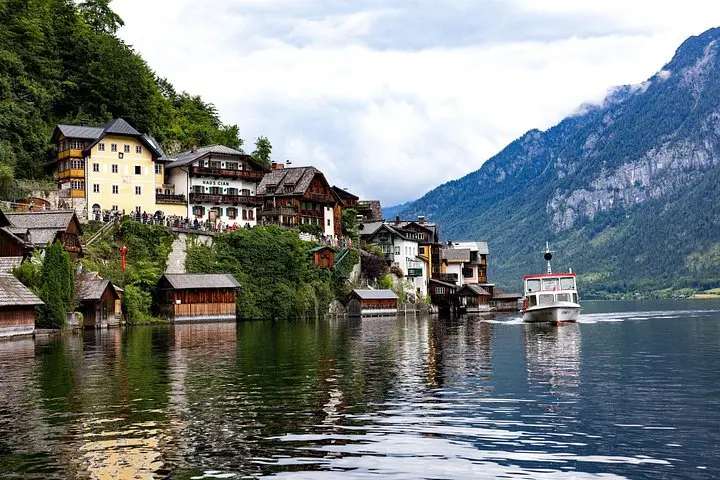
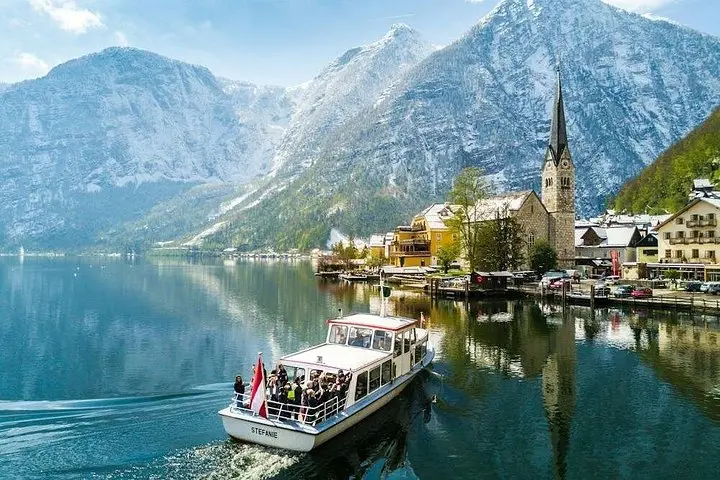
Expect a guided stroll through narrow streets, stories about the salt mines and the famous Bone House, and panoramic viewpoints from the lakeshore or the Skywalk. If time allows, short boat rides offer a different angle on the village, and the mine visitor center explains prehistoric extraction methods.
Practicalities: the tour is long — 11–13 hours round-trip from Vienna — so plan for an early start and a late return. Wear sturdy shoes for cobbles and steps, dress in layers for rapid alpine changes, and bring a reusable water bottle. Photography windows open in the morning and late afternoon light; mid-day can be crowded. Respect local paths and quiet hours: Hallstatt is small and fragile, and thoughtful travel keeps it that way.
The itinerary runs about 11–13 hours total, including travel time — expect a full day with an early departure and late return.
This tour typically offers a walking tour and time in Hallstatt; paid entrance to Salzwelten (the salt mine) or boat rides may not be included and are optional on-site.
The tour notes it’s physically easy overall but involves walking on uneven surfaces; it may not be suitable for those with significant walking difficulties.
Late spring (May) and early autumn (September) have fewer visitors than July–August; early-morning arrival on-site also helps avoid peak crowds.
Visit Austria operates guided outdoor trips and adventures with an emphasis on safety, stewardship, and memorable experiences.
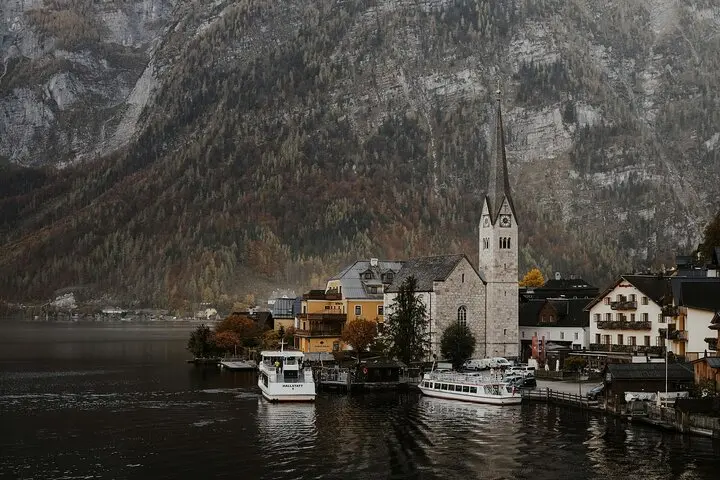
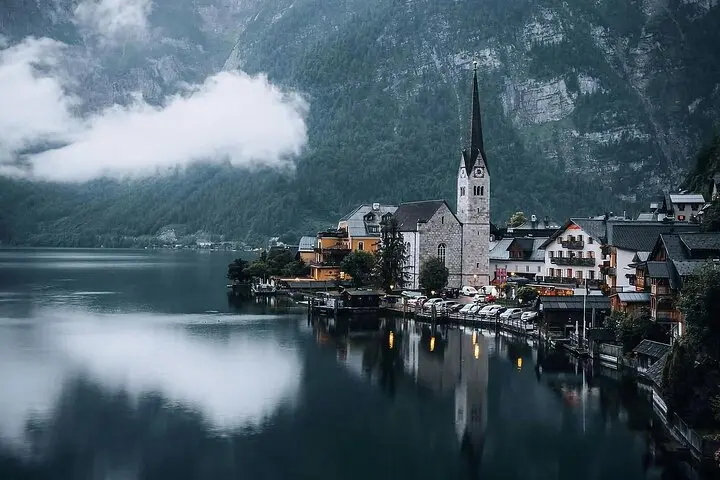
You step off the coach and the lake meets you first — a dark ribbon reflecting stepped roofs and a church spire that rises like a compass needle. Cold mountain air pushes toward the village, and the Alps frame Hallstatt like a living map. Walkways are stone; the sound of water and distant bells keeps time with a slow, local pulse.
You step off the coach and the lake meets you first — a dark ribbon reflecting stepped roofs and a church spire that rises like a compass needle. Cold mountain air pushes toward the village, and the Alps frame Hallstatt like a living map. Walkways are stone; the sound of water and distant bells keeps time with a slow, local pulse.
Hallstatt’s history is tangible: salt was mined here for thousands of years and gave its name to the early Iron Age Hallstatt culture. Geology shapes the place — limestone cliffs give way to terraces and caves, while glacial lakes reflect steep pastures. Local life still orbits salt and tourism; narrow lanes and painted facades tell of generations who made a living from the lake and the mountain.
Expect a guided stroll through narrow streets, stories about the salt mines and the famous Bone House, and panoramic viewpoints from the lakeshore or the Skywalk. If time allows, short boat rides offer a different angle on the village, and the mine visitor center explains prehistoric extraction methods.
Practicalities: the tour is long — 11–13 hours round-trip from Vienna — so plan for an early start and a late return. Wear sturdy shoes for cobbles and steps, dress in layers for rapid alpine changes, and bring a reusable water bottle. Photography windows open in the morning and late afternoon light; mid-day can be crowded. Respect local paths and quiet hours: Hallstatt is small and fragile, and thoughtful travel keeps it that way.