THE ADVENTURE COLLECTIVE® · Independent discovery and booking for outdoor travel

Ride a ferry through Korea’s emerald islands, stroll Oedo Botania’s cliff gardens and take the Mt. Noja cable car for sweeping views of Hallyeohaesang National Park. Practical tips on timing, oysters and weather to help you plan.
Ride a ferry through Korea’s emerald islands, stroll Oedo Botania’s cliff gardens and take the Mt. Noja cable car for sweeping views of Hallyeohaesang National Park. Practical tips on timing, oysters and weather to help you plan.
The morning air tastes of salt and diesel as the ferry slips away from the pier, islands unspooling like green coins across a flat blue sea. Waves nudge the hull and Haegeumgang’s jagged cliffs loom—rocks that have been cut and polished by tides for millennia, daring you to look closer.
Verified experiences and guided adventures in the surrounding area.
Operated by KOREA DISCOVERY TOUR · Tongyeong, South Gyeongsang
The morning air tastes of salt and diesel as the ferry slips away from the pier, islands unspooling like green coins across a flat blue sea. Waves nudge the hull and Haegeumgang’s jagged cliffs loom—rocks that have been cut and polished by tides for millennia, daring you to look closer.
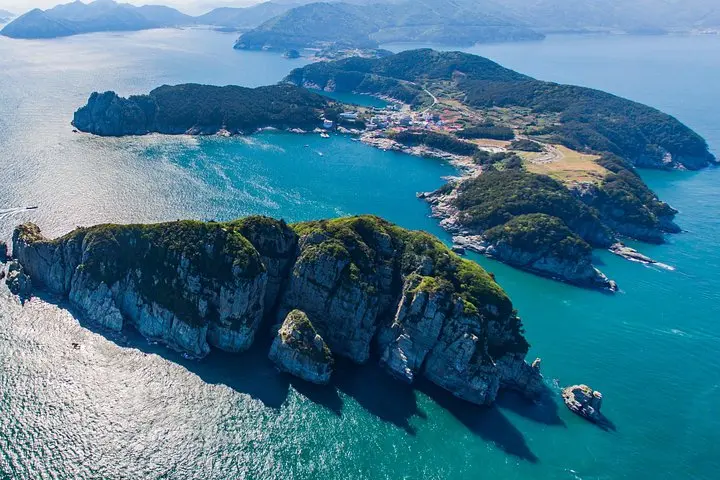
Hallyeohaesang was Korea’s second national park, designated in 1968 to protect its complex archipelago of about 100 islands scattered along the southern coast. Geology here is primarily marine-eroded granite and volcanic outcrops; wind and waves sculpt sheer cliffs and hidden coves that supported centuries of fishing communities in Tongyeong and Geoje. Cultural life on these shores centers on small harbors, seafood markets and the seasonal oyster harvest (October–February), a culinary draw for visitors.
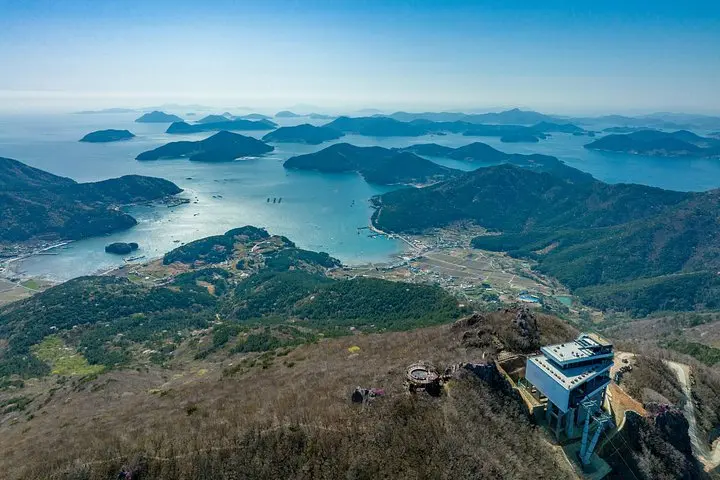
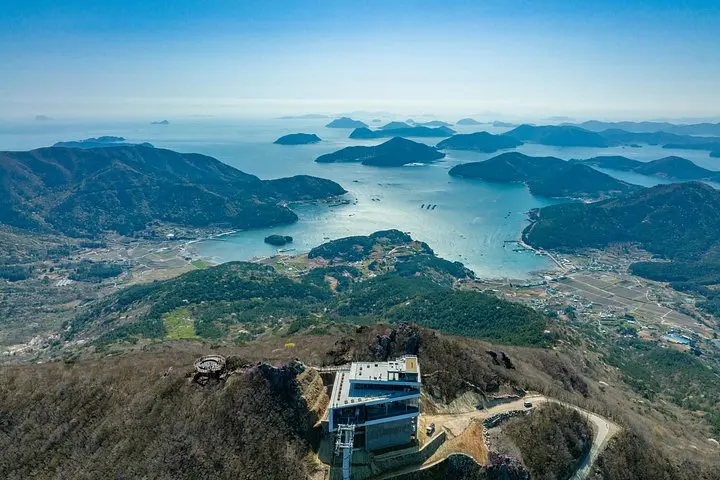
On a typical day trip you’ll cross open water by ferry to Oedo Botania, a man-made botanical garden perched on an island, then walk paths that thread formal terraces and cliff-edge vistas. A cable car ascent to Mt. Noja (about 458 m) offers a quick vertical shift — forested slopes give way to panoramic sea-room and scattered islets. Expect wind at exposed viewpoints and sudden fog that can close the cable car or delay cruises.
Practical guidance: bring layered windproof clothing, sturdy shoes for uneven paths, and a daypack with water. Time your visit outside typhoon season and book early if you want oyster-based lunches in Geoje or Tongyeong. Check weather and operator notices the morning of departure—the ocean decides the schedule as much as the timetable.
The trip is typically 9–10 hours and commonly departs from Busan or Tongyeong depending on the operator; plan for a 1.5-hour drive from Busan to the pier if that’s your meeting point.
Operators will cancel or reschedule in high wind or fog; check cancellation policies and the morning weather—refunds or alternate plans are usually offered within the tour’s policy window.
Yes—Geoje and Tongyeong are known for oysters and other local seafood, especially October–February when oysters are freshest; bring cash for market stalls.
Generally yes for children and active older adults, but expect uneven paths and short climbs; notify the operator of mobility concerns ahead of booking.
KOREA DISCOVERY TOUR operates guided outdoor trips and adventures with an emphasis on safety, stewardship, and memorable experiences.
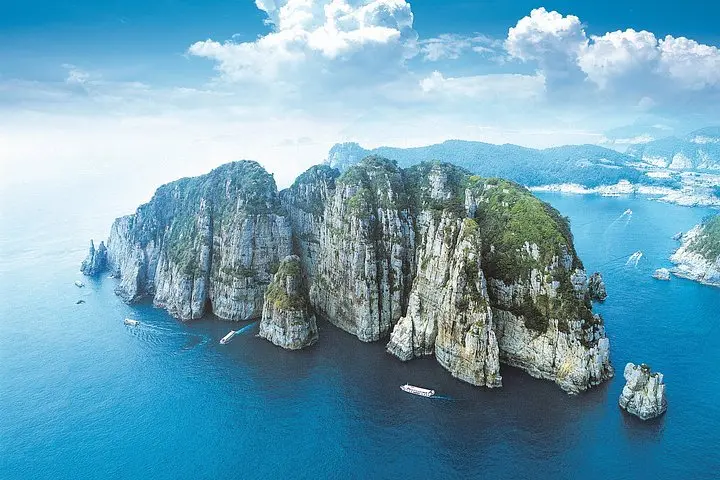
The morning air tastes of salt and diesel as the ferry slips away from the pier, islands unspooling like green coins across a flat blue sea. Waves nudge the hull and Haegeumgang’s jagged cliffs loom—rocks that have been cut and polished by tides for millennia, daring you to look closer.
The morning air tastes of salt and diesel as the ferry slips away from the pier, islands unspooling like green coins across a flat blue sea. Waves nudge the hull and Haegeumgang’s jagged cliffs loom—rocks that have been cut and polished by tides for millennia, daring you to look closer.
Hallyeohaesang was Korea’s second national park, designated in 1968 to protect its complex archipelago of about 100 islands scattered along the southern coast. Geology here is primarily marine-eroded granite and volcanic outcrops; wind and waves sculpt sheer cliffs and hidden coves that supported centuries of fishing communities in Tongyeong and Geoje. Cultural life on these shores centers on small harbors, seafood markets and the seasonal oyster harvest (October–February), a culinary draw for visitors.
On a typical day trip you’ll cross open water by ferry to Oedo Botania, a man-made botanical garden perched on an island, then walk paths that thread formal terraces and cliff-edge vistas. A cable car ascent to Mt. Noja (about 458 m) offers a quick vertical shift — forested slopes give way to panoramic sea-room and scattered islets. Expect wind at exposed viewpoints and sudden fog that can close the cable car or delay cruises.
Practical guidance: bring layered windproof clothing, sturdy shoes for uneven paths, and a daypack with water. Time your visit outside typhoon season and book early if you want oyster-based lunches in Geoje or Tongyeong. Check weather and operator notices the morning of departure—the ocean decides the schedule as much as the timetable.