THE ADVENTURE COLLECTIVE® · Independent discovery and booking for outdoor travel

A brisk, two-hour guided walk through Hamburg’s maritime heart: climb St. Michael’s for the view, roam Speicherstadt’s canals and watch HafenCity’s modern edges meet industrial docks. Practical guidance and local context help you make the most of a short city exploration.
A brisk, two-hour guided walk through Hamburg’s maritime heart: climb St. Michael’s for the view, roam Speicherstadt’s canals and watch HafenCity’s modern edges meet industrial docks. Practical guidance and local context help you make the most of a short city exploration.
Morning air off the Elbe sharpens as you step from transit into the space between copper roofs and red brick: the Hamburg Must See Attractions walking tour unfolds across two hours of dense city history.
Verified experiences and guided adventures in the surrounding area.
Operated by Guydeez · Hamburg, Hamburg
Morning air off the Elbe sharpens as you step from transit into the space between copper roofs and red brick: the Hamburg Must See Attractions walking tour unfolds across two hours of dense city history.
Start at St. Michael's Church, where the Baroque tower peers over shipping cranes and offers a panorama of a port shaped by water and trade. Move into Speicherstadt’s ribbon of canals and warehouses, built on oak piles during the late 19th‑century expansion that made Hamburg a global goods hub. The brick façades here map the routes of coffee, tea and spice that fueled Hanseatic merchants.
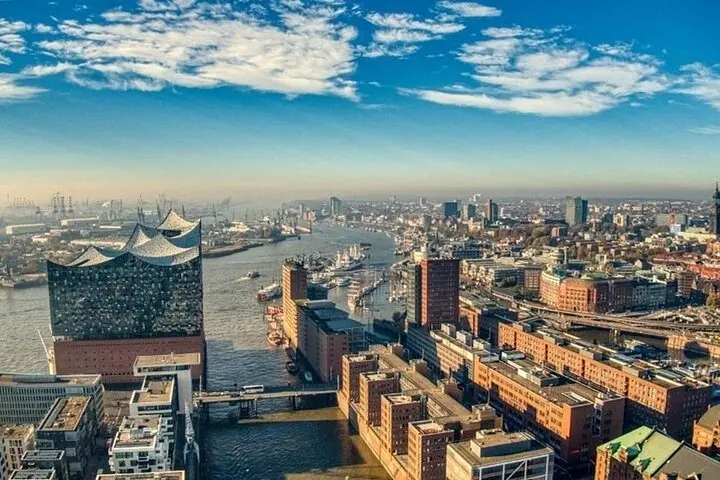
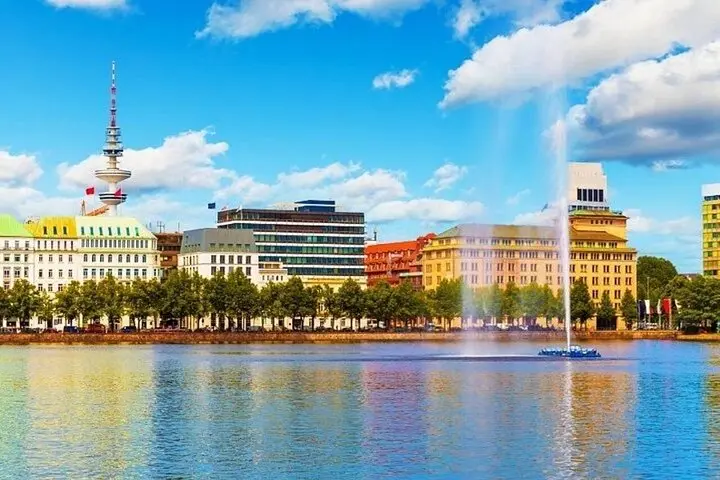
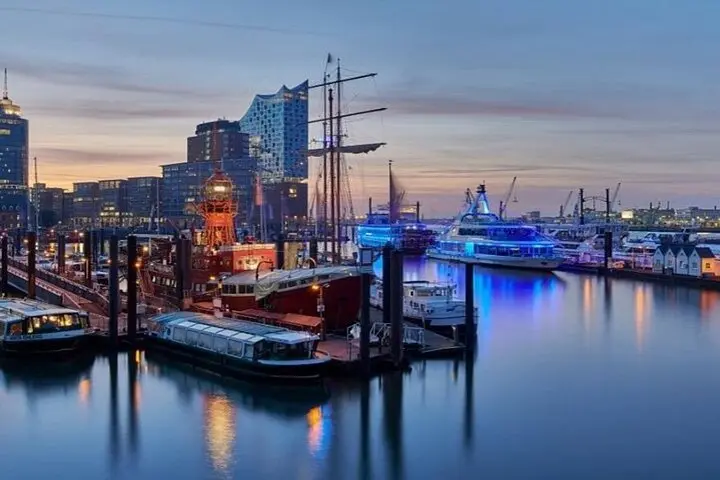
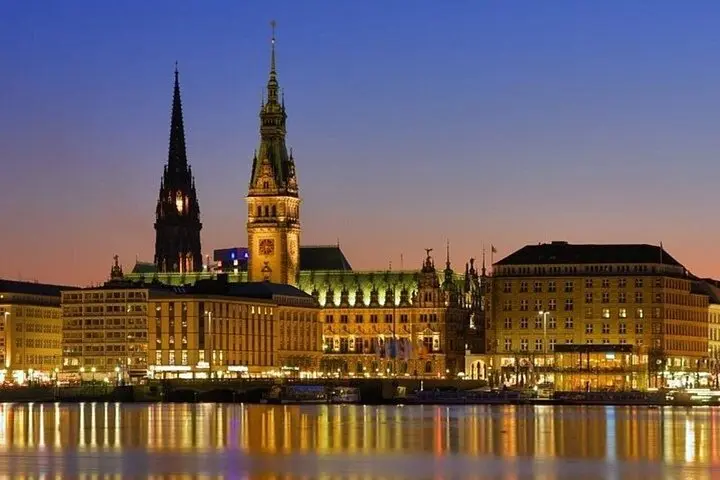
Pass the neo‑Renaissance Rathaus and wander the cobbles of Deichstrasse, where 17th‑century gabled houses still frame the street. The tour threads through HafenCity to show how modern architecture stitches itself to the industrial port, and finishes at the St. Nikolai Memorial, a sobering reminder of wartime loss and civic rebuilding. Note the Hanseatic legacy: merchant wealth, port engineering and civic power shaped the city’s layout visually.
Practical notes: the route covers pavement and cobblestones over roughly 3–4 km with stops; expect moderate walking at an easy pace. Wear grippy shoes for uneven stones, dress in layers—the wind off the Elbe can cut through light jackets—and bring a public-transport pass to reach other neighborhoods. Guides deliver English narration and can adapt the walk for private groups. Peak summer brings crowds and longer lines; early starts avoid heat and congestion. Bring a camera; the city’s contrasts are most vivid on foot.
The tour includes guide narration but not paid admissions; if you want to climb the tower or enter paid exhibits check locally and bring cash or card.
Major segments are accessible, though cobblestones and older streets can be bumpy — wheelchair users should notify the operator to arrange the best path.
Typical meeting point is at St. Michael's Church; the tour lasts about two hours and covers multiple central attractions.
Yes—private and small group options are available and guides can adjust pace or focus on specific interests with prior notice.
Guydeez operates guided outdoor trips and adventures with an emphasis on safety, stewardship, and memorable experiences.
Morning air off the Elbe sharpens as you step from transit into the space between copper roofs and red brick: the Hamburg Must See Attractions walking tour unfolds across two hours of dense city history.
Morning air off the Elbe sharpens as you step from transit into the space between copper roofs and red brick: the Hamburg Must See Attractions walking tour unfolds across two hours of dense city history.
Start at St. Michael's Church, where the Baroque tower peers over shipping cranes and offers a panorama of a port shaped by water and trade. Move into Speicherstadt’s ribbon of canals and warehouses, built on oak piles during the late 19th‑century expansion that made Hamburg a global goods hub. The brick façades here map the routes of coffee, tea and spice that fueled Hanseatic merchants.
Pass the neo‑Renaissance Rathaus and wander the cobbles of Deichstrasse, where 17th‑century gabled houses still frame the street. The tour threads through HafenCity to show how modern architecture stitches itself to the industrial port, and finishes at the St. Nikolai Memorial, a sobering reminder of wartime loss and civic rebuilding. Note the Hanseatic legacy: merchant wealth, port engineering and civic power shaped the city’s layout visually.
Practical notes: the route covers pavement and cobblestones over roughly 3–4 km with stops; expect moderate walking at an easy pace. Wear grippy shoes for uneven stones, dress in layers—the wind off the Elbe can cut through light jackets—and bring a public-transport pass to reach other neighborhoods. Guides deliver English narration and can adapt the walk for private groups. Peak summer brings crowds and longer lines; early starts avoid heat and congestion. Bring a camera; the city’s contrasts are most vivid on foot.