THE ADVENTURE COLLECTIVE® · Independent discovery and booking for outdoor travel

Glide from Negombo along the historic Hamilton Canal before stepping into Colombo’s bustling streets and colonial landmarks. This full-day private combo pairs calm waterway scenes with an efficient introduction to Sri Lanka’s capital.
Glide from Negombo along the historic Hamilton Canal before stepping into Colombo’s bustling streets and colonial landmarks. This full-day private combo pairs calm waterway scenes with an efficient introduction to Sri Lanka’s capital.
Morning mist lifts off the canal as the motorboat slides away from Negombo’s shoreline — wooden houses and reed beds blur into the slow geometry of water and mangrove roots. The Hamilton Canal, cut by the Dutch and widened later by the British, guides the vessel past fishing hamlets, salt pans, and low-lying wetlands that already smell of brine and green mud.
Verified experiences and guided adventures in the surrounding area.
Operated by Beyond Escapes · Negombo, Western Province
Morning mist lifts off the canal as the motorboat slides away from Negombo’s shoreline — wooden houses and reed beds blur into the slow geometry of water and mangrove roots. The Hamilton Canal, cut by the Dutch and widened later by the British, guides the vessel past fishing hamlets, salt pans, and low-lying wetlands that already smell of brine and green mud.
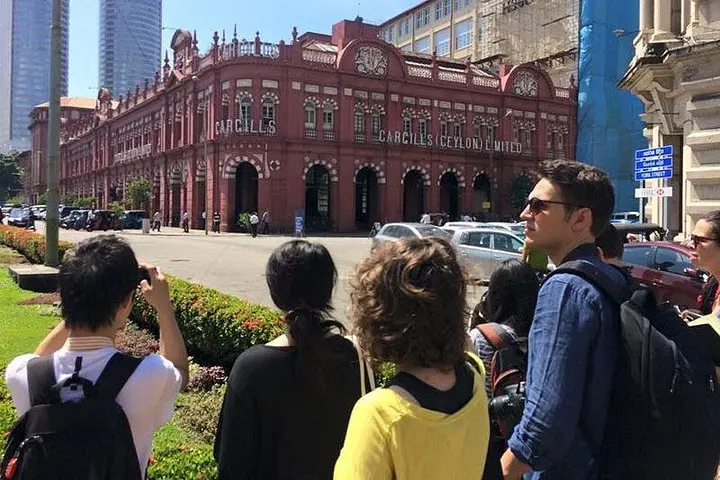
This route is both colonial artifact and living landscape: a 19th-century engineering link intended to move goods around lagoons now ferries commuters, birds, and curious travelers. Geologically the corridor follows a coastal lagoon system where sediment, tidal flows, and monsoon-runoff shape shifting channels and mangrove edges. Culturally the day arrives in Colombo — a city worn smooth by trade: Dutch gables share space with Buddhist stupas, mosques, and the frenetic lanes of Pettah market.
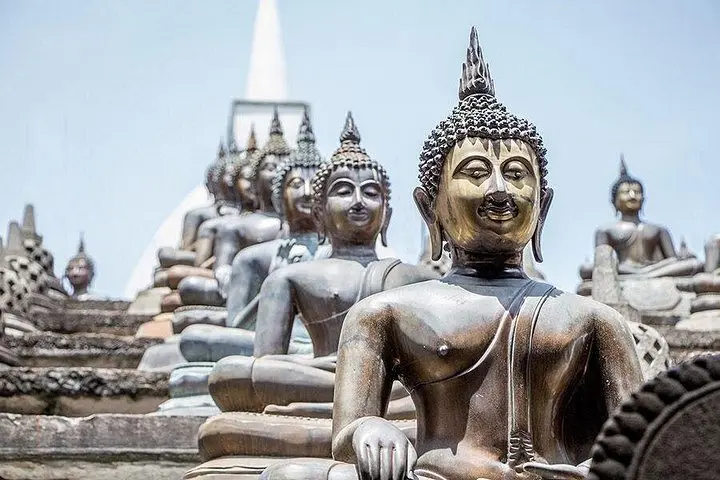
Expect a slow, reflective first half on sheltered water, then a brisk, narrated walk-and-drive through Galle Face Green, Gangaramaya Temple (dress modestly), Independence Memorial Hall, and bustling Pettah. Guides usually cover colonial history, local commerce, and contemporary urban life.
Practical: the full trip runs about eight hours with hotel pickup in an air-conditioned vehicle. Wear breathable, sun-safe clothing for the city stops and bring light footwear suitable for boarding a small boat and walking cobbled streets. Carry mosquito repellent, sunscreen, a refillable bottle, and a small camera bag for quick stops. If the monsoon has been active, expect higher tides and muddier shores; scheduled cancelations are rare but check forecasts. With accessible transport and a relaxed pace, this combo is a straightforward way to pair Sri Lanka’s waterways with its capital’s layered history.
The Hamilton Canal ride runs roughly 60–90 minutes, depending on stops and water conditions, followed by about four hours of sightseeing in Colombo.
Yes — the tour is advertised as suitable for all fitness levels; vehicles and transfer points are wheelchair-accessible but confirm specific mobility needs when booking.
Most itineraries include narrated visits and external viewing; check the booking details for any paid-entry sites — some temples do not charge but expect donations.
Dress smart casual overall; when entering temples cover shoulders and knees and remove shoes as required.
Beyond Escapes operates guided outdoor trips and adventures with an emphasis on safety, stewardship, and memorable experiences.
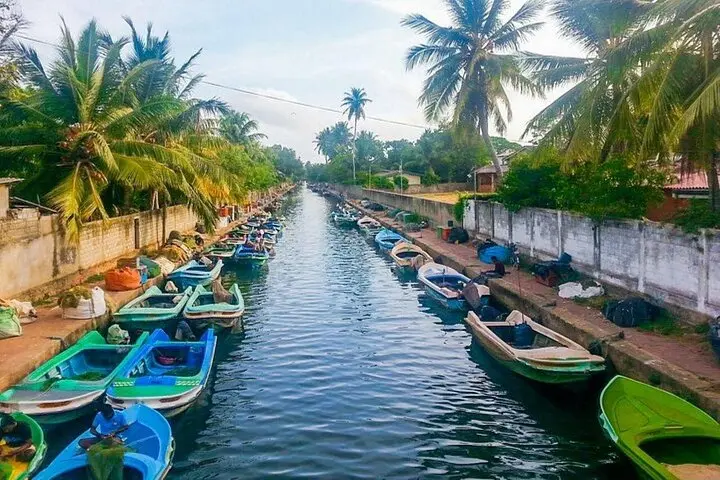
Morning mist lifts off the canal as the motorboat slides away from Negombo’s shoreline — wooden houses and reed beds blur into the slow geometry of water and mangrove roots. The Hamilton Canal, cut by the Dutch and widened later by the British, guides the vessel past fishing hamlets, salt pans, and low-lying wetlands that already smell of brine and green mud.
Morning mist lifts off the canal as the motorboat slides away from Negombo’s shoreline — wooden houses and reed beds blur into the slow geometry of water and mangrove roots. The Hamilton Canal, cut by the Dutch and widened later by the British, guides the vessel past fishing hamlets, salt pans, and low-lying wetlands that already smell of brine and green mud.
This route is both colonial artifact and living landscape: a 19th-century engineering link intended to move goods around lagoons now ferries commuters, birds, and curious travelers. Geologically the corridor follows a coastal lagoon system where sediment, tidal flows, and monsoon-runoff shape shifting channels and mangrove edges. Culturally the day arrives in Colombo — a city worn smooth by trade: Dutch gables share space with Buddhist stupas, mosques, and the frenetic lanes of Pettah market.
Expect a slow, reflective first half on sheltered water, then a brisk, narrated walk-and-drive through Galle Face Green, Gangaramaya Temple (dress modestly), Independence Memorial Hall, and bustling Pettah. Guides usually cover colonial history, local commerce, and contemporary urban life.
Practical: the full trip runs about eight hours with hotel pickup in an air-conditioned vehicle. Wear breathable, sun-safe clothing for the city stops and bring light footwear suitable for boarding a small boat and walking cobbled streets. Carry mosquito repellent, sunscreen, a refillable bottle, and a small camera bag for quick stops. If the monsoon has been active, expect higher tides and muddier shores; scheduled cancelations are rare but check forecasts. With accessible transport and a relaxed pace, this combo is a straightforward way to pair Sri Lanka’s waterways with its capital’s layered history.