THE ADVENTURE COLLECTIVE® · Independent discovery and booking for outdoor travel

See three of southern England’s most resonant sites in one day: Tudor statecraft at Hampton Court, prehistoric force at Stonehenge, and Roman- and Georgian-era Bath. This private, guided transfer packs history, geology and easy logistics into a 12‑hour loop from London.
See three of southern England’s most resonant sites in one day: Tudor statecraft at Hampton Court, prehistoric force at Stonehenge, and Roman- and Georgian-era Bath. This private, guided transfer packs history, geology and easy logistics into a 12‑hour loop from London.
The minivan peels away from London before dawn and the city’s hard edges soften into hedgerows and rolling chalk downland.
Verified experiences and guided adventures in the surrounding area.
Operated by My Dream Destinations · London, England
The minivan peels away from London before dawn and the city’s hard edges soften into hedgerows and rolling chalk downland.
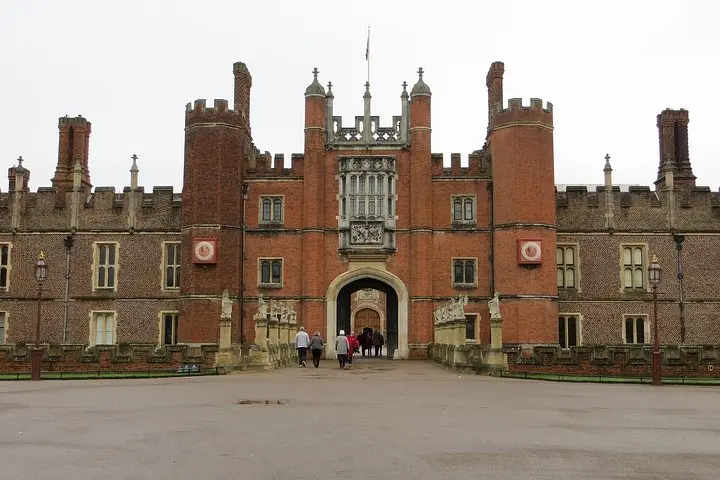
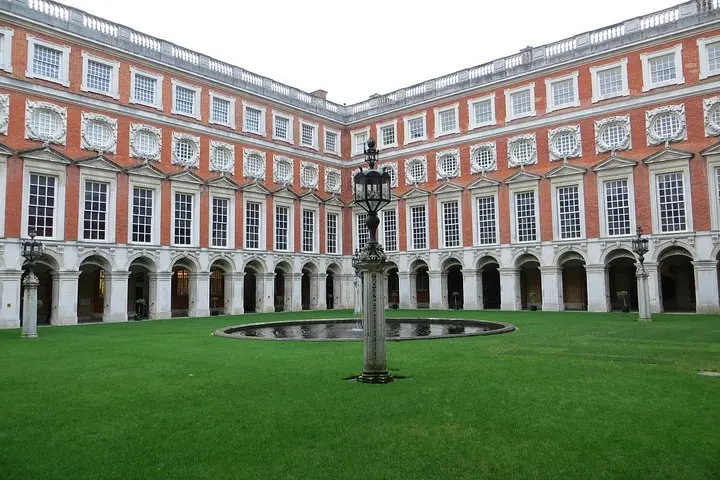
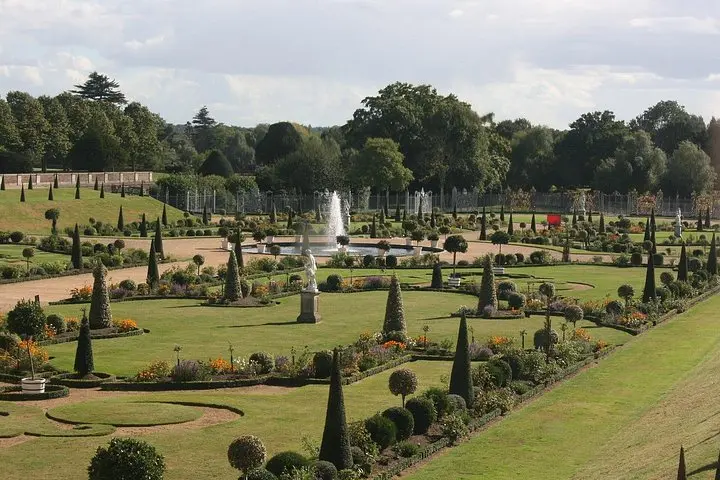
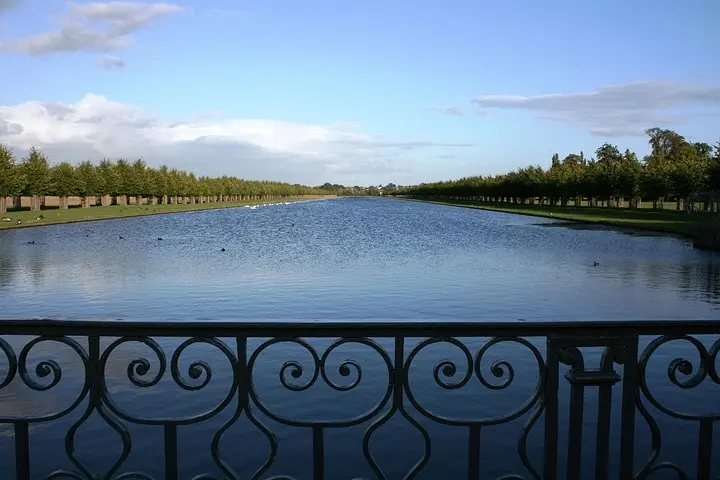
You arrive first at Hampton Court Palace where Tudor red brick and clipped yew present a theatrical welcome; the maze watches like a patient host. Cardinal Wolsey’s original rooms and Henry VIII’s private apartments read as practical drama—statecraft organized around appetite and ceremony. The palace gardens and Great Vine are quiet relics of courtly life modified by later Baroque work from Sir Christopher Wren.
Further west, the stones of Stonehenge silhouette against the sky: sarsens and bluestones that migrated in time and memory, their geology rooted in Ice Age processes and local chalk geology. The arrangement still prompts questions—astronomical alignments, ritual gatherings—and a respectful hush among visitors.
Bath shifts the mood from prehistory to Roman engineering and Georgian order. Hot springs drove the Roman Baths; the thermal waters and the River Avon continue to shape the city’s streets, while Bath Abbey and Pulteney Bridge frame a compact, walkable core.
Practical guidance: the full day runs about 12 hours—expect three roughly 120-minute site stops plus driving and a short lunch break in Bath. Audio guides are provided at major sites; use them to prioritize highlights. Wear comfortable, grippy shoes for gravel at Stonehenge and polished floors at Hampton Court. Layer for variable coastal and chalk-county weather and bring a small daypack for water and camera gear. Mobility access is generally good but check specifics for close access at Stonehenge and timed entry windows. Plan photography quickly—time at each site is limited—and leave room in your schedule to savor a quiet stretch by the River Avon before the return to London.
The total duration is about 12 hours; roughly 2 hours each at Hampton Court, Stonehenge and for the Bath self-guided visit with the remainder taken by driving and a lunch break.
Yes—audio guides are supplied at Hampton Court and Stonehenge; a downloadable Jane Austen self-guided walking map and World Heritage walking map are provided for Bath.
The tour and transport are described as wheelchair accessible, but access to certain areas—especially close access at Stonehenge—may be limited; contact the operator to confirm specific needs before booking.
Lunch is not included; there’s time to buy lunch in Bath where multiple cafés and pubs sit close to the Roman Baths and Abbey.
My Dream Destinations operates guided outdoor trips and adventures with an emphasis on safety, stewardship, and memorable experiences.
The minivan peels away from London before dawn and the city’s hard edges soften into hedgerows and rolling chalk downland.
The minivan peels away from London before dawn and the city’s hard edges soften into hedgerows and rolling chalk downland.
You arrive first at Hampton Court Palace where Tudor red brick and clipped yew present a theatrical welcome; the maze watches like a patient host. Cardinal Wolsey’s original rooms and Henry VIII’s private apartments read as practical drama—statecraft organized around appetite and ceremony. The palace gardens and Great Vine are quiet relics of courtly life modified by later Baroque work from Sir Christopher Wren.
Further west, the stones of Stonehenge silhouette against the sky: sarsens and bluestones that migrated in time and memory, their geology rooted in Ice Age processes and local chalk geology. The arrangement still prompts questions—astronomical alignments, ritual gatherings—and a respectful hush among visitors.
Bath shifts the mood from prehistory to Roman engineering and Georgian order. Hot springs drove the Roman Baths; the thermal waters and the River Avon continue to shape the city’s streets, while Bath Abbey and Pulteney Bridge frame a compact, walkable core.
Practical guidance: the full day runs about 12 hours—expect three roughly 120-minute site stops plus driving and a short lunch break in Bath. Audio guides are provided at major sites; use them to prioritize highlights. Wear comfortable, grippy shoes for gravel at Stonehenge and polished floors at Hampton Court. Layer for variable coastal and chalk-county weather and bring a small daypack for water and camera gear. Mobility access is generally good but check specifics for close access at Stonehenge and timed entry windows. Plan photography quickly—time at each site is limited—and leave room in your schedule to savor a quiet stretch by the River Avon before the return to London.