THE ADVENTURE COLLECTIVE® · Independent discovery and booking for outdoor travel

Drive the iconic Road to Hana with a local, family-run operator and spend a full day exploring rainbow eucalyptus, black sand beaches, lava tubes, and waterfall swims. This guided tour blends cultural context with practical pacing—ideal for travelers who want an immersive, no-driving-required Hana experience.
Drive the iconic Road to Hana with a local, family-run operator and spend a full day exploring rainbow eucalyptus, black sand beaches, lava tubes, and waterfall swims. This guided tour blends cultural context with practical pacing—ideal for travelers who want an immersive, no-driving-required Hana experience.
Before the sun has fully lit the west-facing reefs, the minivan eases onto Hana Highway and the island exhales. Breathable mist clings to the windows as eucalyptus trunks streak by in paint-like bands of red and green. On a day with Hana and Beyond, the road is more than asphalt; it’s a living narrative—every hairpin reveals a waterfall, a banana-stand stop, a lava-scarred cove. The tour moves at the rhythm of the island: slow, observant, and generous.
Verified experiences and guided adventures in the surrounding area.
Operated by Hana and Beyond · Hana, Hawaii
Before the sun has fully lit the west-facing reefs, the minivan eases onto Hana Highway and the island exhales. Breathable mist clings to the windows as eucalyptus trunks streak by in paint-like bands of red and green. On a day with Hana and Beyond, the road is more than asphalt; it’s a living narrative—every hairpin reveals a waterfall, a banana-stand stop, a lava-scarred cove. The tour moves at the rhythm of the island: slow, observant, and generous.
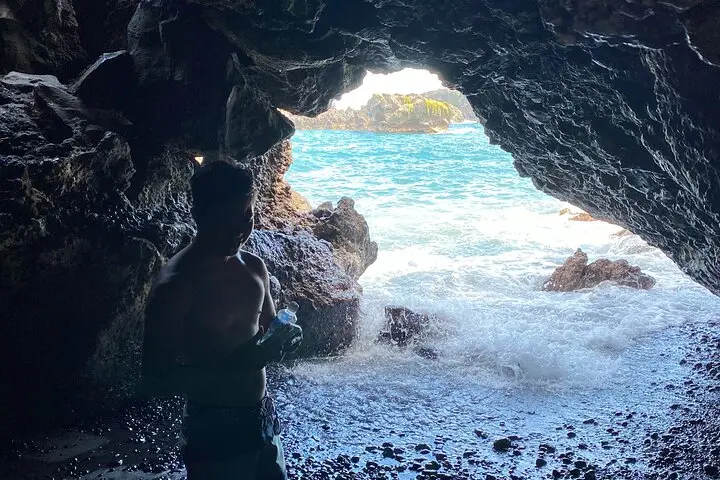
Geology here reads like a layered field guide. Volcanic basalt beds sculpt the coastline into jagged peninsulas; black sand beaches at Waiʻānapanapa State Park are the result of centuries of basaltic lava grinding against surf. The rainforest that frames much of the drive is young in geological terms but dense with cultural memory—loʻi terraces, ancient trail markers, and stories of the Hawaiian aliʻi (chiefs) who once used these valleys. Locally owned operators like Hāna and Beyond fold that heritage into the day: stops for rainbow eucalyptus, banana bread at the Halfway to Hana stand, and a respectful introduction to Hana’s small-town rhythms.
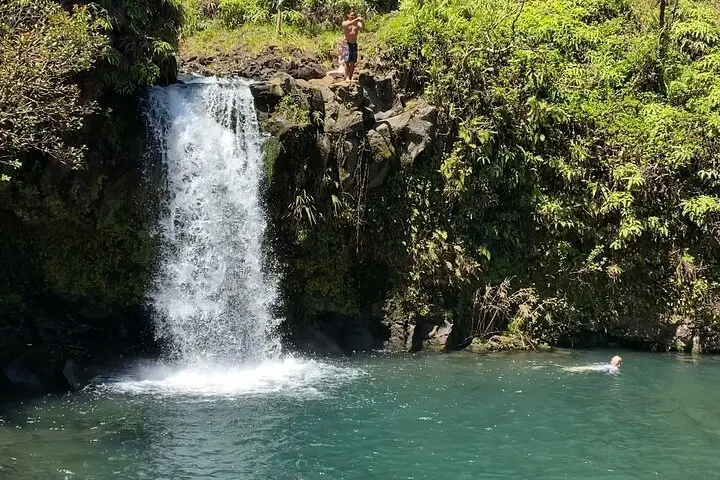
On the practical side, this is a full-day commitment—expect a 9–10 hour round trip with many short, accessible walks rather than long hikes. The itinerary typically includes restroom and coffee breaks, panoramic overlooks at Keanae and Wailua valleys, a 60-minute visit to the black sand beach (with access to a lava tube), and a supervised waterfall swimming option when conditions allow. Terrain ranges from paved parking areas and compacted trails to uneven lava-rock edges and slippery beach approaches; footwear with grip matters.
Bring a swimsuit and towel for the waterfall or beach, but treat ocean swimming cautiously—the currents near Hana can be powerful. Hydrate throughout the day; bottled water and deli-style lunch are included, but packing extra water and a light daypack makes moving between stops easier. Respect private property and local cultural sites—Hana’s communities are small and access is often fragile.
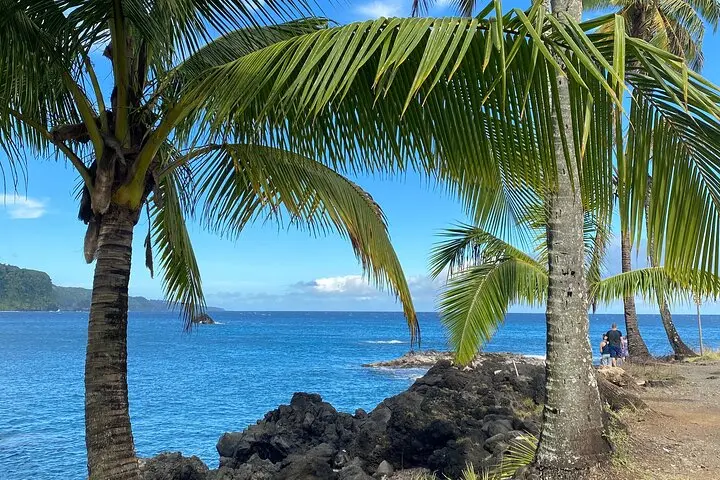
Photography here rewards patience: misty cliffs, the multicolored bark of eucalyptus, and the contrast between black sand and turquoise surf. The route is seasonal—showers are frequent; a light rain jacket doubles as wind protection. If you want a quieter experience, travel in shoulder seasons and book early: Hana’s charm is in part its remoteness, and local operators limit group sizes to keep visits personal. By day’s end you’ll have collected more than photos: a clearer sense of Maui’s eastern spine, the island’s geological history, and the cultural threads that make Hana feel like a place you didn’t just visit—you were permitted to enter.
The tour is about 9–10 hours and includes hotel pickup (from listed hotels), bottled water, snacks, a deli sub lunch, parking fees, and guided stops at lookouts, the black sand beach, and waterfall swim (weather permitting).
Swimming is offered when conditions are safe; guides will advise. Ocean currents can be dangerous—only enter where supervised and avoid rough surf.
The tour is family-friendly, but it involves short uneven walks and vehicle time; it’s not recommended for those with serious spinal or cardiovascular issues. Infant seats are available on request.
Bring small cash for optional purchases at roadside stands (banana bread, souvenirs) though major stops on the tour typically accept cards or included items are provided.
Pack a swimsuit, towel, sturdy shoes, light rain jacket, reef-safe sunscreen, insect repellent, camera, and any personal medications.
Full refunds are available if you cancel at least 24 hours before departure; tours may be canceled for bad weather with refunds per the supplier policy.
Hana and Beyond operates guided outdoor trips and adventures with an emphasis on safety, stewardship, and memorable experiences.

Before the sun has fully lit the west-facing reefs, the minivan eases onto Hana Highway and the island exhales. Breathable mist clings to the windows as eucalyptus trunks streak by in paint-like bands of red and green. On a day with Hana and Beyond, the road is more than asphalt; it’s a living narrative—every hairpin reveals a waterfall, a banana-stand stop, a lava-scarred cove. The tour moves at the rhythm of the island: slow, observant, and generous.
Before the sun has fully lit the west-facing reefs, the minivan eases onto Hana Highway and the island exhales. Breathable mist clings to the windows as eucalyptus trunks streak by in paint-like bands of red and green. On a day with Hana and Beyond, the road is more than asphalt; it’s a living narrative—every hairpin reveals a waterfall, a banana-stand stop, a lava-scarred cove. The tour moves at the rhythm of the island: slow, observant, and generous.
Geology here reads like a layered field guide. Volcanic basalt beds sculpt the coastline into jagged peninsulas; black sand beaches at Waiʻānapanapa State Park are the result of centuries of basaltic lava grinding against surf. The rainforest that frames much of the drive is young in geological terms but dense with cultural memory—loʻi terraces, ancient trail markers, and stories of the Hawaiian aliʻi (chiefs) who once used these valleys. Locally owned operators like Hāna and Beyond fold that heritage into the day: stops for rainbow eucalyptus, banana bread at the Halfway to Hana stand, and a respectful introduction to Hana’s small-town rhythms.
On the practical side, this is a full-day commitment—expect a 9–10 hour round trip with many short, accessible walks rather than long hikes. The itinerary typically includes restroom and coffee breaks, panoramic overlooks at Keanae and Wailua valleys, a 60-minute visit to the black sand beach (with access to a lava tube), and a supervised waterfall swimming option when conditions allow. Terrain ranges from paved parking areas and compacted trails to uneven lava-rock edges and slippery beach approaches; footwear with grip matters.
Bring a swimsuit and towel for the waterfall or beach, but treat ocean swimming cautiously—the currents near Hana can be powerful. Hydrate throughout the day; bottled water and deli-style lunch are included, but packing extra water and a light daypack makes moving between stops easier. Respect private property and local cultural sites—Hana’s communities are small and access is often fragile.
Photography here rewards patience: misty cliffs, the multicolored bark of eucalyptus, and the contrast between black sand and turquoise surf. The route is seasonal—showers are frequent; a light rain jacket doubles as wind protection. If you want a quieter experience, travel in shoulder seasons and book early: Hana’s charm is in part its remoteness, and local operators limit group sizes to keep visits personal. By day’s end you’ll have collected more than photos: a clearer sense of Maui’s eastern spine, the island’s geological history, and the cultural threads that make Hana feel like a place you didn’t just visit—you were permitted to enter.