THE ADVENTURE COLLECTIVE® · Independent discovery and booking for outdoor travel

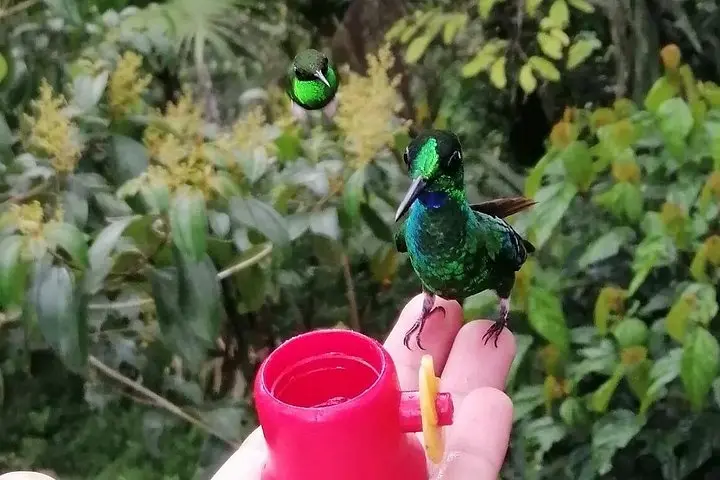
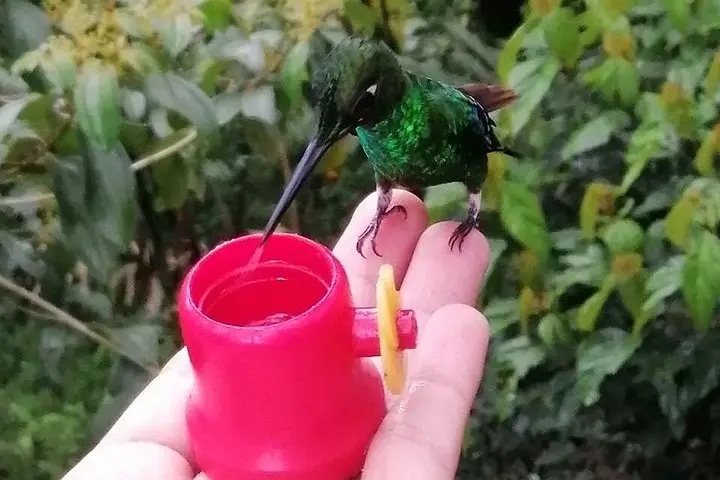
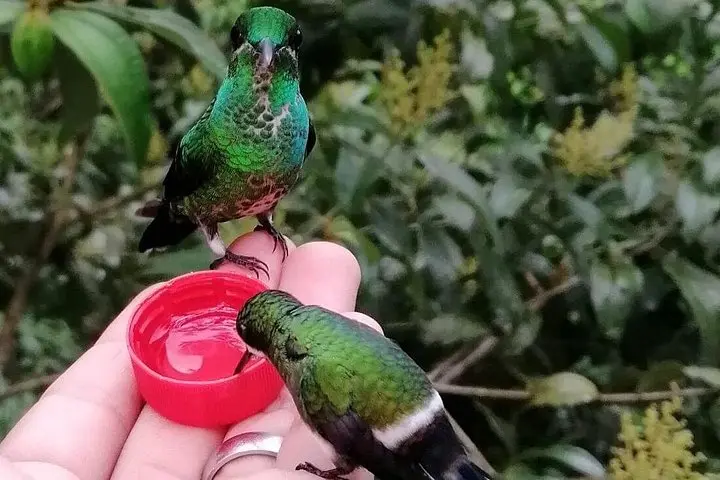
Hold out your hand and watch hummingbirds sip sugar-water inches from your fingers in Mindo’s cloud forest. This short, family-friendly experience pairs close wildlife encounters with easy trails and local ecotourism—perfect for photographers and nature lovers.
Hold out your hand and watch hummingbirds sip sugar-water inches from your fingers in Mindo’s cloud forest. This short, family-friendly experience pairs close wildlife encounters with easy trails and local ecotourism—perfect for photographers and nature lovers.
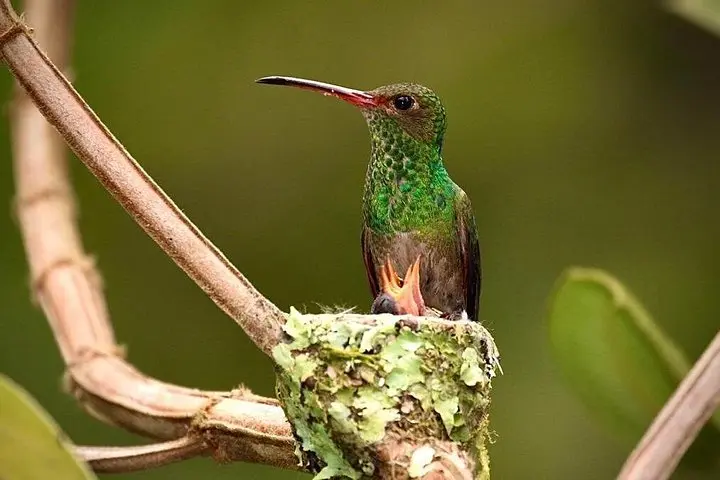
A thin trail of leaves leads you under a humid canopy; the air vibrates with wings so close you can hear the shiver. In Mindo, a small cloud-forest reserve west of Quito, feeders hung at shoulder height draw a riot of color—tiny visitors that dart, hover, and sip from your outstretched palm. The moment compresses: rapid heartbeats, faster wingbeats, and light you can watch refract off iridescent throats.
Verified experiences and guided adventures in the surrounding area.
Operated by Agencia Llona · Mindo, Pichincha
A thin trail of leaves leads you under a humid canopy; the air vibrates with wings so close you can hear the shiver. In Mindo, a small cloud-forest reserve west of Quito, feeders hung at shoulder height draw a riot of color—tiny visitors that dart, hover, and sip from your outstretched palm. The moment compresses: rapid heartbeats, faster wingbeats, and light you can watch refract off iridescent throats.
Mindo sits on the western slopes of the Andes where volcanic soils and persistent moisture create cloud forest habitat. The area’s cultural identity is built on agriculture and ecotourism—families run small lodges and butterfly and chocolate farms that grew alongside conservation efforts in the late 20th century. Geologically, the slopes here are young; erosion and uplift have carved steep ravines and terraced farmland that frame riparian corridors hummingbirds favor.
This activity is short and accessible: trained staff provide sugar-water feeders and teach safe hand-feeding techniques; you’ll likely see a dozen or more species common to the reserve, including jacobins, sylphs and emeralds. Photography is close-range—use a fast shutter and a steady hand. Expect damp air, soft trails, and the option to extend your visit with short walks, hammocks, or guided birding.
Practical tips: arrive early for cooler light and more active birds, wear muted clothing, bring insect repellent and a lightweight rain layer, and keep movement slow while feeding. The experience is family-friendly and low-impact—observe staff guidance to protect both birds and visitors and leave no trace of food or litter behind.
Yes—trained feeders use sugar-water that attracts hummingbirds accustomed to close human presence; staff will coach you on correct posture and feeding technique.
Yes—children can participate but infants should sit on an adult’s lap; staff supervise feeding and maintain safe distances for little ones.
Photography is encouraged, but avoid flash which can startle birds and alter their behavior; use fast shutter speeds and natural light instead.
The site is in a cloud forest and can remain open in light rain; heavy weather may affect bird activity—check cancellation policy and bring waterproof gear.
Agencia Llona operates guided outdoor trips and adventures with an emphasis on safety, stewardship, and memorable experiences.
A thin trail of leaves leads you under a humid canopy; the air vibrates with wings so close you can hear the shiver. In Mindo, a small cloud-forest reserve west of Quito, feeders hung at shoulder height draw a riot of color—tiny visitors that dart, hover, and sip from your outstretched palm. The moment compresses: rapid heartbeats, faster wingbeats, and light you can watch refract off iridescent throats.
A thin trail of leaves leads you under a humid canopy; the air vibrates with wings so close you can hear the shiver. In Mindo, a small cloud-forest reserve west of Quito, feeders hung at shoulder height draw a riot of color—tiny visitors that dart, hover, and sip from your outstretched palm. The moment compresses: rapid heartbeats, faster wingbeats, and light you can watch refract off iridescent throats.
Mindo sits on the western slopes of the Andes where volcanic soils and persistent moisture create cloud forest habitat. The area’s cultural identity is built on agriculture and ecotourism—families run small lodges and butterfly and chocolate farms that grew alongside conservation efforts in the late 20th century. Geologically, the slopes here are young; erosion and uplift have carved steep ravines and terraced farmland that frame riparian corridors hummingbirds favor.
This activity is short and accessible: trained staff provide sugar-water feeders and teach safe hand-feeding techniques; you’ll likely see a dozen or more species common to the reserve, including jacobins, sylphs and emeralds. Photography is close-range—use a fast shutter and a steady hand. Expect damp air, soft trails, and the option to extend your visit with short walks, hammocks, or guided birding.
Practical tips: arrive early for cooler light and more active birds, wear muted clothing, bring insect repellent and a lightweight rain layer, and keep movement slow while feeding. The experience is family-friendly and low-impact—observe staff guidance to protect both birds and visitors and leave no trace of food or litter behind.