THE ADVENTURE COLLECTIVE® · Independent discovery and booking for outdoor travel

Turn a 19-year-old starter into fresh pasta in this hands-on Scottsdale workshop. Learn kneading, resting, rolling and a simple sauce, then share the meal you made.
Turn a 19-year-old starter into fresh pasta in this hands-on Scottsdale workshop. Learn kneading, resting, rolling and a simple sauce, then share the meal you made.
The classroom smells of warm flour and slow fermentation: a small group gathers around a worktable while a 19-year-old sourdough starter hums quietly in a jar, its tangy history folded into the dough you'll press, shape, and cook.
Verified experiences and guided adventures in the surrounding area.
Operated by Sourdough & Smiles · Scottsdale, Arizona
The classroom smells of warm flour and slow fermentation: a small group gathers around a worktable while a 19-year-old sourdough starter hums quietly in a jar, its tangy history folded into the dough you'll press, shape, and cook.
This Scottsdale workshop sits at the intersection of Old World technique and Sonoran food culture. Arizona’s desert climate shaped local ingredients and mealtime rhythms, and class hosts often pair traditional Italian technique with regional produce — olive oil from local presses, eggs from nearby farms, citrus notes in a simple sauce.
Geologically, the nearby McDowell Mountains and the Sonoran Basin mean a dry climate that favors long fermentation indoors and a focus on flavorful, hydrated doughs that hold up when cooked fresh. Culturally, the class draws on community-focused cooking: tasting, sharing, and learning hands-on from a single starter that carries a nearly two-decade lineage.
Practical guidance: the session runs about 2.5 hours and includes all ingredients, printed recipes, and a small jar of starter to take home. Expect hands-on kneading, bench-resting and hand-rolling rather than heavy machinery. Arrive ready to wash your hands and tie back hair; the space is wheelchair accessible and family-friendly, but tell the host about allergies or dietary needs when booking. Bring a notebook if you want technique notes, and plan transportation accordingly — summer temperatures mean driving with air conditioning to and from class. By the end, you’ll sit down to eat pasta you made and leave with skills to recreate the process at home.
Yes — all flour, eggs, starter, tools, and a cooked pasta meal are included in the price.
Absolutely — no prior pasta or sourdough experience is required; instruction is hands-on and guided.
Notify the host at booking; many classes can accommodate dietary needs but cross-contact with gluten and eggs is likely.
Yes — the workshop includes a small jar of the host’s starter and written feeding instructions so you can maintain it at home.
Sourdough & Smiles operates guided outdoor trips and adventures with an emphasis on safety, stewardship, and memorable experiences.
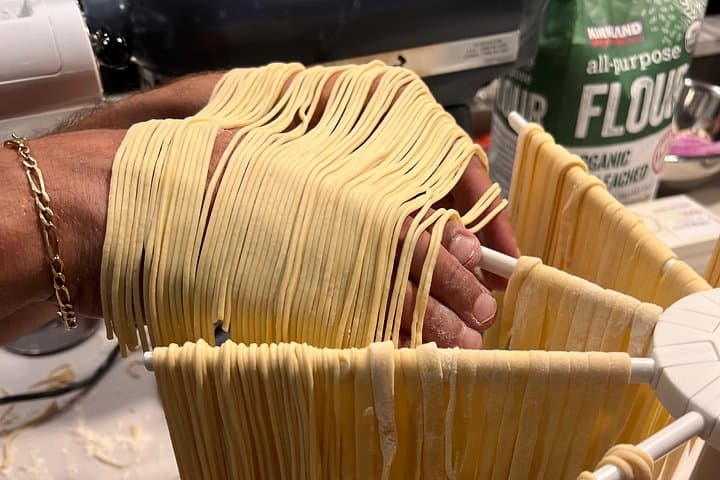
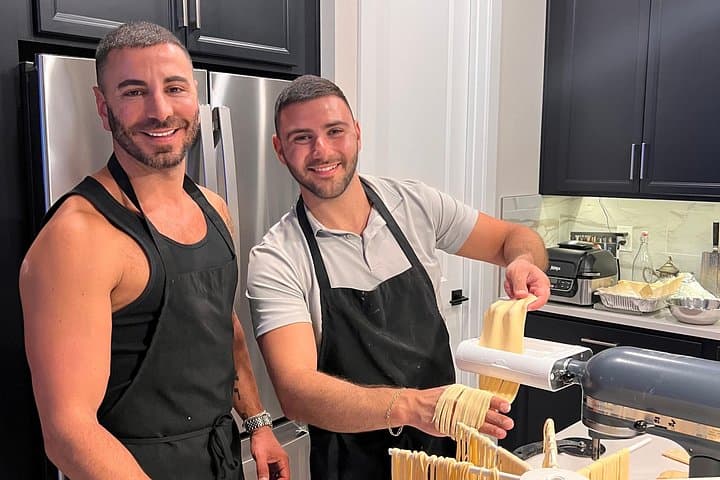
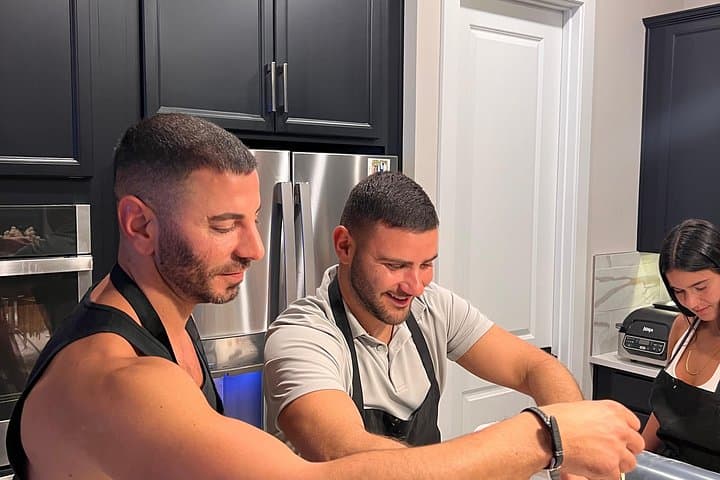
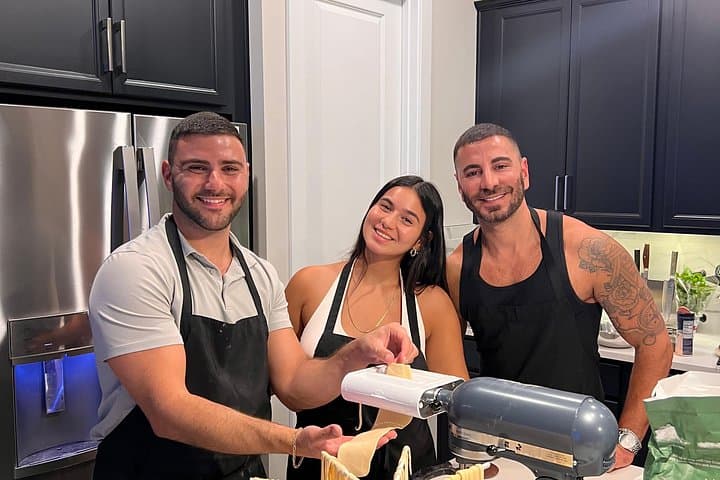
The classroom smells of warm flour and slow fermentation: a small group gathers around a worktable while a 19-year-old sourdough starter hums quietly in a jar, its tangy history folded into the dough you'll press, shape, and cook.
The classroom smells of warm flour and slow fermentation: a small group gathers around a worktable while a 19-year-old sourdough starter hums quietly in a jar, its tangy history folded into the dough you'll press, shape, and cook.
This Scottsdale workshop sits at the intersection of Old World technique and Sonoran food culture. Arizona’s desert climate shaped local ingredients and mealtime rhythms, and class hosts often pair traditional Italian technique with regional produce — olive oil from local presses, eggs from nearby farms, citrus notes in a simple sauce.
Geologically, the nearby McDowell Mountains and the Sonoran Basin mean a dry climate that favors long fermentation indoors and a focus on flavorful, hydrated doughs that hold up when cooked fresh. Culturally, the class draws on community-focused cooking: tasting, sharing, and learning hands-on from a single starter that carries a nearly two-decade lineage.
Practical guidance: the session runs about 2.5 hours and includes all ingredients, printed recipes, and a small jar of starter to take home. Expect hands-on kneading, bench-resting and hand-rolling rather than heavy machinery. Arrive ready to wash your hands and tie back hair; the space is wheelchair accessible and family-friendly, but tell the host about allergies or dietary needs when booking. Bring a notebook if you want technique notes, and plan transportation accordingly — summer temperatures mean driving with air conditioning to and from class. By the end, you’ll sit down to eat pasta you made and leave with skills to recreate the process at home.