THE ADVENTURE COLLECTIVE® · Independent discovery and booking for outdoor travel

Spend five days digging, processing, and preserving artifacts at Drayton Hall’s Archaeological Institute this November. Work alongside professional archaeologists on an 18th-century foundation and gain hands-on lab experience in one of Charleston’s most important historic collections.
Spend five days digging, processing, and preserving artifacts at Drayton Hall’s Archaeological Institute this November. Work alongside professional archaeologists on an 18th-century foundation and gain hands-on lab experience in one of Charleston’s most important historic collections.
Book with Drayton Hall Preservation Trust
Verified experiences and guided adventures in the surrounding area.
Operated by Drayton Hall Preservation Trust · Charleston, South Carolina
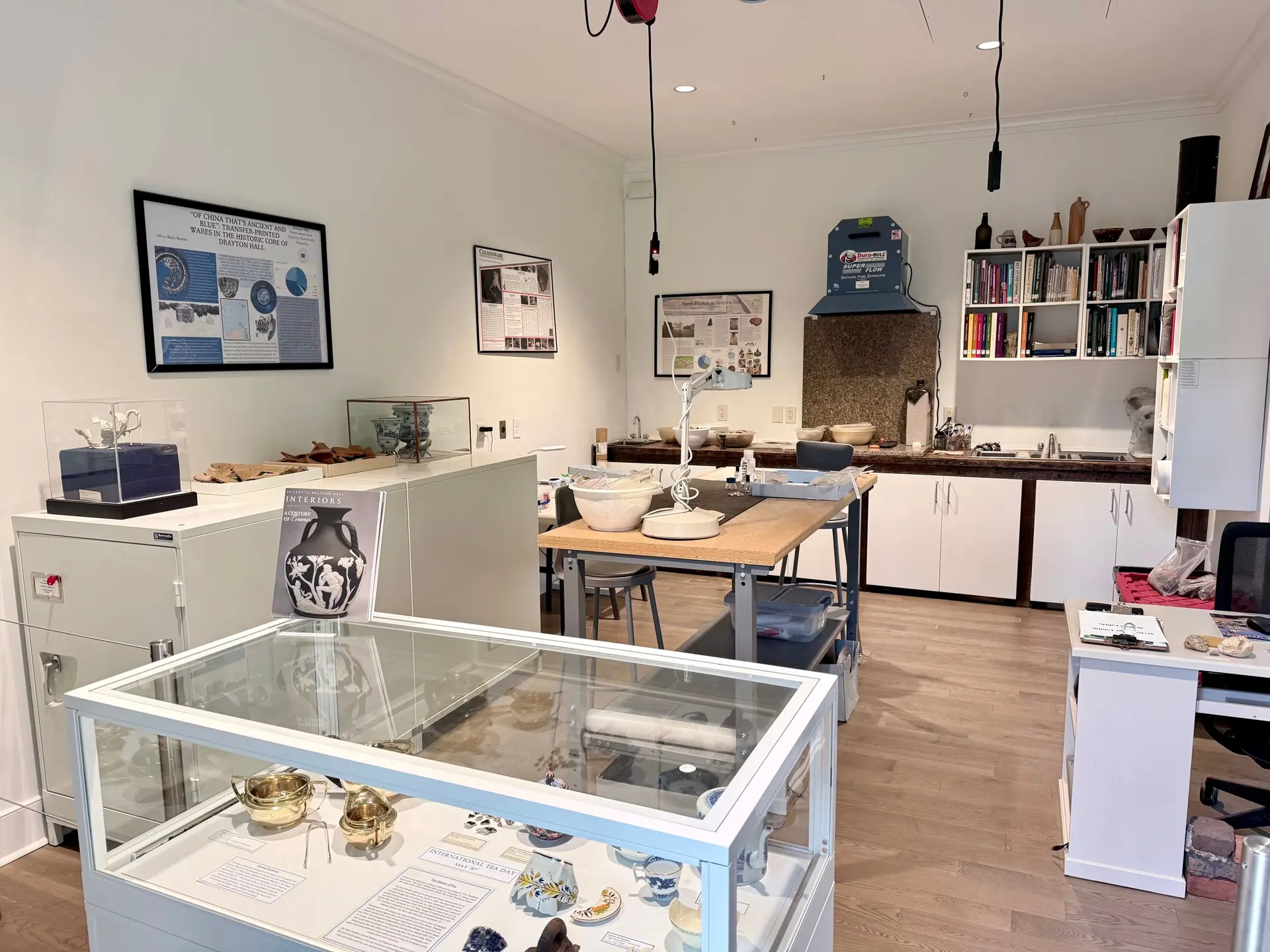
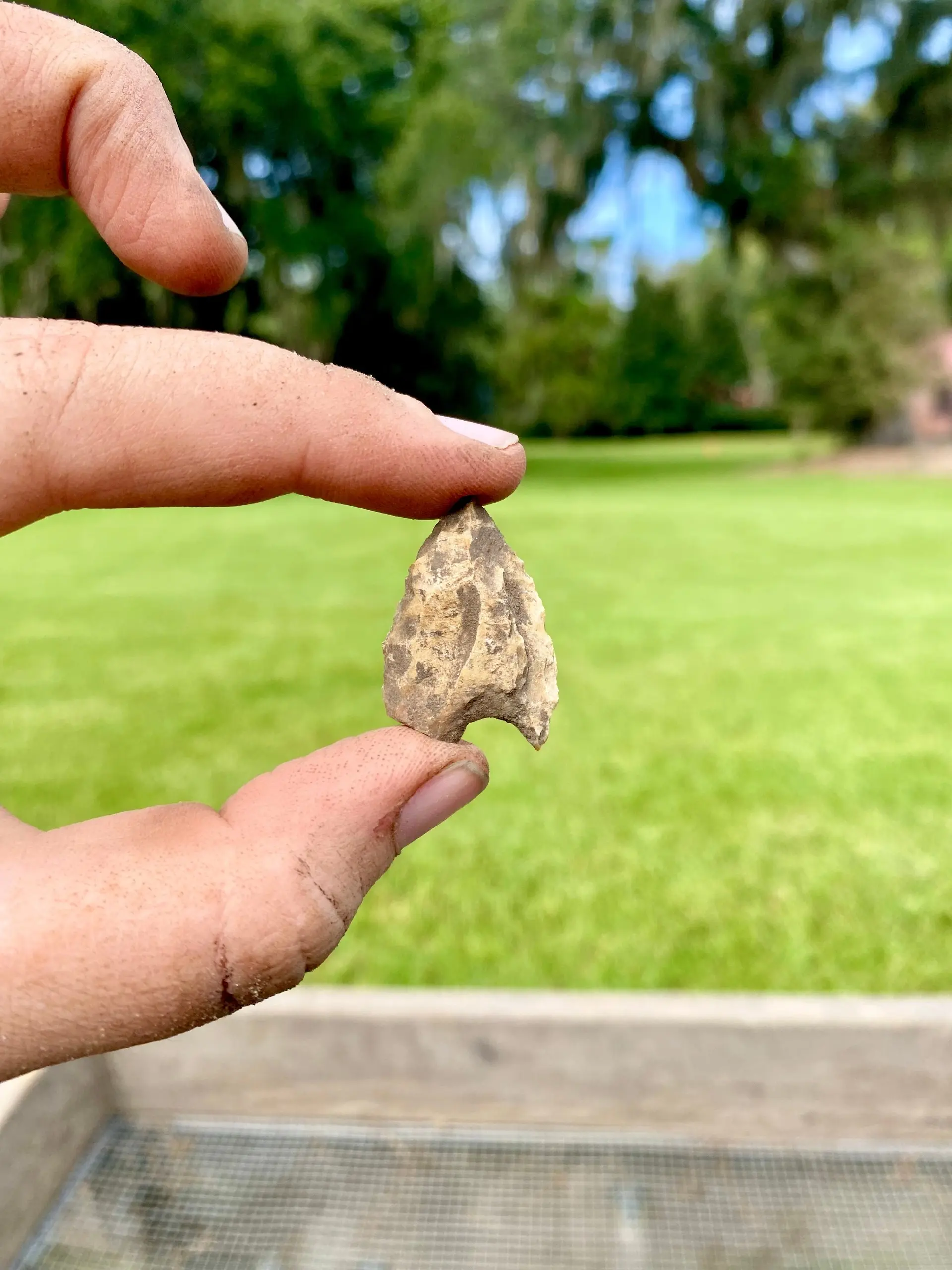
At Drayton Hall Archaeological Institute in Charleston, South Carolina, you trade a museum visit for five days of hands-on historical fieldwork. From November 2–6, 2026, the program runs 10 a.m.–2 p.m. and places participants alongside the site’s archaeologists to excavate an 18th-century building footprint and to process finds in the Stephen J. Wood Conservation Lab. Excavations this season focus on a brick foundation dated to the first generation of Drayton occupation (c.1750) and on several identified Native American features; earlier fieldwork in the historic core has already yielded more than 5,000 artifacts. You’ll learn field methods—stratigraphic recording, context forms, trowel and shovel technique—and rotate into the lab to clean, label, and sort ceramics, glass beads, and metalwork. Expect to handle 18th-century Chinese porcelain, Italian glass beads, German stoneware, and other diagnostic ceramics that reveal trade networks and daily life in colonial South Carolina. Beyond the trenches, the program includes a behind-the-scenes preservation tour of the main house and access to museum collections that contain over one million artifacts—an unusual research resource for a single historic site. This week is part practical training, part public research: students contribute to ongoing scholarship while helping preserve fragile materials under professional supervision. The pace is purposeful but accessible—workdays run four hours, and tasks are scaled for novices and experienced volunteers alike. The program is not an accredited field school; it’s designed for enthusiasts, retirees, graduate students, and professionals seeking applied experience rather than university credit. Participants are responsible for their own lodging and meals, and spaces are limited, so plan ahead. Why book it? Because few places let you move from the shovel to the conservation bench in the same morning, or examine imported Chinese porcelain recovered from colonial strata. It’s a rare chance to see archaeology as both science and preservation—digging, documentation, and interpretation—inside an intact historic landscape. For travelers who prefer active learning to passive sightseeing, this institute transforms Charleston’s past into a place to learn practical skills, ask questions of living experts, and leave a tangible contribution to the site’s record. Beyond the classroom of the trench, the institute is an active node in Charleston’s heritage ecosystem: its fieldwork informs museum displays, site interpretation, and preservation plans that shape public access year-round. Participants return home with practical skills—mapping, soil description, artifact cataloging—and a clearer sense of how everyday objects connect to global trade and enslaved communities who lived on the land. Because the site operates within a protected historic landscape, volunteers are briefed on minimal-impact practices and artifact stewardship before work begins. Arrive prepared for sun, wind, or a crisp November chill; sturdy shoes, a sun hat, and curiosity are best tools.
No; the institute is designed for beginners and experienced volunteers alike—staff provide instruction in excavation and lab procedures.
No; this program is not an accredited field school for university credit.
Yes; basic excavation tools, gloves, and safety briefings are provided by the site.
Sessions run 10 a.m.–2 p.m., November 2–6, 2026, as listed in the program description.
Participants are responsible for their own lodging and meals; the program does not include accommodations.
The program involves trenches and uneven ground; contact the site directly to discuss specific accessibility needs.
Drayton Hall Preservation Trust stewards Drayton Hall, a nationally significant historic property located on the Ashley River in Charleston, South Carolina. The Trust preserves America’s earliest unrestored Palladian house—often described as the nation's oldest preserved plantation house—and interprets its architectural, cultural, and archaeological stories for the public. Programming includes daily and seasonal guided tours such as the one-hour Signature Experience Tour that visits the cellar, main, and second floors and features the Steven and Laura Gates Exhibit Gallery and the Lenhardt Courtyard Garden. Educator-led Student House Tours provide 45–60 minute curriculum-based experiences exploring African American history, architectural preservation, and onsite archaeology. Evening offerings range from Candlelight Tours that illuminate 18th-century spaces to special events like Drayton Hall at Night with live lawn music and archaeological presentations. Seasonal and community events include the popular Annual Deck the Hall Oyster Roast, holiday concerts such as African American Spirituals with Ann Caldwell and The Magnolia Singers, and hands-on workshops like the Wreath Building Workshop led by local florist Lela Solomon. The Trust also collaborates with nearby institutions to offer combination itineraries—for example, joint tours and package days with Middleton Place and Charleston Strolls walking tours—giving visitors economical ways to experience Lowcountry gardens, houses, and historic streets. Interpreters and guides emphasize preservation, authenticity, and historical context. Many ticketed experiences have limited capacity, so visitors are encouraged to book in advance to secure a place. Public programming supports conservation of the house, landscape, and archaeological collections through admission and membership, and community engagement efforts nationwide.
Book with Drayton Hall Preservation Trust