THE ADVENTURE COLLECTIVE® · Independent discovery and booking for outdoor travel

Spend three hours on Terceira learning pottery, painting a tile, watching traditional embroidery, and tasting Azorean coffee. This small-group tour pairs hands-on craft time with local stories about food, geology, and island life.
Spend three hours on Terceira learning pottery, painting a tile, watching traditional embroidery, and tasting Azorean coffee. This small-group tour pairs hands-on craft time with local stories about food, geology, and island life.
The tour begins with the scrape of a wheel and the warm scent of fired clay—hands stain slightly and time slows. Visitors move between family-run workshops where pots are coiled and tiles are pressed, then out to a small coffee and fruit plot for tastings that cut the salt air coming off the Atlantic.
Verified experiences and guided adventures in the surrounding area.
Operated by Sea Adventures · Angra do Heroísmo, Azores
The tour begins with the scrape of a wheel and the warm scent of fired clay—hands stain slightly and time slows. Visitors move between family-run workshops where pots are coiled and tiles are pressed, then out to a small coffee and fruit plot for tastings that cut the salt air coming off the Atlantic.
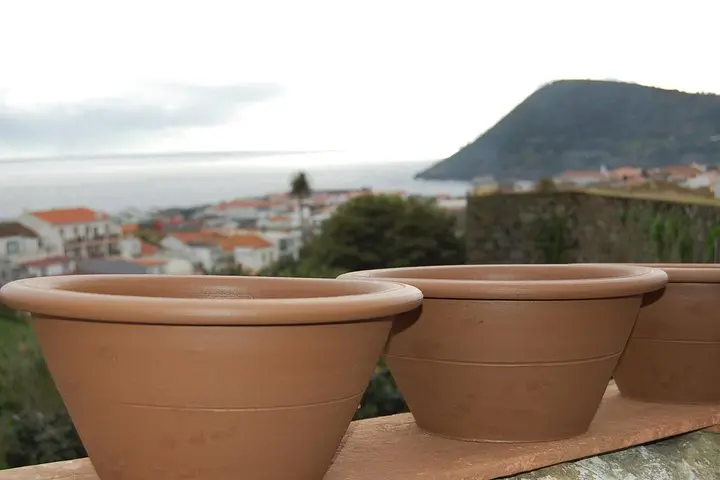
Terceira’s crafts are practical stories: São Bento pottery makes the wide-mouthed pots used for alcatra, a slow-cooked beef dish central to island gatherings. Embroidery here developed as both decoration and local identity; patterns and stitches carry generational memory. Geologically, Terceira is volcanic—its dark soils and basalt outcrops feed small farms and give local ceramics their mineral character. Culturally, Angra do Heroísmo’s UNESCO-listed port shaped trade routes that brought materials and motifs from Europe and Brazil, seeding techniques still practiced today.
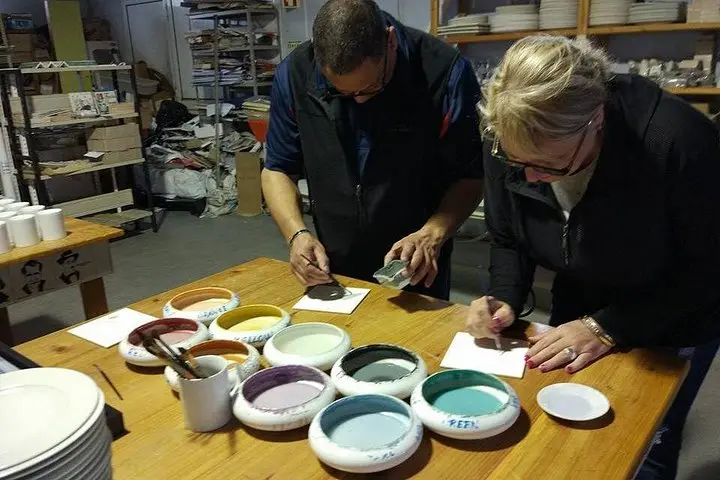
Expect hands-on moments: watch potters shape jugs, try painting a ceramic tile to take home, and sample fresh-brewed Azorean coffee and local fruits. Guides explain techniques and etiquette—ask before photographing production areas and wear clothes you don’t mind getting speckled with clay.
Practicalities: the shared tour runs about three hours, includes hotel pickup in Angra do Heroísmo, and is suitable for most fitness levels. Book ahead—groups are small—and plan for variable Azores weather with a light jacket. Bring a reusable water bottle, comfortable shoes for short walks between sites, and a sense of curiosity: this is as much about meeting makers as it is about the objects they leave behind.
The experience runs approximately three hours and covers multiple small workshops plus a coffee and fruit tasting.
Yes—hotel pickup and drop-off in Angra do Heroísmo is included for booked participants.
Absolutely—sessions are designed for all skill levels and guided by local artisans.
Full refunds are available if you cancel at least 24 hours before the scheduled departure time.
Sea Adventures operates guided outdoor trips and adventures with an emphasis on safety, stewardship, and memorable experiences.
The tour begins with the scrape of a wheel and the warm scent of fired clay—hands stain slightly and time slows. Visitors move between family-run workshops where pots are coiled and tiles are pressed, then out to a small coffee and fruit plot for tastings that cut the salt air coming off the Atlantic.
The tour begins with the scrape of a wheel and the warm scent of fired clay—hands stain slightly and time slows. Visitors move between family-run workshops where pots are coiled and tiles are pressed, then out to a small coffee and fruit plot for tastings that cut the salt air coming off the Atlantic.
Terceira’s crafts are practical stories: São Bento pottery makes the wide-mouthed pots used for alcatra, a slow-cooked beef dish central to island gatherings. Embroidery here developed as both decoration and local identity; patterns and stitches carry generational memory. Geologically, Terceira is volcanic—its dark soils and basalt outcrops feed small farms and give local ceramics their mineral character. Culturally, Angra do Heroísmo’s UNESCO-listed port shaped trade routes that brought materials and motifs from Europe and Brazil, seeding techniques still practiced today.
Expect hands-on moments: watch potters shape jugs, try painting a ceramic tile to take home, and sample fresh-brewed Azorean coffee and local fruits. Guides explain techniques and etiquette—ask before photographing production areas and wear clothes you don’t mind getting speckled with clay.
Practicalities: the shared tour runs about three hours, includes hotel pickup in Angra do Heroísmo, and is suitable for most fitness levels. Book ahead—groups are small—and plan for variable Azores weather with a light jacket. Bring a reusable water bottle, comfortable shoes for short walks between sites, and a sense of curiosity: this is as much about meeting makers as it is about the objects they leave behind.