THE ADVENTURE COLLECTIVE® · Independent discovery and booking for outdoor travel

Spend a hands-on half-day in Accra learning batik dyeing, trying Kente weaving, and browsing the bustling Art Centre market. Expect close instruction, a market full of handmade crafts, and practical tips for bargaining and dye-safe clothing.
Spend a hands-on half-day in Accra learning batik dyeing, trying Kente weaving, and browsing the bustling Art Centre market. Expect close instruction, a market full of handmade crafts, and practical tips for bargaining and dye-safe clothing.
You arrive in a sun-warmed courtyard in greater Accra, the air bright with dye and the steady rhythm of looms. Fabrics hang like flags of labor and history; an instructor guides your hand as wax meets cloth and threads are coaxed over a shuttle. The city’s coastal humidity presses gently against the market’s shade, and the Gulf of Guinea seems to push its own slow tide of trade toward the stalls.
Verified experiences and guided adventures in the surrounding area.
Operated by Tasty Cultural Travel · Accra, Greater Accra Region
You arrive in a sun-warmed courtyard in greater Accra, the air bright with dye and the steady rhythm of looms. Fabrics hang like flags of labor and history; an instructor guides your hand as wax meets cloth and threads are coaxed over a shuttle. The city’s coastal humidity presses gently against the market’s shade, and the Gulf of Guinea seems to push its own slow tide of trade toward the stalls.
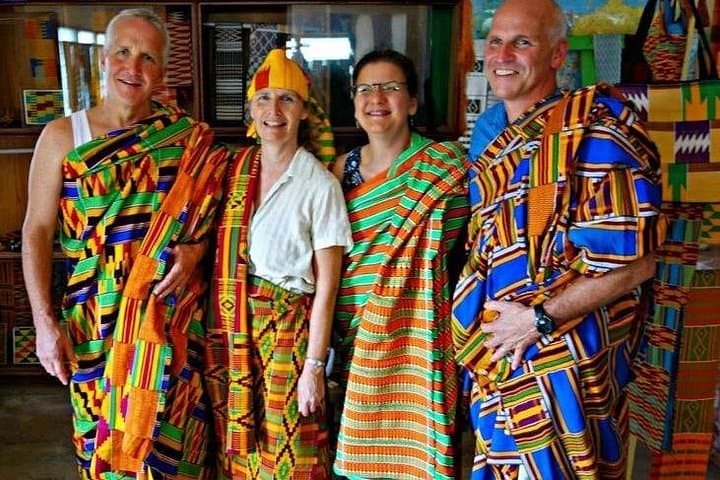
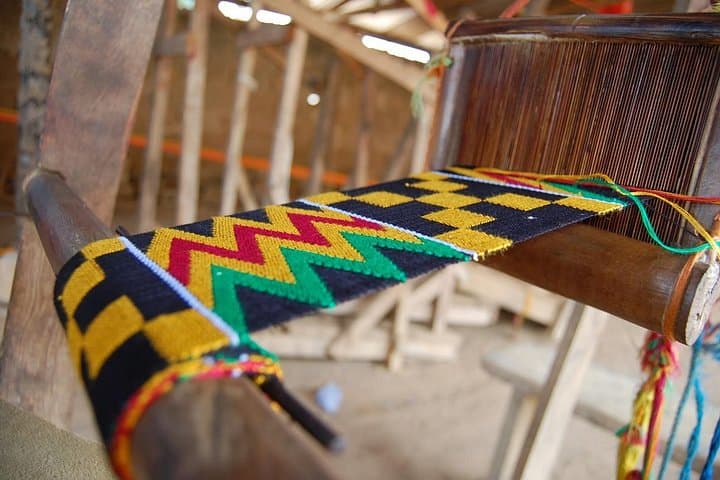
This half-day experience moves between Madina’s batik studios and a traditional Kente workshop before a walk through Accra’s Art Centre market. Batik in Ghana blends West African dyeing traditions with methods introduced through centuries of trade; Kente weaving carries Akan symbolism stitched into centuries-old patterns. The geology here is coastal plain—red lateritic soils and low relief—so cultural life developed along easy footpaths and shoreline trade routes rather than mountain passes.
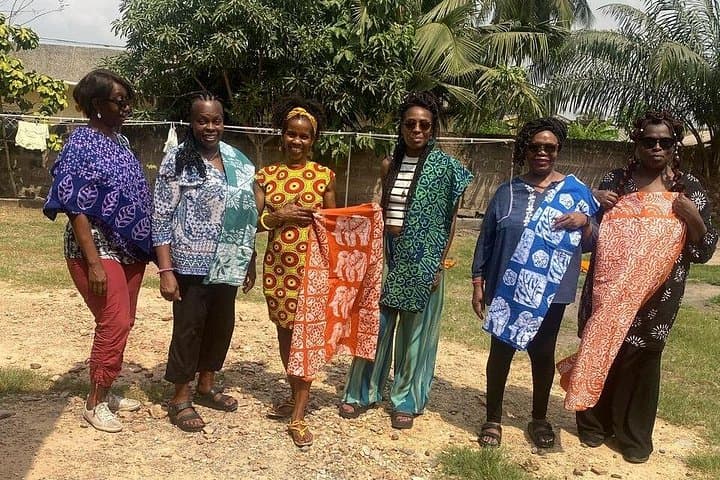
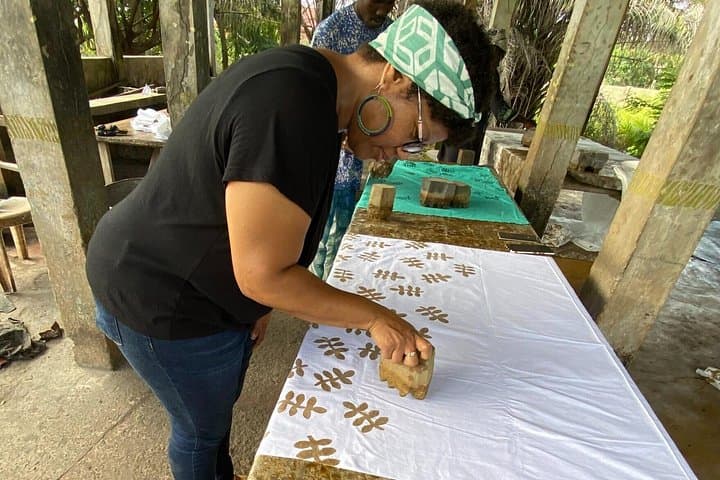
Expect close instruction: you’ll print and resist-dye cloth, sit at a loom, and practice basic motifs. Guides explain color meanings and the communal role of weavers, and the market offers handcrafted beads, carved stools, and textiles to inspect and buy.
Practical guidance: wear breathable clothes you don’t mind getting speckled with dye, bring cash for bargaining, and plan for five hours with short walking intervals and seated craft stations. Hydrate—the sun is real—and allow extra time for photos and bargaining. This is an active cultural immersion designed for participants of all fitness levels who want tactile access to Ghanaian textile traditions.
No — instructors guide beginners through batik techniques and basic loom use; the experience is designed for novices.
Yes — venues and transportation options are described as wheelchair accessible, but check specifics when booking to arrange assistance.
No — market purchases and souvenirs are extra; bring cash for bargaining and small purchases.
Guides commonly speak English in Accra’s tourist workshops; local language explanations may also be offered.
Tasty Cultural Travel operates guided outdoor trips and adventures with an emphasis on safety, stewardship, and memorable experiences.
You arrive in a sun-warmed courtyard in greater Accra, the air bright with dye and the steady rhythm of looms. Fabrics hang like flags of labor and history; an instructor guides your hand as wax meets cloth and threads are coaxed over a shuttle. The city’s coastal humidity presses gently against the market’s shade, and the Gulf of Guinea seems to push its own slow tide of trade toward the stalls.
You arrive in a sun-warmed courtyard in greater Accra, the air bright with dye and the steady rhythm of looms. Fabrics hang like flags of labor and history; an instructor guides your hand as wax meets cloth and threads are coaxed over a shuttle. The city’s coastal humidity presses gently against the market’s shade, and the Gulf of Guinea seems to push its own slow tide of trade toward the stalls.
This half-day experience moves between Madina’s batik studios and a traditional Kente workshop before a walk through Accra’s Art Centre market. Batik in Ghana blends West African dyeing traditions with methods introduced through centuries of trade; Kente weaving carries Akan symbolism stitched into centuries-old patterns. The geology here is coastal plain—red lateritic soils and low relief—so cultural life developed along easy footpaths and shoreline trade routes rather than mountain passes.
Expect close instruction: you’ll print and resist-dye cloth, sit at a loom, and practice basic motifs. Guides explain color meanings and the communal role of weavers, and the market offers handcrafted beads, carved stools, and textiles to inspect and buy.
Practical guidance: wear breathable clothes you don’t mind getting speckled with dye, bring cash for bargaining, and plan for five hours with short walking intervals and seated craft stations. Hydrate—the sun is real—and allow extra time for photos and bargaining. This is an active cultural immersion designed for participants of all fitness levels who want tactile access to Ghanaian textile traditions.