THE ADVENTURE COLLECTIVE® · Independent discovery and booking for outdoor travel

Learn to make dark and light roux, gumbo and bananas foster in a small-group French Quarter kitchen. This hands-on class combines culinary technique with local history and a shared meal at the end.
Learn to make dark and light roux, gumbo and bananas foster in a small-group French Quarter kitchen. This hands-on class combines culinary technique with local history and a shared meal at the end.
You step through a painted iron gate into a ground-floor kitchen where the smell of sautéed onions and smoky sausage already fills the air. Copper pans chatter, chefs call out like bandleaders, and the French Quarter hums beyond the windows — a city of streetcars and river-borne humidity that insists on flavor.
Verified experiences and guided adventures in the surrounding area.
Operated by The Mardi Gras School of Cooking · New Orleans, Louisiana
You step through a painted iron gate into a ground-floor kitchen where the smell of sautéed onions and smoky sausage already fills the air. Copper pans chatter, chefs call out like bandleaders, and the French Quarter hums beyond the windows — a city of streetcars and river-borne humidity that insists on flavor.
This three-hour class traces the practical lineage of Creole and Cajun cooking: French techniques folded into West African, Spanish and Native American ingredients, all refined along the Mississippi Delta’s abundant estuaries. You’ll learn the “holy trinity” of onion, bell pepper and celery, the chemistry of a dark roux versus a light roux, and why gumbo’s depth comes from patience as much as heat.
Cultural context is part of the lesson — New Orleans’ kitchens evolved around local seafood, cured pork, and the markets of the Quarter. Geology matters too: the river’s silt and Gulf fisheries shaped what the city eats, from shrimp étouffée to banana-forward desserts.
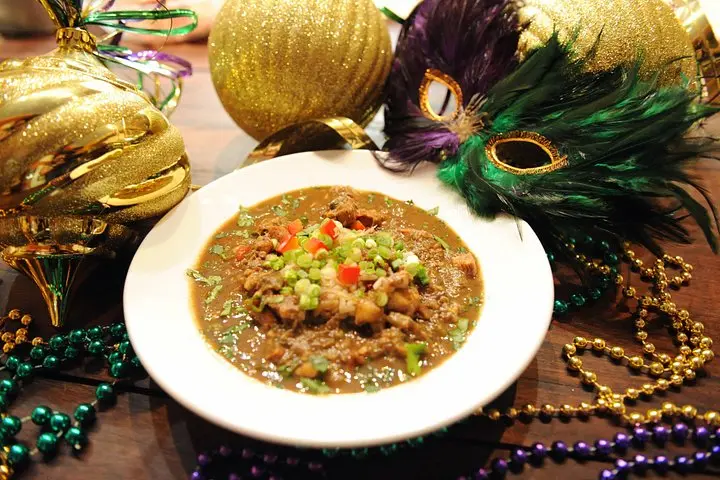
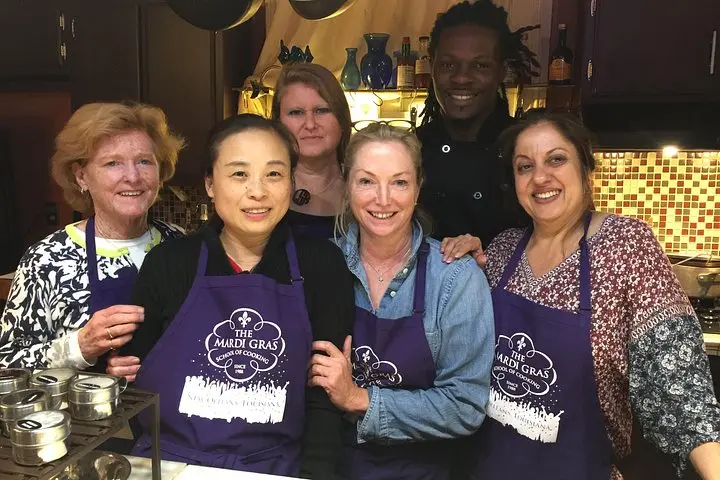
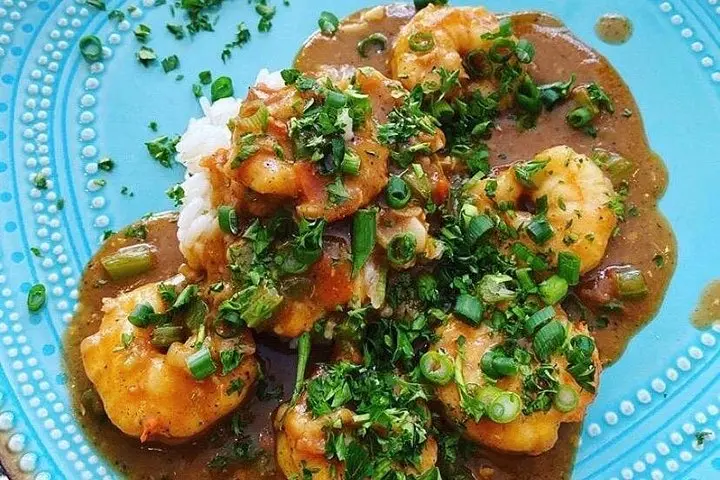
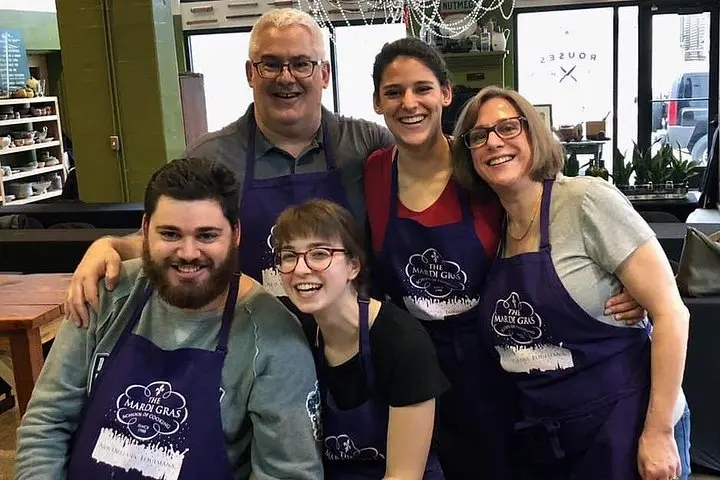
Expect hands-on knife work, small-group instruction, and a measured pace that balances demo with practice. You’ll plate a classic chicken-and-andouille gumbo, shrimp étouffée, and finish with flambéed Bananas Foster. The class includes wine and dinner; it’s accessible to beginners but rewarding for home cooks.
Practical tips: arrive with closed-toe shoes, bring questions about substitutions for local shellfish, and plan transport back to your hotel — the Quarter is lively late. This is a cooking class as a cultural crash course: active, sensory, and distinctly New Orleans.
Yes — instruction is hands-on with demonstrations; chefs guide basic knife skills and roux techniques for newcomers.
Yes — the class includes wine, bottled water and soft drinks along with the plated dinner.
Inform the operator at booking; they can advise on substitutions but some dishes use shellfish and pork.
Full refund available if you cancel at least 24 hours before the scheduled start time.
The Mardi Gras School of Cooking operates guided outdoor trips and adventures with an emphasis on safety, stewardship, and memorable experiences.
You step through a painted iron gate into a ground-floor kitchen where the smell of sautéed onions and smoky sausage already fills the air. Copper pans chatter, chefs call out like bandleaders, and the French Quarter hums beyond the windows — a city of streetcars and river-borne humidity that insists on flavor.
You step through a painted iron gate into a ground-floor kitchen where the smell of sautéed onions and smoky sausage already fills the air. Copper pans chatter, chefs call out like bandleaders, and the French Quarter hums beyond the windows — a city of streetcars and river-borne humidity that insists on flavor.
This three-hour class traces the practical lineage of Creole and Cajun cooking: French techniques folded into West African, Spanish and Native American ingredients, all refined along the Mississippi Delta’s abundant estuaries. You’ll learn the “holy trinity” of onion, bell pepper and celery, the chemistry of a dark roux versus a light roux, and why gumbo’s depth comes from patience as much as heat.
Cultural context is part of the lesson — New Orleans’ kitchens evolved around local seafood, cured pork, and the markets of the Quarter. Geology matters too: the river’s silt and Gulf fisheries shaped what the city eats, from shrimp étouffée to banana-forward desserts.
Expect hands-on knife work, small-group instruction, and a measured pace that balances demo with practice. You’ll plate a classic chicken-and-andouille gumbo, shrimp étouffée, and finish with flambéed Bananas Foster. The class includes wine and dinner; it’s accessible to beginners but rewarding for home cooks.
Practical tips: arrive with closed-toe shoes, bring questions about substitutions for local shellfish, and plan transport back to your hotel — the Quarter is lively late. This is a cooking class as a cultural crash course: active, sensory, and distinctly New Orleans.