THE ADVENTURE COLLECTIVE® · Independent discovery and booking for outdoor travel

Join a hands-on Cajun cooking class in the French Quarter where chefs teach jambalaya, barbecue shrimp and bread pudding in an intimate, dinner-party setting. Expect professional technique, storytelling, and a shared meal at the end.
Join a hands-on Cajun cooking class in the French Quarter where chefs teach jambalaya, barbecue shrimp and bread pudding in an intimate, dinner-party setting. Expect professional technique, storytelling, and a shared meal at the end.
Step off a cobblestone street and into a kitchen that smells of browned butter, caramelized onions and the unmistakable spice of andouille — the Mardi Gras School of Cooking transforms the French Quarter’s bustle into a communal dinner table.
Verified experiences and guided adventures in the surrounding area.
Operated by The Mardi Gras School of Cooking · New Orleans, Louisiana
Step off a cobblestone street and into a kitchen that smells of browned butter, caramelized onions and the unmistakable spice of andouille — the Mardi Gras School of Cooking transforms the French Quarter’s bustle into a communal dinner table.
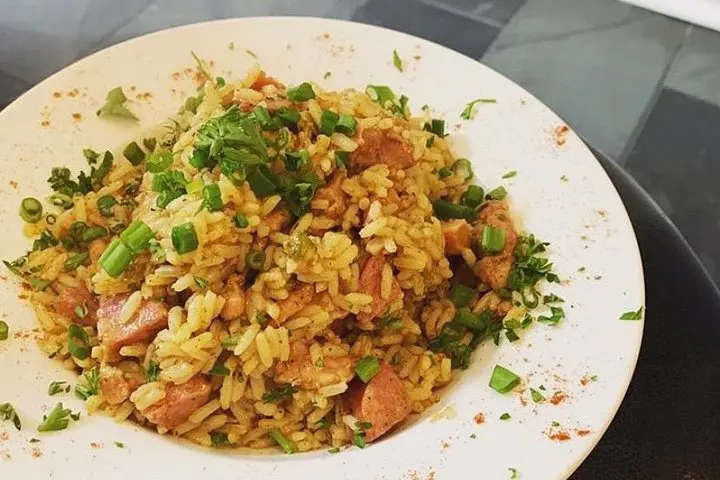
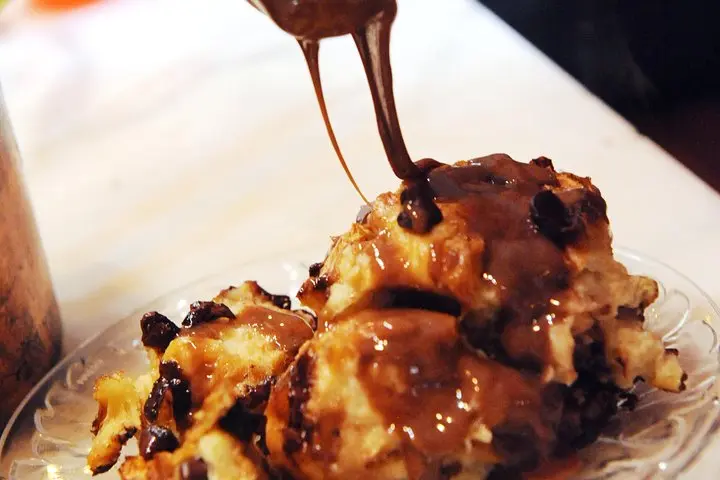
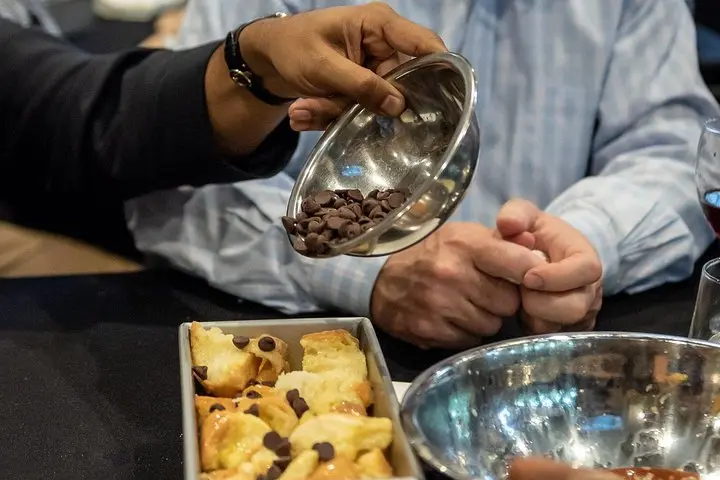
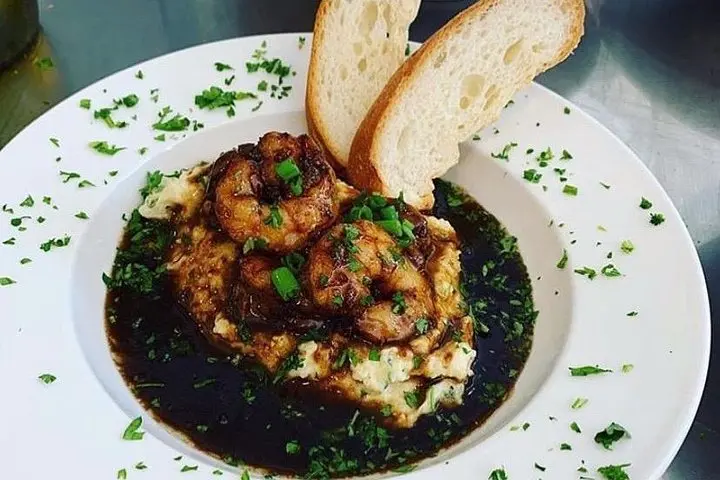
The class opens with a welcome from a local chef who explains the lineage of Cajun cooking: French techniques folded into Acadian, West African and Native American ingredients, refined along the Mississippi River delta where rice, seafood and pork shaped daily menus. You’ll work at a station, learn professional knife work, seasoning logic and timing for dishes like jambalaya, barbecue shrimp, and chocolate bread pudding with brandy mocha sauce.
Geology and place matter here — the Gulf’s bounty and the rich alluvial soils of south Louisiana make seafood and rice staples, while the city’s port history brought global spices that define the cuisine.
For culture, expect storytelling as part of the curriculum: chefs recount family recipes, festival traditions and the role of food in Carnival and neighborhood gatherings. The class is small and interactive, more like joining a dinner party than a lecture.
Practical guidance: arrive 10–15 minutes early, bring any dietary restrictions, and wear closed-toe shoes — you’ll be on your feet for about three hours. Expect hands-on prepping, tasting and communal plating; the class ends with a sit-down meal and recipes to take home. If you want photos, check with the chef before service starts so you don’t interrupt timing.
This experience pairs culinary craft with New Orleans’ living history — a compact, flavorful immersion in Cajun traditions.
Yes — the school accepts solo students and often fills small classes with individuals; you’ll be paired with other participants at stations.
Age policies vary; check with the operator when booking — classes are typically adult-focused but small children may not be appropriate for hands-on food prep.
Yes — the Mardi Gras School of Cooking lists wheelchair accessibility and accessible surfaces; notify ahead for any special arrangements.
Participants usually share the meal at the end and are provided recipes to recreate dishes at home; bringing home prepared food may be limited by venue policy.
The Mardi Gras School of Cooking operates guided outdoor trips and adventures with an emphasis on safety, stewardship, and memorable experiences.
Step off a cobblestone street and into a kitchen that smells of browned butter, caramelized onions and the unmistakable spice of andouille — the Mardi Gras School of Cooking transforms the French Quarter’s bustle into a communal dinner table.
Step off a cobblestone street and into a kitchen that smells of browned butter, caramelized onions and the unmistakable spice of andouille — the Mardi Gras School of Cooking transforms the French Quarter’s bustle into a communal dinner table.
The class opens with a welcome from a local chef who explains the lineage of Cajun cooking: French techniques folded into Acadian, West African and Native American ingredients, refined along the Mississippi River delta where rice, seafood and pork shaped daily menus. You’ll work at a station, learn professional knife work, seasoning logic and timing for dishes like jambalaya, barbecue shrimp, and chocolate bread pudding with brandy mocha sauce.
Geology and place matter here — the Gulf’s bounty and the rich alluvial soils of south Louisiana make seafood and rice staples, while the city’s port history brought global spices that define the cuisine.
For culture, expect storytelling as part of the curriculum: chefs recount family recipes, festival traditions and the role of food in Carnival and neighborhood gatherings. The class is small and interactive, more like joining a dinner party than a lecture.
Practical guidance: arrive 10–15 minutes early, bring any dietary restrictions, and wear closed-toe shoes — you’ll be on your feet for about three hours. Expect hands-on prepping, tasting and communal plating; the class ends with a sit-down meal and recipes to take home. If you want photos, check with the chef before service starts so you don’t interrupt timing.
This experience pairs culinary craft with New Orleans’ living history — a compact, flavorful immersion in Cajun traditions.