THE ADVENTURE COLLECTIVE® · Independent discovery and booking for outdoor travel

Spend a full day with small-family coffee and cacao farms outside Bogotá—pick beans by hand, grind with traditional tools and taste the products you help produce. This hands-on tour emphasizes small-scale, year-round harvesting and local hospitality.
Spend a full day with small-family coffee and cacao farms outside Bogotá—pick beans by hand, grind with traditional tools and taste the products you help produce. This hands-on tour emphasizes small-scale, year-round harvesting and local hospitality.
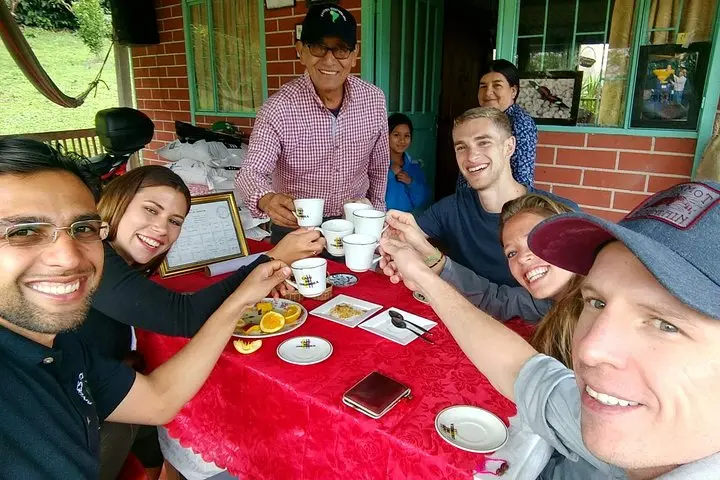
You step out of the van into a humid patchwork of small fields where coffee bushes lean toward the sun and cacao trees throw broad leaves over the trail. The air smells of damp earth and warm fruit; farmers wave from a shaded patio and invite you into a day that moves at the pace of harvest.
Verified experiences and guided adventures in the surrounding area.
Operated by Andes EcoTours · Bogotá, Cundinamarca
You step out of the van into a humid patchwork of small fields where coffee bushes lean toward the sun and cacao trees throw broad leaves over the trail. The air smells of damp earth and warm fruit; farmers wave from a shaded patio and invite you into a day that moves at the pace of harvest.
This day-long tour traces two agricultural traditions that shaped Colombia’s rural economy: coffee cultivation in highland plots and cacao grown in sheltered valleys. The volcanic soils of Cundinamarca and the eastern cordillera’s microclimates lend acidity to coffee and fruity complexity to cacao. Local campesinos maintain manual processing techniques—hand-picking ripe cherries, manual pulping, simple fermentation rooms—practices passed down through generations and adapted to small-family plots rather than commercial plantations.
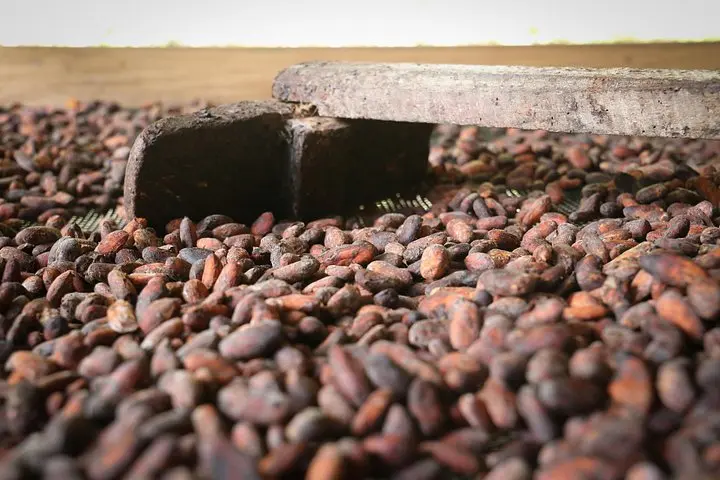
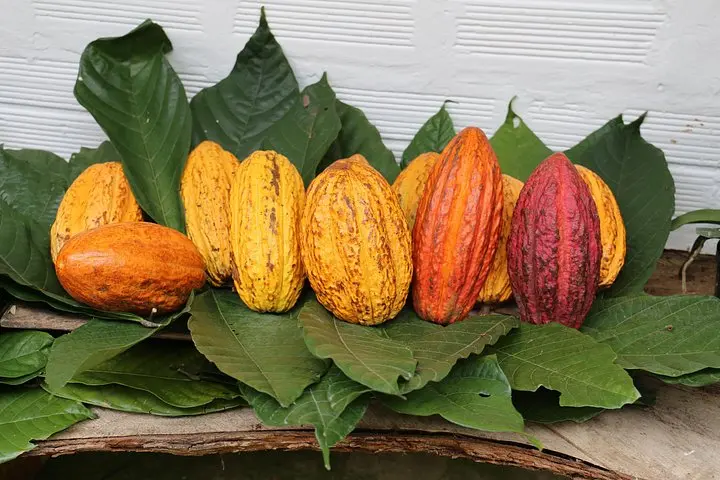
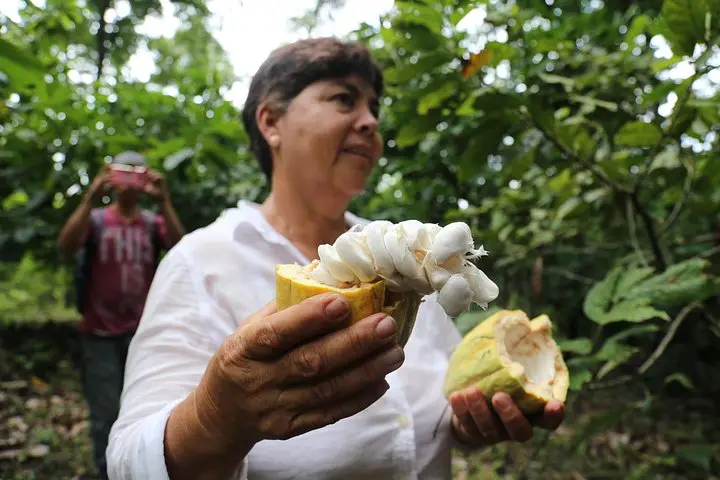
You’ll work the same tools the hosts use: shears, mortar-and-pestle grinders, drying racks and small roasters. The itinerary blends tactile learning with tastings—a traditional tinto brewed black, and raw cacao tasted straight from the pod—plus a home-style vegetarian lunch served in a community kitchen.
Practical guidance: expect a long day (12–14 hours) with private transport from Bogotá, light walking over uneven farm tracks, and close proximity to animals, drying racks and processing equipment. Wear closed-toe shoes, bring a refillable water bottle, sun protection and a small daypack for camera and purchases. Listen to your hosts; much of the value is in watching and trying rather than rushing. This is a straightforward, low-impact rural immersion that rewards curiosity and respect for local practices.
The tour runs about 12–14 hours and includes private transportation from Bogotá, visits to a coffee farm and a cacao farm, hands-on processing demonstrations, tastings and a vegetarian home-cooked lunch.
Children can join, but the tour involves uneven ground and standing for demonstrations; it's not recommended for travelers with serious back, heart or mobility issues.
Yes; many small farms sell roasted beans, dried cacao or small-batch chocolate—bring cash or check if you want to purchase directly from producers.
No—hosts guide every step from picking to roasting; curiosity and comfortable clothing are the main requirements.
Andes EcoTours operates guided outdoor trips and adventures with an emphasis on safety, stewardship, and memorable experiences.
You step out of the van into a humid patchwork of small fields where coffee bushes lean toward the sun and cacao trees throw broad leaves over the trail. The air smells of damp earth and warm fruit; farmers wave from a shaded patio and invite you into a day that moves at the pace of harvest.
You step out of the van into a humid patchwork of small fields where coffee bushes lean toward the sun and cacao trees throw broad leaves over the trail. The air smells of damp earth and warm fruit; farmers wave from a shaded patio and invite you into a day that moves at the pace of harvest.
This day-long tour traces two agricultural traditions that shaped Colombia’s rural economy: coffee cultivation in highland plots and cacao grown in sheltered valleys. The volcanic soils of Cundinamarca and the eastern cordillera’s microclimates lend acidity to coffee and fruity complexity to cacao. Local campesinos maintain manual processing techniques—hand-picking ripe cherries, manual pulping, simple fermentation rooms—practices passed down through generations and adapted to small-family plots rather than commercial plantations.
You’ll work the same tools the hosts use: shears, mortar-and-pestle grinders, drying racks and small roasters. The itinerary blends tactile learning with tastings—a traditional tinto brewed black, and raw cacao tasted straight from the pod—plus a home-style vegetarian lunch served in a community kitchen.
Practical guidance: expect a long day (12–14 hours) with private transport from Bogotá, light walking over uneven farm tracks, and close proximity to animals, drying racks and processing equipment. Wear closed-toe shoes, bring a refillable water bottle, sun protection and a small daypack for camera and purchases. Listen to your hosts; much of the value is in watching and trying rather than rushing. This is a straightforward, low-impact rural immersion that rewards curiosity and respect for local practices.