THE ADVENTURE COLLECTIVE® · Independent discovery and booking for outdoor travel

Learn to make injera, rich wats, and participate in an Ethiopian coffee ceremony in a 3–4 hour hands-on class in Addis Ababa. Includes transport, lunch of the dishes you cook, and a certificate.
Learn to make injera, rich wats, and participate in an Ethiopian coffee ceremony in a 3–4 hour hands-on class in Addis Ababa. Includes transport, lunch of the dishes you cook, and a certificate.
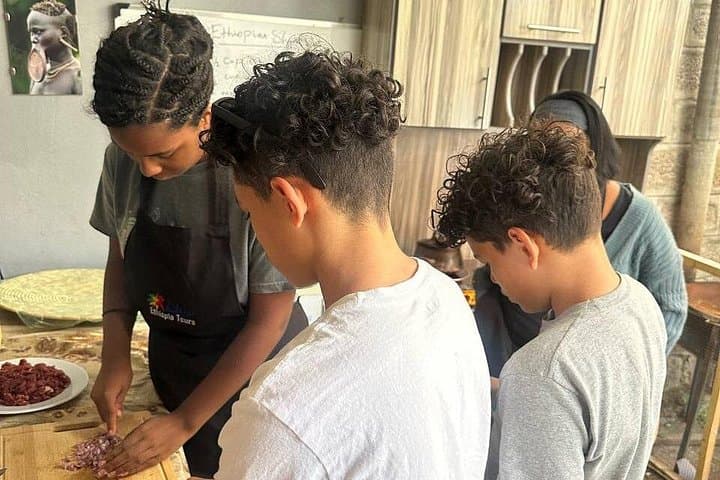
You step through a narrow doorway into a sunlit Addis Ababa kitchen and the room is immediate: the sharp aroma of berbere spices, the hiss of stews reducing, and the warm, slightly sour scent of injera batter warming on a mitad.
Verified experiences and guided adventures in the surrounding area.
Operated by Liyu Ethiopia Tours · Addis Ababa, Addis Ababa
You step through a narrow doorway into a sunlit Addis Ababa kitchen and the room is immediate: the sharp aroma of berbere spices, the hiss of stews reducing, and the warm, slightly sour scent of injera batter warming on a mitad.
This hands-on class traces cuisine that grew from highland grains and backyard hearths. Teff — the tiny grain behind injera — has fed Ethiopian highlands for millennia, while the coffee ceremony, born nearby in the Kaffa region, still dictates the rhythm of hospitality here. Instructors explain technique and meaning as much as measurements: how injera’s texture depends on fermentation time, why clarified butter (niter kibbeh) layers flavor, and how communal plates shape conversation.
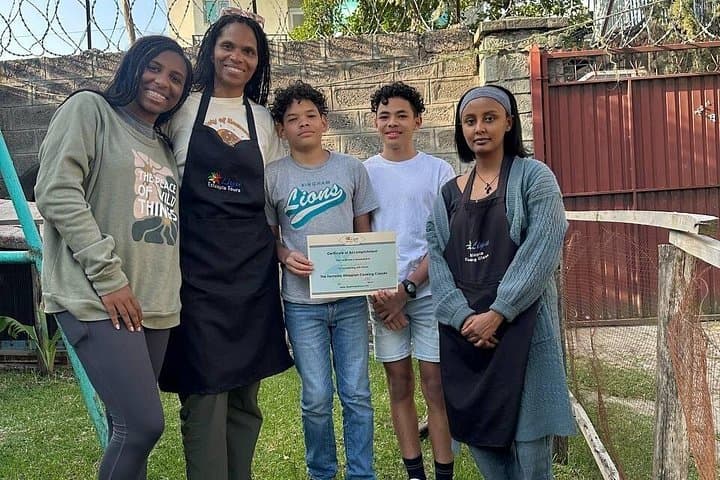
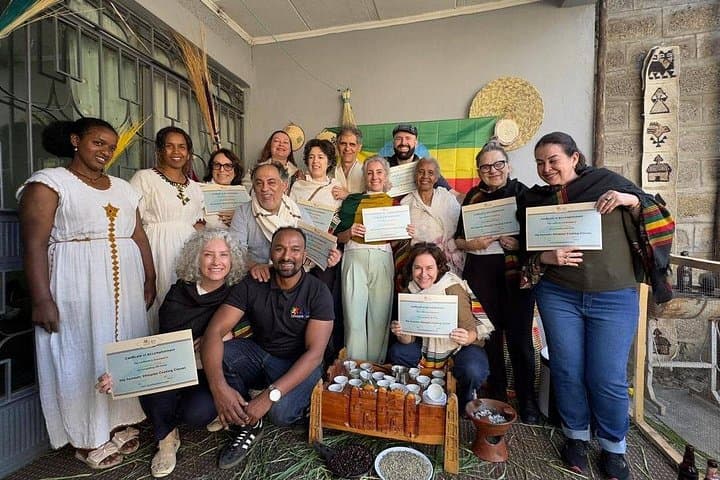
The session mixes history with practice. You’ll grind, mix, and cook under local guidance, plating shiro wat and other stews before sitting down to eat together; coffee and tea close the meal. The class runs about 3–4 hours, includes lunch and transport, and finishes with a certificate.
Practical notes: wear clothes you don’t mind splattering, bring a small notebook or phone for recipes, and flag dietary restrictions ahead of time. The kitchen is accessible and suitable for a wide range of skill levels, but space can be tight—book early and expect a hands-on pace.
Whether you want to reproduce flavors at home or simply understand Ethiopia’s culinary pulse, this class pairs tactile learning with cultural context—fast, flavorful, and rooted in place.
Classes run about 3–4 hours and include instruction, ingredients, lunch of what you prepare, coffee/tea, a certificate, and private transportation as listed.
Yes—chefs guide all steps and the experience is designed for all skill levels; no prior cooking skills are required.
Yes—inform the operator at booking about allergies or dietary preferences so they can adapt recipes and ingredients.
According to the provider, the location and transportation options are wheelchair accessible; notify them if you need assistance.
Liyu Ethiopia Tours operates guided outdoor trips and adventures with an emphasis on safety, stewardship, and memorable experiences.

You step through a narrow doorway into a sunlit Addis Ababa kitchen and the room is immediate: the sharp aroma of berbere spices, the hiss of stews reducing, and the warm, slightly sour scent of injera batter warming on a mitad.
You step through a narrow doorway into a sunlit Addis Ababa kitchen and the room is immediate: the sharp aroma of berbere spices, the hiss of stews reducing, and the warm, slightly sour scent of injera batter warming on a mitad.
This hands-on class traces cuisine that grew from highland grains and backyard hearths. Teff — the tiny grain behind injera — has fed Ethiopian highlands for millennia, while the coffee ceremony, born nearby in the Kaffa region, still dictates the rhythm of hospitality here. Instructors explain technique and meaning as much as measurements: how injera’s texture depends on fermentation time, why clarified butter (niter kibbeh) layers flavor, and how communal plates shape conversation.
The session mixes history with practice. You’ll grind, mix, and cook under local guidance, plating shiro wat and other stews before sitting down to eat together; coffee and tea close the meal. The class runs about 3–4 hours, includes lunch and transport, and finishes with a certificate.
Practical notes: wear clothes you don’t mind splattering, bring a small notebook or phone for recipes, and flag dietary restrictions ahead of time. The kitchen is accessible and suitable for a wide range of skill levels, but space can be tight—book early and expect a hands-on pace.
Whether you want to reproduce flavors at home or simply understand Ethiopia’s culinary pulse, this class pairs tactile learning with cultural context—fast, flavorful, and rooted in place.