THE ADVENTURE COLLECTIVE® · Independent discovery and booking for outdoor travel

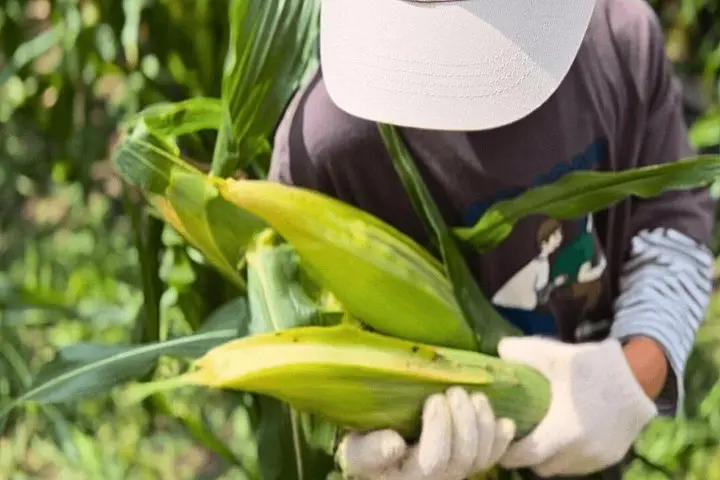
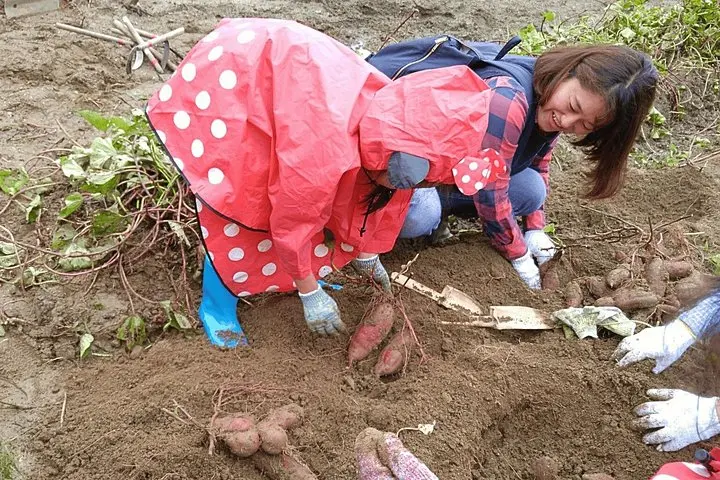
Spend a full day on a working mountain farm in Inabu—plant rice in spring, dig potatoes in summer, and cook what you harvest with local farmers. This hands-on program pairs physical work with cultural exchange and practical cooking using seasonal produce.
Spend a full day on a working mountain farm in Inabu—plant rice in spring, dig potatoes in summer, and cook what you harvest with local farmers. This hands-on program pairs physical work with cultural exchange and practical cooking using seasonal produce.
Morning mist clings to the rice terraces above Inabu as you step from the van onto packed earth. Farmers meet you at Donguri Workshop, hand you boots and a lesson, and send you into fields that demand a rhythm—kneeling, planting, digging—where the work itself structures the day.
Verified experiences and guided adventures in the surrounding area.
Operated by Tourism Designers Co., Ltd. · Toyota, Aichi Prefecture
Morning mist clings to the rice terraces above Inabu as you step from the van onto packed earth. Farmers meet you at Donguri Workshop, hand you boots and a lesson, and send you into fields that demand a rhythm—kneeling, planting, digging—where the work itself structures the day.
This mountain pocket of central Japan sits in the higher slopes of Aichi’s Mikawa highlands, where small plots trace contour lines carved by centuries of agriculture. Local farming here blends postwar subsistence techniques with seasonal ritual: spring rice planting, summer potato digging, and autumn harvests of sweet potato and taro. The soil is coarse and honest; the surrounding hills push cool air down into the valleys, shaping planting dates and flavors.
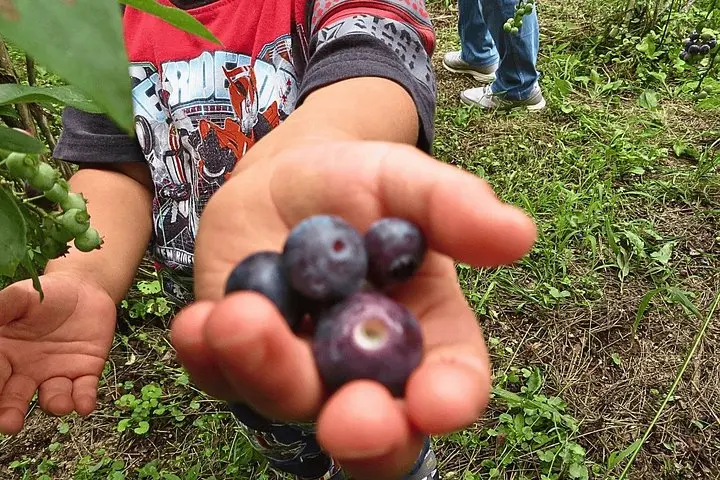
Culturally the program channels the farmer–community relationship: you’ll swap stories over a communal cooking session with produce you helped harvest, and an English interpreter connects practical tips and local lore. The day emphasizes hands-on learning rather than sightseeing—expect physical labor, mud, and the satisfaction of transforming seed to plate.
Practicalities: this is a full-day (about 7 hours) program with small shared groups (up to 8), transportation and guidance included. Wear waterproof boots, quick-dry layers, and bring long sleeves for sun and insects. Hydrate and eat a hearty breakfast—farm work uses steady, low-intensity effort for hours. Note the tour is not recommended for people with spinal injuries; children 4+ pay adult rate. Leave space for tactile learning and a slower pace: the farm measures success by season and soil, not speed.
The program runs about 7 hours (full day) including transport, hands-on farm work, and a cooking session.
No previous experience is required—local farmers provide instruction and hands-on guidance.
The cooking session uses freshly harvested produce; notify organizers in advance of allergies or restrictions.
Children aged 4 and above are charged adult rate and can participate; children 3 and under join free but lunch is not provided for them.
Tourism Designers Co., Ltd. operates guided outdoor trips and adventures with an emphasis on safety, stewardship, and memorable experiences.
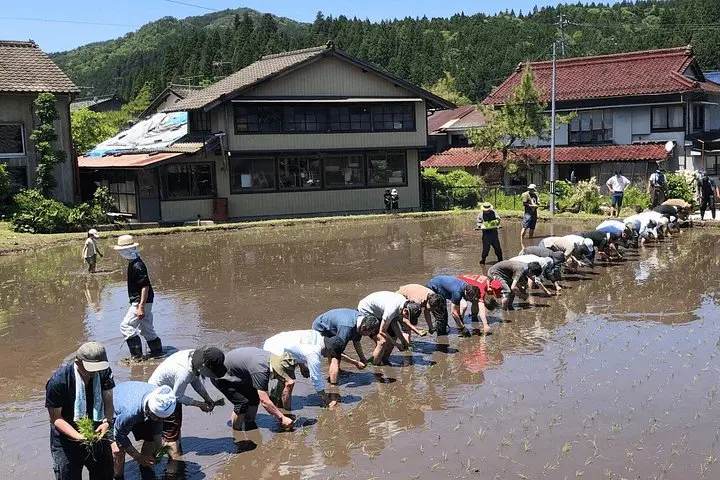
Morning mist clings to the rice terraces above Inabu as you step from the van onto packed earth. Farmers meet you at Donguri Workshop, hand you boots and a lesson, and send you into fields that demand a rhythm—kneeling, planting, digging—where the work itself structures the day.
Morning mist clings to the rice terraces above Inabu as you step from the van onto packed earth. Farmers meet you at Donguri Workshop, hand you boots and a lesson, and send you into fields that demand a rhythm—kneeling, planting, digging—where the work itself structures the day.
This mountain pocket of central Japan sits in the higher slopes of Aichi’s Mikawa highlands, where small plots trace contour lines carved by centuries of agriculture. Local farming here blends postwar subsistence techniques with seasonal ritual: spring rice planting, summer potato digging, and autumn harvests of sweet potato and taro. The soil is coarse and honest; the surrounding hills push cool air down into the valleys, shaping planting dates and flavors.
Culturally the program channels the farmer–community relationship: you’ll swap stories over a communal cooking session with produce you helped harvest, and an English interpreter connects practical tips and local lore. The day emphasizes hands-on learning rather than sightseeing—expect physical labor, mud, and the satisfaction of transforming seed to plate.
Practicalities: this is a full-day (about 7 hours) program with small shared groups (up to 8), transportation and guidance included. Wear waterproof boots, quick-dry layers, and bring long sleeves for sun and insects. Hydrate and eat a hearty breakfast—farm work uses steady, low-intensity effort for hours. Note the tour is not recommended for people with spinal injuries; children 4+ pay adult rate. Leave space for tactile learning and a slower pace: the farm measures success by season and soil, not speed.