THE ADVENTURE COLLECTIVE® · Independent discovery and booking for outdoor travel

Spend 90 minutes learning small‑scale farming in the Adirondacks: pick seasonal produce, gather eggs, feed pasture pigs, and groom ambassador goats. Perfect for families and curious travelers who want a hands‑on taste of farm life.
Spend 90 minutes learning small‑scale farming in the Adirondacks: pick seasonal produce, gather eggs, feed pasture pigs, and groom ambassador goats. Perfect for families and curious travelers who want a hands‑on taste of farm life.
Morning light hits the greenhouse as the group assembles on a gravel lot; the air smells of damp soil and fresh-cut hay. For 90 minutes, the farm insists on being active — rows of market vegetables invite picking, hens cluck around coop doors, and ambassador goats Chuck and Larry press their heads for a quick brush. The experience puts guests at the workbench of a small-scale Adirondack farm rather than behind glass.
Verified experiences and guided adventures in the surrounding area.
Operated by The Cook Farm · Lake George, New York
Morning light hits the greenhouse as the group assembles on a gravel lot; the air smells of damp soil and fresh-cut hay. For 90 minutes, the farm insists on being active — rows of market vegetables invite picking, hens cluck around coop doors, and ambassador goats Chuck and Larry press their heads for a quick brush. The experience puts guests at the workbench of a small-scale Adirondack farm rather than behind glass.
This region was shaped by glaciers that carved rolling hills and left stone walls that now border pastures. Farms here grew from 19th-century subsistence plots into diversified operations supplying local markets and summer communities. The farm visit introduces simple agricultural practices — egg collection, pig feeding, compost-temperature checks — that reflect a broader local food culture built on seasonality and low-input stewardship.
Expect close encounters with animals, tactile chores, and candid farm talk from your guide. The pace is deliberate: short walks across level fields and time by enclosures and the greenhouse. The route is accessible to all ages, making it a practical half-day activity for families or curious travelers.
Practical notes: arrive with closed-toe shoes and clothing you don’t mind getting dusty; boot covers are provided. Morning slots are best for egg collecting and cooler temperatures. The experience runs for 1.5 hours, accommodates small groups, and emphasizes hands-on learning over spectacle — come ready to participate, ask questions, and leave with a clearer sense of seasonal harvest rhythms in the Adirondacks.
Yes — the pace and activities are family‑friendly; children should be supervised around animals and near pens.
Closed‑toe shoes, weather‑appropriate layers, and clothes you don’t mind getting dirty are recommended; boot covers are provided.
Most farm sites provide a basic restroom or porta‑john near the meeting area; check with the operator if accessibility is a concern.
Policies vary — small quantities may be allowed depending on harvest and biosecurity rules; ask the guide at check‑in.
The Cook Farm operates guided outdoor trips and adventures with an emphasis on safety, stewardship, and memorable experiences.
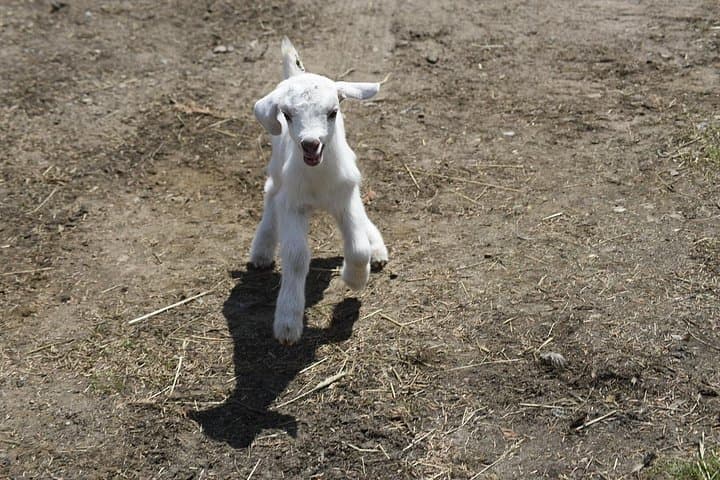
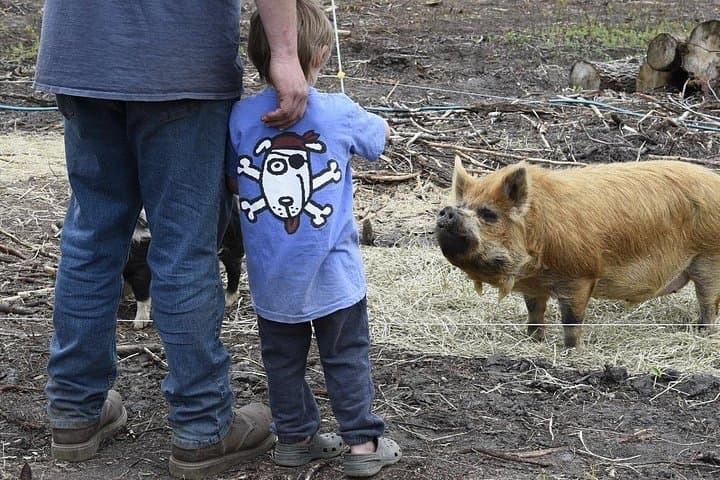
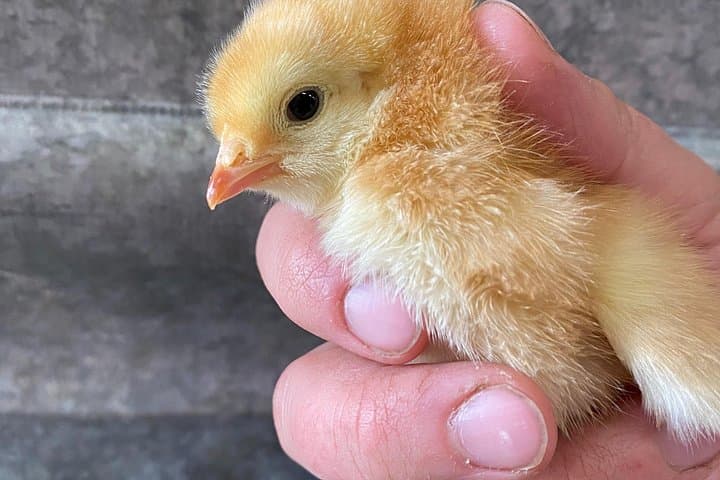
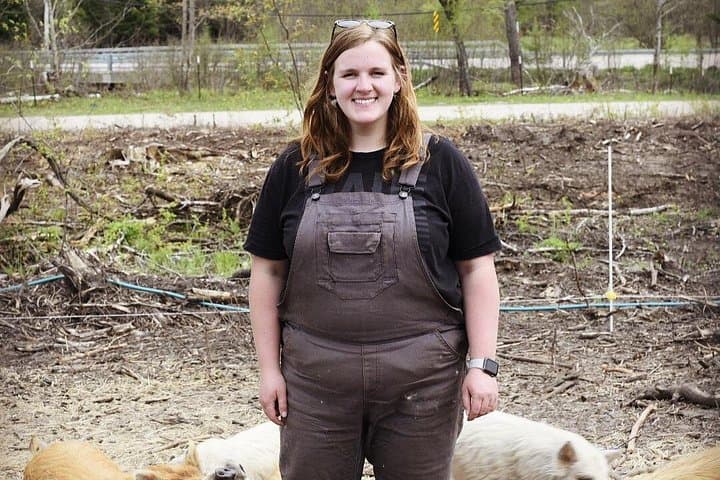
Morning light hits the greenhouse as the group assembles on a gravel lot; the air smells of damp soil and fresh-cut hay. For 90 minutes, the farm insists on being active — rows of market vegetables invite picking, hens cluck around coop doors, and ambassador goats Chuck and Larry press their heads for a quick brush. The experience puts guests at the workbench of a small-scale Adirondack farm rather than behind glass.
Morning light hits the greenhouse as the group assembles on a gravel lot; the air smells of damp soil and fresh-cut hay. For 90 minutes, the farm insists on being active — rows of market vegetables invite picking, hens cluck around coop doors, and ambassador goats Chuck and Larry press their heads for a quick brush. The experience puts guests at the workbench of a small-scale Adirondack farm rather than behind glass.
This region was shaped by glaciers that carved rolling hills and left stone walls that now border pastures. Farms here grew from 19th-century subsistence plots into diversified operations supplying local markets and summer communities. The farm visit introduces simple agricultural practices — egg collection, pig feeding, compost-temperature checks — that reflect a broader local food culture built on seasonality and low-input stewardship.
Expect close encounters with animals, tactile chores, and candid farm talk from your guide. The pace is deliberate: short walks across level fields and time by enclosures and the greenhouse. The route is accessible to all ages, making it a practical half-day activity for families or curious travelers.
Practical notes: arrive with closed-toe shoes and clothing you don’t mind getting dusty; boot covers are provided. Morning slots are best for egg collecting and cooler temperatures. The experience runs for 1.5 hours, accommodates small groups, and emphasizes hands-on learning over spectacle — come ready to participate, ask questions, and leave with a clearer sense of seasonal harvest rhythms in the Adirondacks.