THE ADVENTURE COLLECTIVE® · Independent discovery and booking for outdoor travel

Join local miners outside Ratnapura for a full-day, hands-on introduction to Sri Lanka’s gem trade—sluicing, panning and visiting cutting stalls with transport and lunch included. Expect muddy terraces, close-up geology lessons, and practical buying advice.
Join local miners outside Ratnapura for a full-day, hands-on introduction to Sri Lanka’s gem trade—sluicing, panning and visiting cutting stalls with transport and lunch included. Expect muddy terraces, close-up geology lessons, and practical buying advice.
A humid morning cracks open over paddy fields as the van drops you at the lip of a working pit outside Ratnapura. Mud clings to boots, water glints in sluice channels and local miners, weathered and efficient, gesture you forward—this is not a show, it’s a living craft. The soil here feels purposeful; each pan and wash pushes the past upward.
Verified experiences and guided adventures in the surrounding area.
Operated by Harasara Tours · Ratnapura, Sabaragamuwa Province
A humid morning cracks open over paddy fields as the van drops you at the lip of a working pit outside Ratnapura. Mud clings to boots, water glints in sluice channels and local miners, weathered and efficient, gesture you forward—this is not a show, it’s a living craft. The soil here feels purposeful; each pan and wash pushes the past upward.
Ratnapura, literally “City of Gems,” has produced sapphires, rubies and spinels for centuries. The geology is simple and striking: gem-bearing alluvial gravels washed down from the central massif collect in river terraces and shallow pits. Culturally, gem mining is woven into local identity—families pass techniques down generations and roadside gem markets hum with negotiation and expertise.
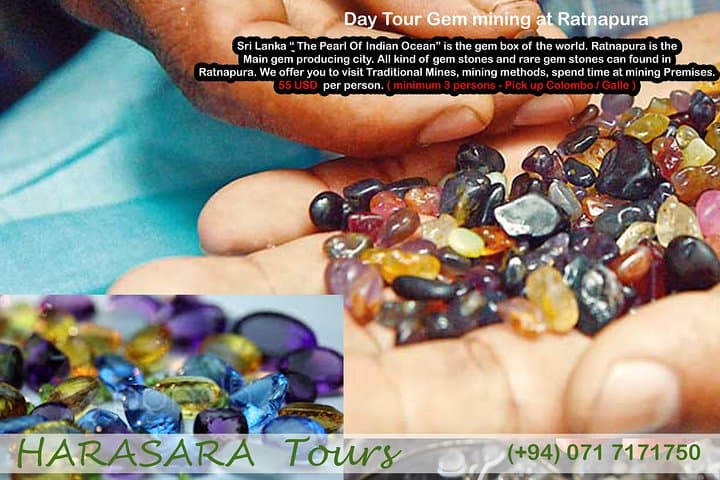
On a typical day tour participants watch sluicing and hand-panning, visit a small cutting workshop, and learn to identify common Sri Lankan stones by weight, color and clarity. Guides explain inspection basics—luster, inclusions, and common treatments—while emphasizing legal and ethical buying.
Practical guidance: wear quick-drain footwear and old clothing, bring a waterproof daypack for camera and purchases, and expect bending and slippery banks. The day runs 8–9 hours with transport and lunch included; moderate humidity and intermittent sun make hydration and a light rain layer useful. If you plan to buy, carry local currency and ask for receipts.
This tour gives a grounded, hands-on view of how gems move from riverbed to market—an educational, tactile slice of Sri Lanka’s extractive landscape that rewards curiosity and common sense.
The full-day tour runs about 8–9 hours and typically includes private transport, a guide, lunch, refreshments and entry to working mine areas.
Yes—when you remain in visitor areas and follow guides’ instructions; active pits can be slippery and have moving equipment.
Yes, there’s usually access to local sellers and cutting workshops; bring local currency and request receipts and certification where available.
The activity is rated easy but involves uneven, muddy ground—supervise children and notify the operator of mobility needs ahead of booking.
Harasara Tours operates guided outdoor trips and adventures with an emphasis on safety, stewardship, and memorable experiences.
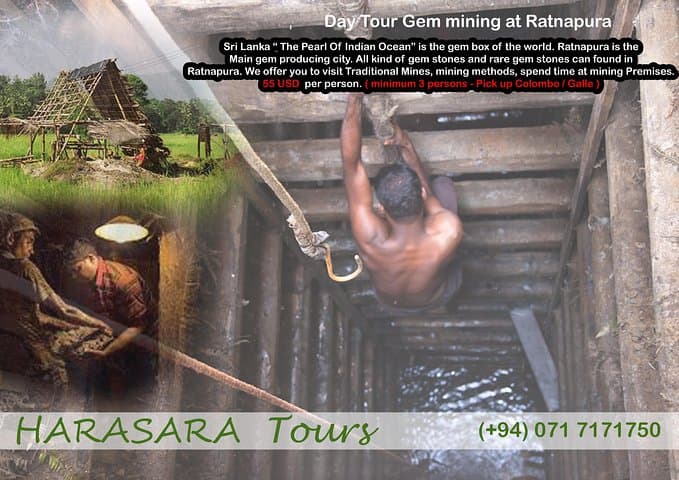
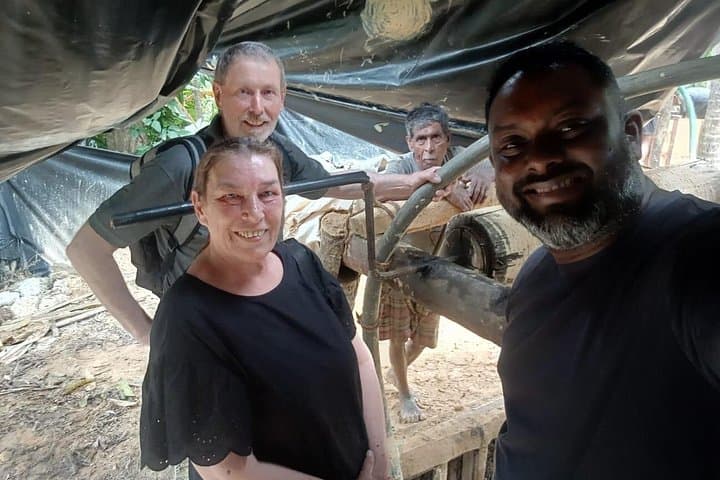
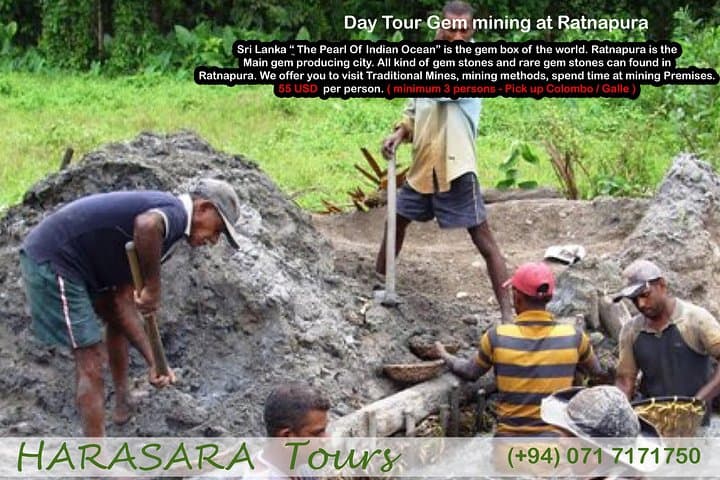
A humid morning cracks open over paddy fields as the van drops you at the lip of a working pit outside Ratnapura. Mud clings to boots, water glints in sluice channels and local miners, weathered and efficient, gesture you forward—this is not a show, it’s a living craft. The soil here feels purposeful; each pan and wash pushes the past upward.
A humid morning cracks open over paddy fields as the van drops you at the lip of a working pit outside Ratnapura. Mud clings to boots, water glints in sluice channels and local miners, weathered and efficient, gesture you forward—this is not a show, it’s a living craft. The soil here feels purposeful; each pan and wash pushes the past upward.
Ratnapura, literally “City of Gems,” has produced sapphires, rubies and spinels for centuries. The geology is simple and striking: gem-bearing alluvial gravels washed down from the central massif collect in river terraces and shallow pits. Culturally, gem mining is woven into local identity—families pass techniques down generations and roadside gem markets hum with negotiation and expertise.
On a typical day tour participants watch sluicing and hand-panning, visit a small cutting workshop, and learn to identify common Sri Lankan stones by weight, color and clarity. Guides explain inspection basics—luster, inclusions, and common treatments—while emphasizing legal and ethical buying.
Practical guidance: wear quick-drain footwear and old clothing, bring a waterproof daypack for camera and purchases, and expect bending and slippery banks. The day runs 8–9 hours with transport and lunch included; moderate humidity and intermittent sun make hydration and a light rain layer useful. If you plan to buy, carry local currency and ask for receipts.
This tour gives a grounded, hands-on view of how gems move from riverbed to market—an educational, tactile slice of Sri Lanka’s extractive landscape that rewards curiosity and common sense.