THE ADVENTURE COLLECTIVE® · Independent discovery and booking for outdoor travel

Get hands-on instruction in a small Destin studio and make your own hot-glass piece over two hours. This beginner-friendly class covers safety, basic techniques, and supervised time at the bench to create a finished item.
Get hands-on instruction in a small Destin studio and make your own hot-glass piece over two hours. This beginner-friendly class covers safety, basic techniques, and supervised time at the bench to create a finished item.
You step into a studio where heat becomes a tool and molten glass gleams like captured sunlight. The furnace hums, a steady heartbeat that pushes color and form forward, while an instructor demonstrates how a gather becomes a vessel. Close-toed shoes tap on concrete; the room smells faintly of annealing glass and warm metal.
Verified experiences and guided adventures in the surrounding area.
Operated by The Glass Deer · Destin, Florida
You step into a studio where heat becomes a tool and molten glass gleams like captured sunlight. The furnace hums, a steady heartbeat that pushes color and form forward, while an instructor demonstrates how a gather becomes a vessel. Close-toed shoes tap on concrete; the room smells faintly of annealing glass and warm metal.
Glassblowing in Destin sits at the intersection of craft and coastal culture. The Gulf Coast’s maritime history brought a practical, hands-on ethos to local artisans; studios like this borrow techniques centuries old while using modern safety systems. Geologically, the region’s white-sand beaches and coastal winds shaped local material trade and visual tastes—bright, watery colors and wave-like forms appear often in Emerald Coast glasswork. The city’s small but active arts scene gives these workshops a community feel: instructors who sell pieces at nearby galleries, and visitors who pair a class with a harbor walk.
Practically, this is a two-hour, beginner-friendly hot-glass workshop. Expect a safety briefing, demonstration, and guided time at the bench making one finished piece with staff assistance. Wear natural fibers and close-toed shoes; glassblowing is hot and requires attention to your clothing and hydration. Bring a small towel or hair tie, and plan for a minimum-group policy—classes run with at least three participants.
Plan to arrive early to park and get fitted for safety gear, and allow extra time afterward to browse local galleries. The experience is tactile and exacting: move deliberately, listen closely, and you’ll leave with a handmade object and a clear sense of how heat, air, and motion shape art.
No—this class is designed for beginners; instructors demonstrate techniques and assist you step-by-step.
Policies vary; infants must sit on laps and guests with cardiovascular issues are advised against participating—check age minimums with the studio.
Most students complete and bring home one finished glass piece that was created and cooled according to studio protocols.
No—studios require natural fibers and closed-toe shoes because furnaces and hot glass pose burn risks.
The Glass Deer operates guided outdoor trips and adventures with an emphasis on safety, stewardship, and memorable experiences.
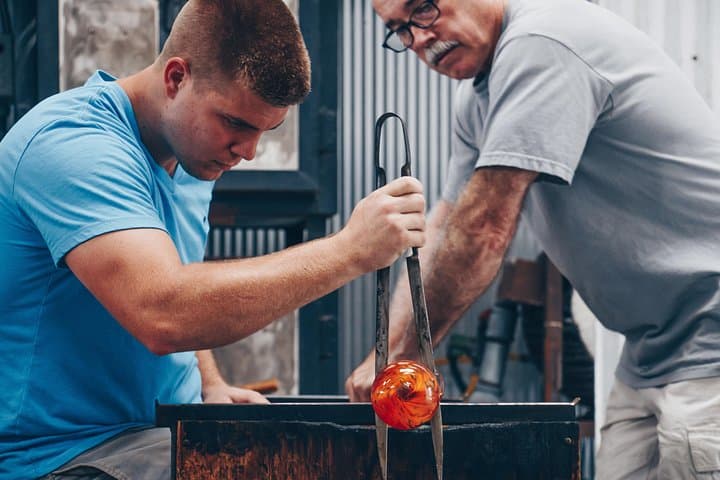
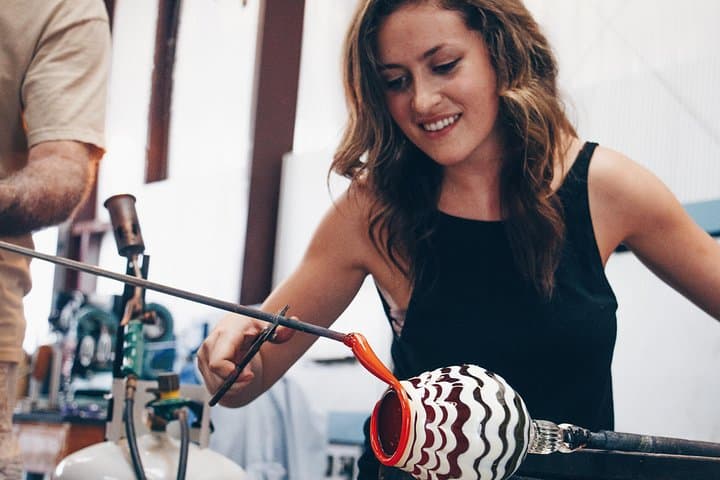
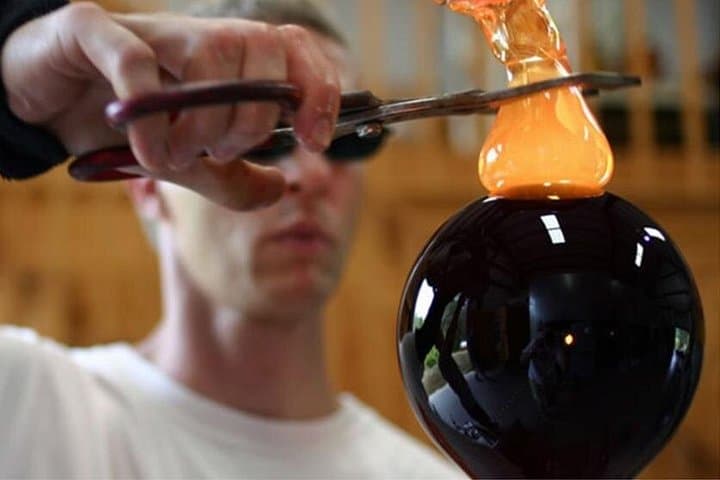
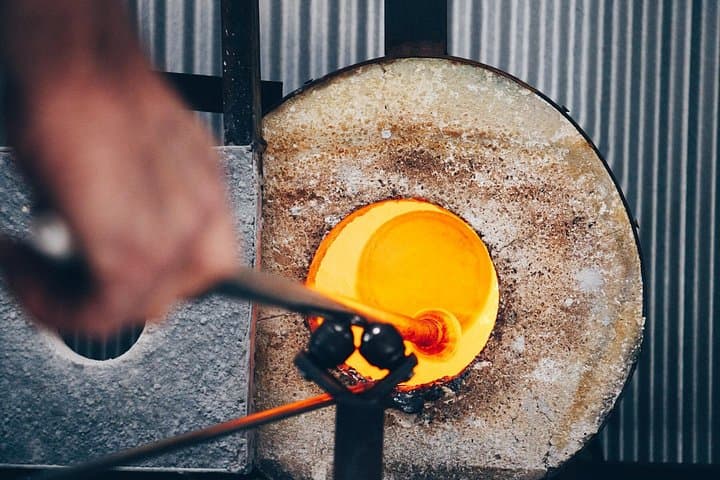
You step into a studio where heat becomes a tool and molten glass gleams like captured sunlight. The furnace hums, a steady heartbeat that pushes color and form forward, while an instructor demonstrates how a gather becomes a vessel. Close-toed shoes tap on concrete; the room smells faintly of annealing glass and warm metal.
You step into a studio where heat becomes a tool and molten glass gleams like captured sunlight. The furnace hums, a steady heartbeat that pushes color and form forward, while an instructor demonstrates how a gather becomes a vessel. Close-toed shoes tap on concrete; the room smells faintly of annealing glass and warm metal.
Glassblowing in Destin sits at the intersection of craft and coastal culture. The Gulf Coast’s maritime history brought a practical, hands-on ethos to local artisans; studios like this borrow techniques centuries old while using modern safety systems. Geologically, the region’s white-sand beaches and coastal winds shaped local material trade and visual tastes—bright, watery colors and wave-like forms appear often in Emerald Coast glasswork. The city’s small but active arts scene gives these workshops a community feel: instructors who sell pieces at nearby galleries, and visitors who pair a class with a harbor walk.
Practically, this is a two-hour, beginner-friendly hot-glass workshop. Expect a safety briefing, demonstration, and guided time at the bench making one finished piece with staff assistance. Wear natural fibers and close-toed shoes; glassblowing is hot and requires attention to your clothing and hydration. Bring a small towel or hair tie, and plan for a minimum-group policy—classes run with at least three participants.
Plan to arrive early to park and get fitted for safety gear, and allow extra time afterward to browse local galleries. The experience is tactile and exacting: move deliberately, listen closely, and you’ll leave with a handmade object and a clear sense of how heat, air, and motion shape art.