THE ADVENTURE COLLECTIVE® · Independent discovery and booking for outdoor travel

Learn to make three lotion textures and basic ointments from island plants in a hands-on, three-hour Puerto Rico workshop. Leave with labeled, take-home products and practical recipe skills.
Learn to make three lotion textures and basic ointments from island plants in a hands-on, three-hour Puerto Rico workshop. Leave with labeled, take-home products and practical recipe skills.
Close your eyes and imagine the clean, resinous scent of crushed leaves rising in a small studio near the city — warm island air pushes through an open window while a line of glass jars waits on the table. This three-hour workshop walks participants through three lotion textures and the subtle differences between lotions, creams, and ointments, turning local medicinal plants into practical skincare.
Verified experiences and guided adventures in the surrounding area.
Operated by Herboestetica · San Juan, Puerto Rico
Close your eyes and imagine the clean, resinous scent of crushed leaves rising in a small studio near the city — warm island air pushes through an open window while a line of glass jars waits on the table. This three-hour workshop walks participants through three lotion textures and the subtle differences between lotions, creams, and ointments, turning local medicinal plants into practical skincare.
Puerto Rico's plant lore blends Taíno, African and Spanish influences; island geology — volcanic soils and coastal lowlands — supports a surprising range of herbs used for skin: plantain, aloe, and neem-like species adapted to tropical sun. Instructors typically demonstrate emulsification, balm-making and safe preservative choices, and identify common local botanicals so students can recognize what grows nearby.
Expect hands-on mixing, heating and cooling stages, and small-group guidance that leaves you with labeled, take-home products. Materials and basic containers are usually provided; you'll learn measurements, shelf-life expectations and storage basics so your creams stay stable in humid climates.
Practical tips: disclose allergies in advance, bring any required meds, and pack a notebook for recipes. The session suits beginners — no lab background required — but emphasizes safe handling of hot oils and accurate weighing. Workshops favor sustainable sourcing: instructors encourage buying from local growers and avoiding wild harvesting in protected areas. Whether you plan to replicate recipes at home or simply learn how traditional remedies become modern skincare, this workshop blends cultural knowledge with practical craft — tactile, informative and built to leave you with usable, island-ready products.
Yes — most workshops include materials and let you take home several small jars of the lotions or ointments you make.
Basic cream preparation materials are included, but bringing extra jars, a notebook and any personal allergy meds is recommended.
Absolutely — the class is designed for all skill levels and covers fundamentals like emulsification, heating and labeling.
Infants and small children can be present (stroller accessible), but check with the operator about age-appropriate participation and safety around hot equipment.
Herboestetica operates guided outdoor trips and adventures with an emphasis on safety, stewardship, and memorable experiences.
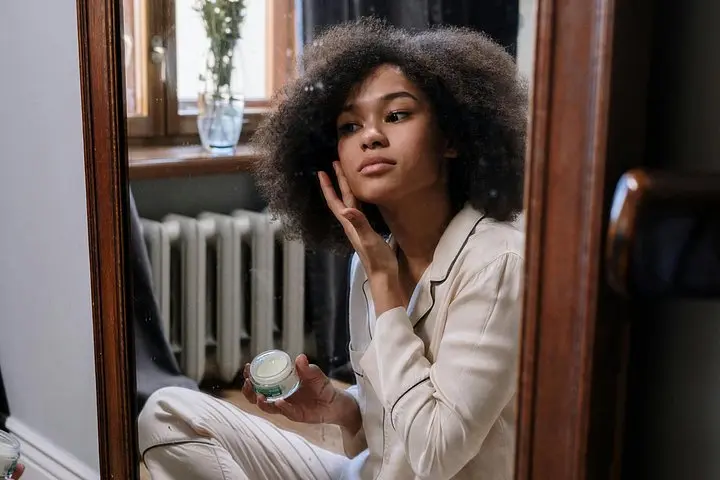
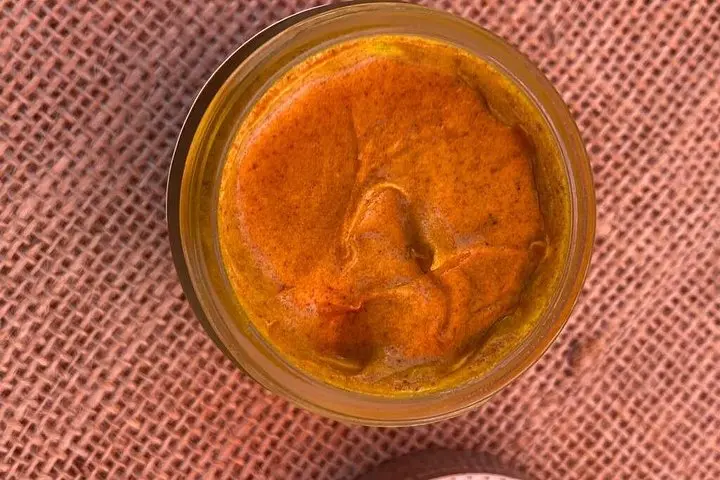
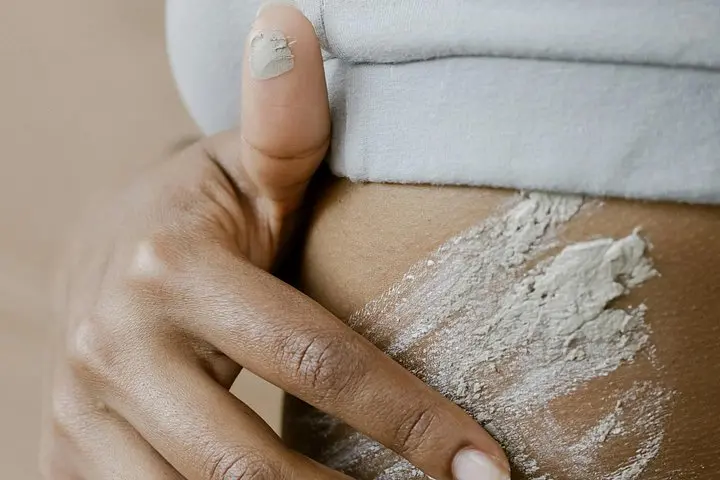
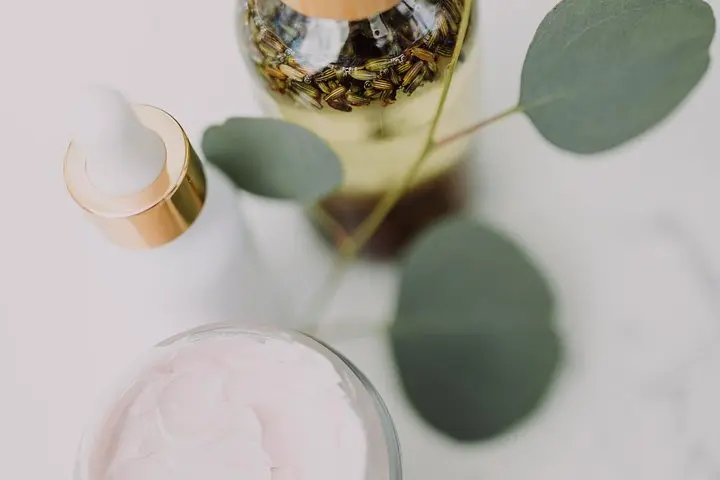
Close your eyes and imagine the clean, resinous scent of crushed leaves rising in a small studio near the city — warm island air pushes through an open window while a line of glass jars waits on the table. This three-hour workshop walks participants through three lotion textures and the subtle differences between lotions, creams, and ointments, turning local medicinal plants into practical skincare.
Close your eyes and imagine the clean, resinous scent of crushed leaves rising in a small studio near the city — warm island air pushes through an open window while a line of glass jars waits on the table. This three-hour workshop walks participants through three lotion textures and the subtle differences between lotions, creams, and ointments, turning local medicinal plants into practical skincare.
Puerto Rico's plant lore blends Taíno, African and Spanish influences; island geology — volcanic soils and coastal lowlands — supports a surprising range of herbs used for skin: plantain, aloe, and neem-like species adapted to tropical sun. Instructors typically demonstrate emulsification, balm-making and safe preservative choices, and identify common local botanicals so students can recognize what grows nearby.
Expect hands-on mixing, heating and cooling stages, and small-group guidance that leaves you with labeled, take-home products. Materials and basic containers are usually provided; you'll learn measurements, shelf-life expectations and storage basics so your creams stay stable in humid climates.
Practical tips: disclose allergies in advance, bring any required meds, and pack a notebook for recipes. The session suits beginners — no lab background required — but emphasizes safe handling of hot oils and accurate weighing. Workshops favor sustainable sourcing: instructors encourage buying from local growers and avoiding wild harvesting in protected areas. Whether you plan to replicate recipes at home or simply learn how traditional remedies become modern skincare, this workshop blends cultural knowledge with practical craft — tactile, informative and built to leave you with usable, island-ready products.