THE ADVENTURE COLLECTIVE® · Independent discovery and booking for outdoor travel

Spend a morning making lanterns, feeding silkworms, and stomping seaweed with a Tra Que family outside Hoi An. This 5-hour tour blends hands-on craft, rural agriculture and a local noodle lunch.
Spend a morning making lanterns, feeding silkworms, and stomping seaweed with a Tra Que family outside Hoi An. This 5-hour tour blends hands-on craft, rural agriculture and a local noodle lunch.
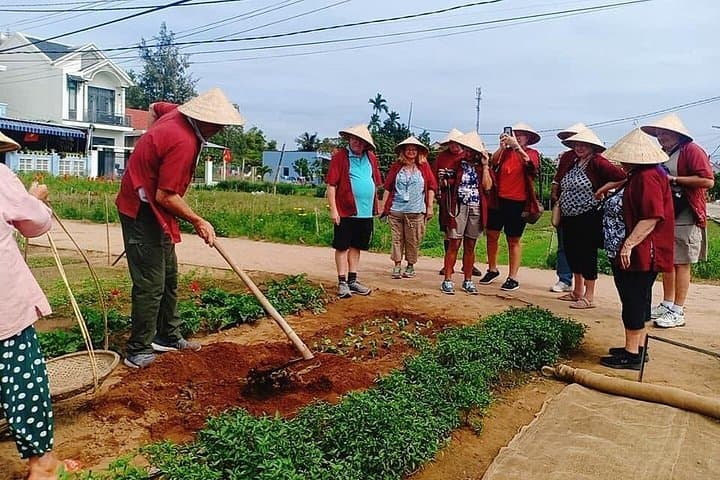
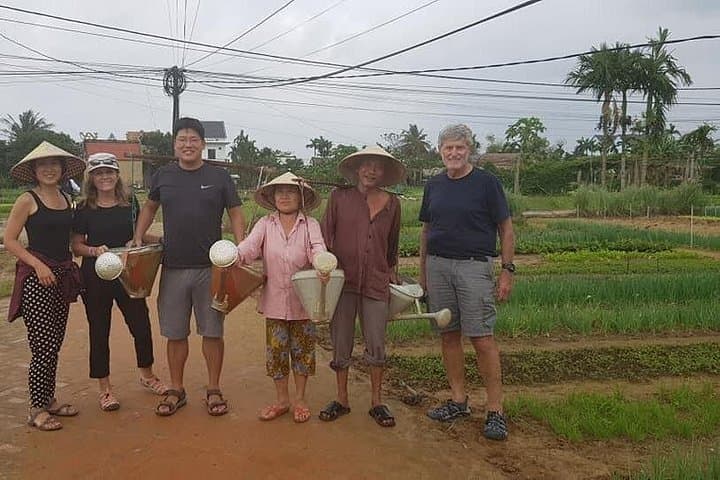
Early sunlight slips across rice paddies and the air tastes faintly of seaweed — that’s the first thing you notice arriving at Tra Que, a compact green village a few minutes from Hoi An’s ancient town. The tour moves at a deliberate, tactile pace: you’ll press handfuls of damp soil, stomp seaweed fertilizer with locals, and learn the rhythmic motions of traditional watering cans before sitting down to a bowl of simple local noodles.
Verified experiences and guided adventures in the surrounding area.
Operated by Private Tourguides in Da Nang Hoi An Hue · Hoi An, Quang Nam
Early sunlight slips across rice paddies and the air tastes faintly of seaweed — that’s the first thing you notice arriving at Tra Que, a compact green village a few minutes from Hoi An’s ancient town. The tour moves at a deliberate, tactile pace: you’ll press handfuls of damp soil, stomp seaweed fertilizer with locals, and learn the rhythmic motions of traditional watering cans before sitting down to a bowl of simple local noodles.
This loop combines living craft and living agriculture. Hoi An’s lantern tradition dates to its days as a trading port; silk weaving here preserves techniques linked to Champa-era motifs and local mulberry cultivation. The landscape is low and flat — alluvial soils fed by the Thu Bon River — so the day is more about touch and texture than elevation or sweat.
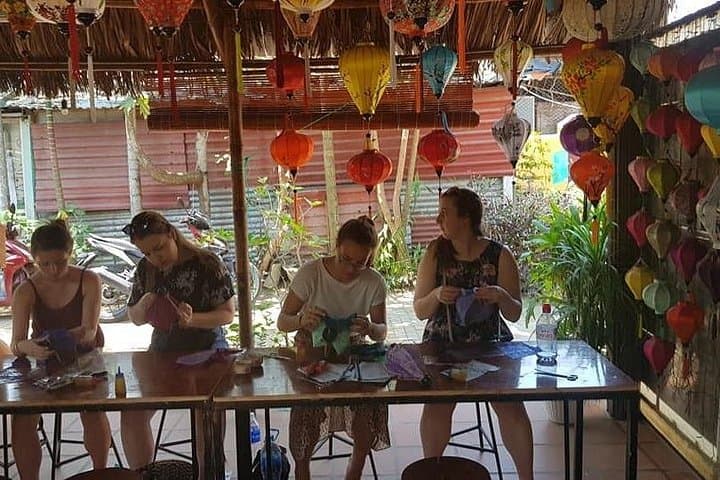
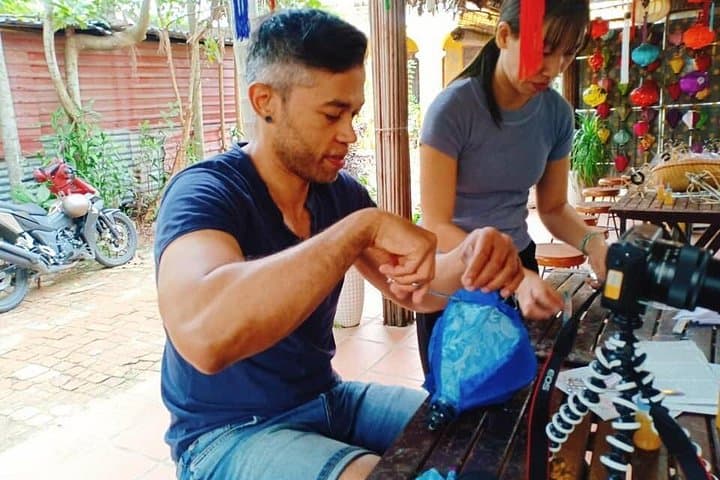
Expect hands-on instruction at a lantern workshop, a silk-weaving house where cocoons are unraveled and threads spun, then a working visit to Tra Que with a family who demonstrate fertilizing, sowing and watering. The pace is gentle and accessible: most movement is short walks between sites and standing activities.
Practical notes: bring sun protection, a camera, and shoes you don’t mind getting a little muddy; the village work can include kneeling and light lifting. Tours typically take five hours and include bottled water, lunch (local noodle), entrance fees and an English-speaking guide. Morning departures avoid midday heat and give better light for photos. This is a cultural half-day that rewards curiosity and willingness to get your hands dirty.
Yes — the itinerary is family-friendly; activities are gentle and guides can adapt tasks for younger participants.
Yes — guests make and typically keep their lantern as a souvenir; materials and packing are usually included.
Yes — private car or minivan pickup from Hoi An or Da Nang hotels is included; some operators offer bicycle options with helmets.
Lunch (local noodle) and bottled water are included in the tour price, along with entrance fees and guide services.
Private Tourguides in Da Nang Hoi An Hue operates guided outdoor trips and adventures with an emphasis on safety, stewardship, and memorable experiences.
Early sunlight slips across rice paddies and the air tastes faintly of seaweed — that’s the first thing you notice arriving at Tra Que, a compact green village a few minutes from Hoi An’s ancient town. The tour moves at a deliberate, tactile pace: you’ll press handfuls of damp soil, stomp seaweed fertilizer with locals, and learn the rhythmic motions of traditional watering cans before sitting down to a bowl of simple local noodles.
Early sunlight slips across rice paddies and the air tastes faintly of seaweed — that’s the first thing you notice arriving at Tra Que, a compact green village a few minutes from Hoi An’s ancient town. The tour moves at a deliberate, tactile pace: you’ll press handfuls of damp soil, stomp seaweed fertilizer with locals, and learn the rhythmic motions of traditional watering cans before sitting down to a bowl of simple local noodles.
This loop combines living craft and living agriculture. Hoi An’s lantern tradition dates to its days as a trading port; silk weaving here preserves techniques linked to Champa-era motifs and local mulberry cultivation. The landscape is low and flat — alluvial soils fed by the Thu Bon River — so the day is more about touch and texture than elevation or sweat.
Expect hands-on instruction at a lantern workshop, a silk-weaving house where cocoons are unraveled and threads spun, then a working visit to Tra Que with a family who demonstrate fertilizing, sowing and watering. The pace is gentle and accessible: most movement is short walks between sites and standing activities.
Practical notes: bring sun protection, a camera, and shoes you don’t mind getting a little muddy; the village work can include kneeling and light lifting. Tours typically take five hours and include bottled water, lunch (local noodle), entrance fees and an English-speaking guide. Morning departures avoid midday heat and give better light for photos. This is a cultural half-day that rewards curiosity and willingness to get your hands dirty.