THE ADVENTURE COLLECTIVE® · Independent discovery and booking for outdoor travel

Learn authentic Japanese techniques in Yoshiko’s North London kitchen: a focused, two-hour class where you’ll master sushi rice, a maki roll, a meat or fish dish, and a seasoned vegetable plate, finished with sake and mugi cha. Small groups keep the lesson personal and practical.
Learn authentic Japanese techniques in Yoshiko’s North London kitchen: a focused, two-hour class where you’ll master sushi rice, a maki roll, a meat or fish dish, and a seasoned vegetable plate, finished with sake and mugi cha. Small groups keep the lesson personal and practical.
Stepping into Yoshiko’s North London kitchen feels like entering a small, disciplined workshop: rice steam clouds the air, a bamboo rolling mat sits ready, and the city hums beyond the window. The two-hour, hands-on class guides small groups (2–6) through rice preparation, a maki roll, a meat or fish main, and a seasoned vegetable dish — finished with a taste of chilled sake and unlimited mugi cha.
Verified experiences and guided adventures in the surrounding area.
Operated by eatwith · London, England
Stepping into Yoshiko’s North London kitchen feels like entering a small, disciplined workshop: rice steam clouds the air, a bamboo rolling mat sits ready, and the city hums beyond the window. The two-hour, hands-on class guides small groups (2–6) through rice preparation, a maki roll, a meat or fish main, and a seasoned vegetable dish — finished with a taste of chilled sake and unlimited mugi cha.
Japanese cuisine traces a long arc from regional eras of preservation, fermentation, and rice cultivation to the refined techniques seen today. In London, home kitchens and supermarket ingredients have become a bridge for authentic flavors adapted to local produce. Geologically, the class takes place in the urban bed of London clay — an unassuming substratum that shapes the city’s parks and market gardens rather than the food itself.
Culturally the lesson emphasizes precision: rice that holds its shape, sauces balanced between salty and umami, and knife work that respects texture. Locally, North London’s food markets and Japanese grocers make it easy to source nori, rice vinegar, and mirin for later practice.
Practically, the class is beginner-friendly but demands attention to technique; wear comfortable shoes, keep an eye on timing for rice cooking, and communicate allergies ahead of time. The full address is provided on your confirmation voucher; public transport options are nearby. Expect a focused, tactile experience that leaves you with skills, recipes, and a small feast to enjoy on-site or take home.
Yes — the menu can be adapted: vegetarian options include tofu or vegetable mains and vegetarian maki; indicate dietary preferences when booking.
Yes — participants may dine in or take their creations home; bring a container if you plan to transport food.
No — the class is aimed at beginners and covers rice preparation, rolling technique, and basic knife skills.
The full address is provided on your confirmation voucher under the 'Before You Go' section; public transport is nearby.
eatwith operates guided outdoor trips and adventures with an emphasis on safety, stewardship, and memorable experiences.
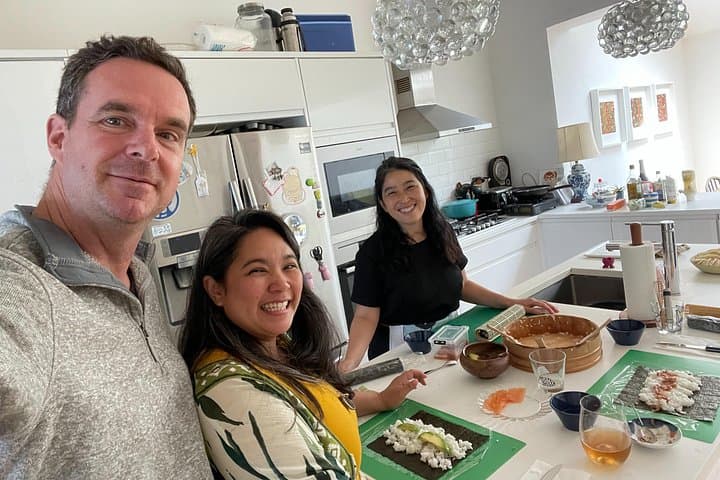
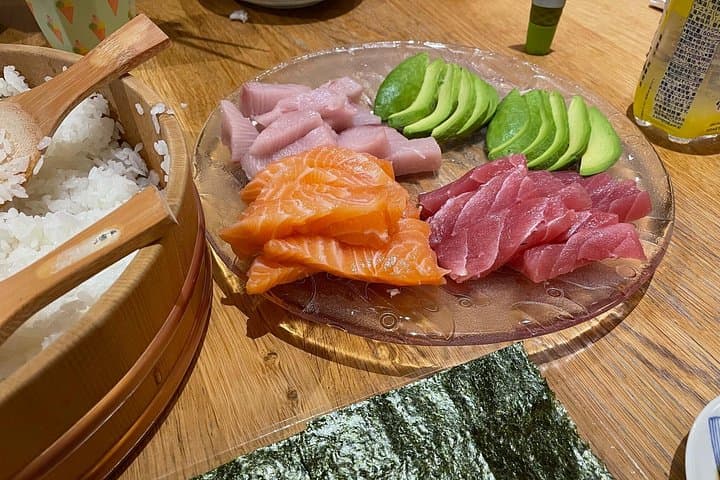
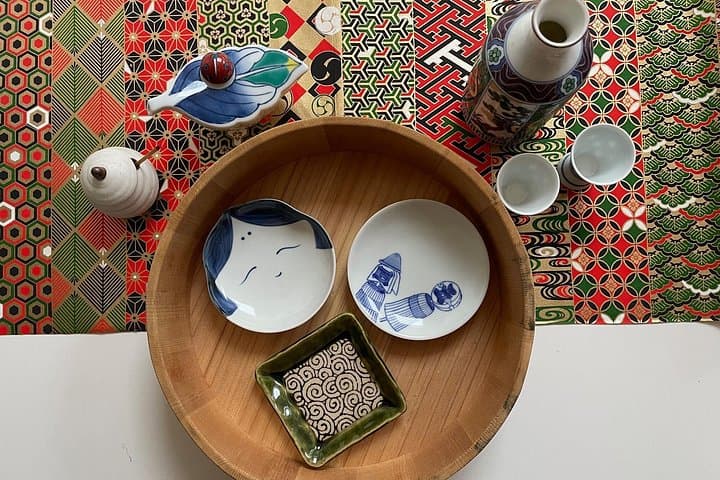
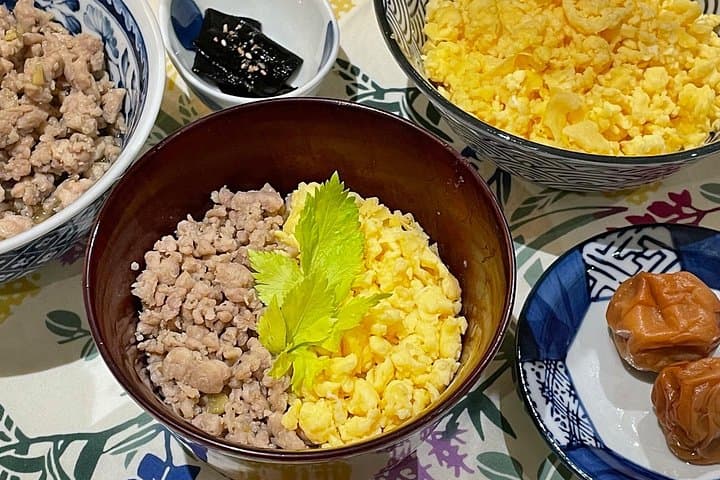
Stepping into Yoshiko’s North London kitchen feels like entering a small, disciplined workshop: rice steam clouds the air, a bamboo rolling mat sits ready, and the city hums beyond the window. The two-hour, hands-on class guides small groups (2–6) through rice preparation, a maki roll, a meat or fish main, and a seasoned vegetable dish — finished with a taste of chilled sake and unlimited mugi cha.
Stepping into Yoshiko’s North London kitchen feels like entering a small, disciplined workshop: rice steam clouds the air, a bamboo rolling mat sits ready, and the city hums beyond the window. The two-hour, hands-on class guides small groups (2–6) through rice preparation, a maki roll, a meat or fish main, and a seasoned vegetable dish — finished with a taste of chilled sake and unlimited mugi cha.
Japanese cuisine traces a long arc from regional eras of preservation, fermentation, and rice cultivation to the refined techniques seen today. In London, home kitchens and supermarket ingredients have become a bridge for authentic flavors adapted to local produce. Geologically, the class takes place in the urban bed of London clay — an unassuming substratum that shapes the city’s parks and market gardens rather than the food itself.
Culturally the lesson emphasizes precision: rice that holds its shape, sauces balanced between salty and umami, and knife work that respects texture. Locally, North London’s food markets and Japanese grocers make it easy to source nori, rice vinegar, and mirin for later practice.
Practically, the class is beginner-friendly but demands attention to technique; wear comfortable shoes, keep an eye on timing for rice cooking, and communicate allergies ahead of time. The full address is provided on your confirmation voucher; public transport options are nearby. Expect a focused, tactile experience that leaves you with skills, recipes, and a small feast to enjoy on-site or take home.