THE ADVENTURE COLLECTIVE® · Independent discovery and booking for outdoor travel

Swap a walking tour for a hands-on kitchen session in Charleston’s French Quarter. Learn three authentic Lowcountry dishes while you chop, mix, and taste with a local culinary expert.
Swap a walking tour for a hands-on kitchen session in Charleston’s French Quarter. Learn three authentic Lowcountry dishes while you chop, mix, and taste with a local culinary expert.
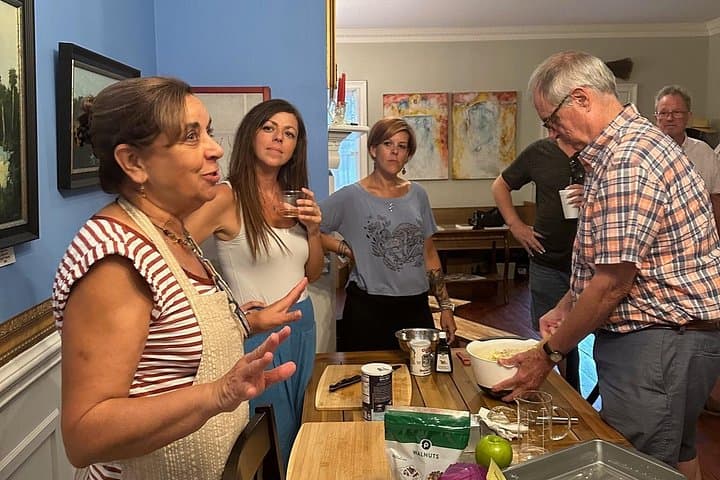
Step through an iron gate into a sunlit courtyard and the air fills with the scent of butter, simmering stock, and hot cast iron. In a compact 19th-century kitchen space in Charleston’s French Quarter, participants trade sightseeing for chopping boards and listen as an experienced Lowcountry instructor explains the next technique.
Verified experiences and guided adventures in the surrounding area.
Operated by Charleston Culinary Tours · Charleston, South Carolina
Step through an iron gate into a sunlit courtyard and the air fills with the scent of butter, simmering stock, and hot cast iron. In a compact 19th-century kitchen space in Charleston’s French Quarter, participants trade sightseeing for chopping boards and listen as an experienced Lowcountry instructor explains the next technique.
The class traces the port city’s culinary lineage — West African, British, French Huguenot and Indigenous influences — that shaped staples like pimento cheese, red rice and cobbler. Geology and place show up in the food: tidal marshes and rice culture defined the rhythms of harvest and salt in regional flavors, while the harbor’s trade introduced spices and techniques long ago.
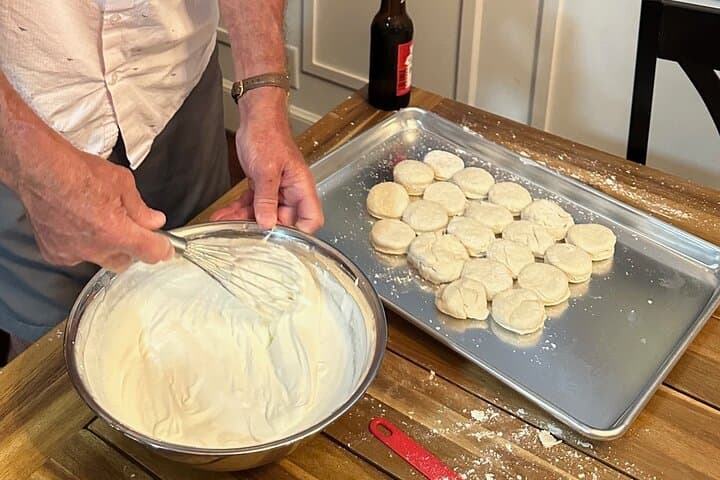
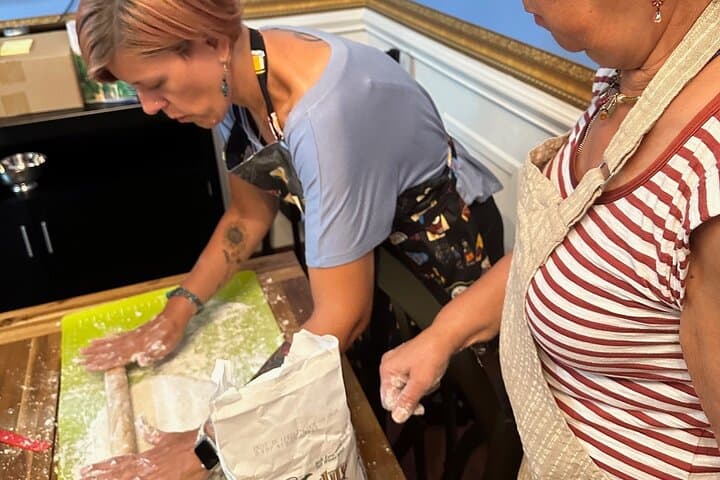
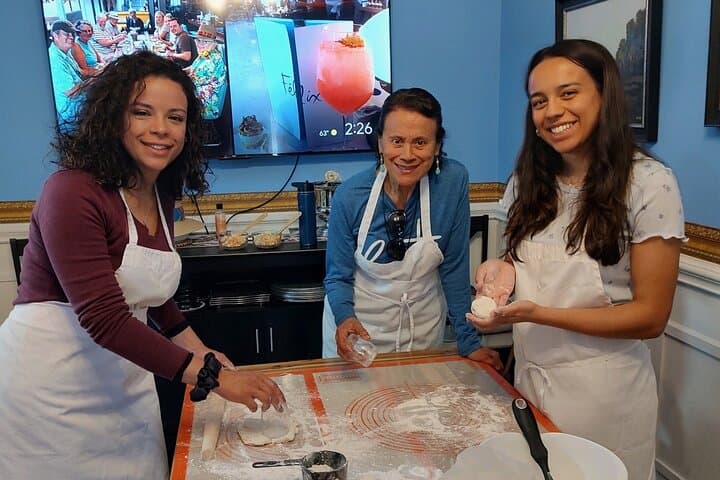
Culturally, the workshop highlights practical storytelling: recipes are loaded with local context, seasonal substitutions and nods to Gullah traditions. The experience is hands-on; small teams prep three regional dishes, then sit in the dining room over coffee and talk through technique and history.
Practically, expect two hours of standing and active work, supplies provided, menus that rotate by AM/PM sessions, and a class capped at about 16 people. Wear closed-toe shoes, bring allergy info, and arrive 10–15 minutes early for orientation. The venue is wheelchair accessible and near public transit, but spaces fill quickly during peak tourist season.
This is not haute cuisine — it’s a focused, sensory lesson in Lowcountry basics that leaves you with replicable recipes, clearer knife skills, and a better sense of Charleston’s foodways.
No — the class is designed for beginners and intermediate cooks; instructors guide each technique step by step.
Yes — samples or full portions of the prepared dishes are shared with the group, along with coffee or tea.
Yes — the French Quarter location is close to downtown transit and is wheelchair accessible; note any mobility needs when booking.
Full refund available if you cancel at least 24 hours before the scheduled start time; last-minute cancellations are non-refundable.
Charleston Culinary Tours operates guided outdoor trips and adventures with an emphasis on safety, stewardship, and memorable experiences.
Step through an iron gate into a sunlit courtyard and the air fills with the scent of butter, simmering stock, and hot cast iron. In a compact 19th-century kitchen space in Charleston’s French Quarter, participants trade sightseeing for chopping boards and listen as an experienced Lowcountry instructor explains the next technique.
Step through an iron gate into a sunlit courtyard and the air fills with the scent of butter, simmering stock, and hot cast iron. In a compact 19th-century kitchen space in Charleston’s French Quarter, participants trade sightseeing for chopping boards and listen as an experienced Lowcountry instructor explains the next technique.
The class traces the port city’s culinary lineage — West African, British, French Huguenot and Indigenous influences — that shaped staples like pimento cheese, red rice and cobbler. Geology and place show up in the food: tidal marshes and rice culture defined the rhythms of harvest and salt in regional flavors, while the harbor’s trade introduced spices and techniques long ago.
Culturally, the workshop highlights practical storytelling: recipes are loaded with local context, seasonal substitutions and nods to Gullah traditions. The experience is hands-on; small teams prep three regional dishes, then sit in the dining room over coffee and talk through technique and history.
Practically, expect two hours of standing and active work, supplies provided, menus that rotate by AM/PM sessions, and a class capped at about 16 people. Wear closed-toe shoes, bring allergy info, and arrive 10–15 minutes early for orientation. The venue is wheelchair accessible and near public transit, but spaces fill quickly during peak tourist season.
This is not haute cuisine — it’s a focused, sensory lesson in Lowcountry basics that leaves you with replicable recipes, clearer knife skills, and a better sense of Charleston’s foodways.