THE ADVENTURE COLLECTIVE® · Independent discovery and booking for outdoor travel

Wield a reconstructed sarissa under the guidance of an archaeologist and practice the formations that powered Alexander’s phalanx. This two-hour, hands-on class near Thessaloniki combines living history, practical drills and local flavors.
Wield a reconstructed sarissa under the guidance of an archaeologist and practice the formations that powered Alexander’s phalanx. This two-hour, hands-on class near Thessaloniki combines living history, practical drills and local flavors.
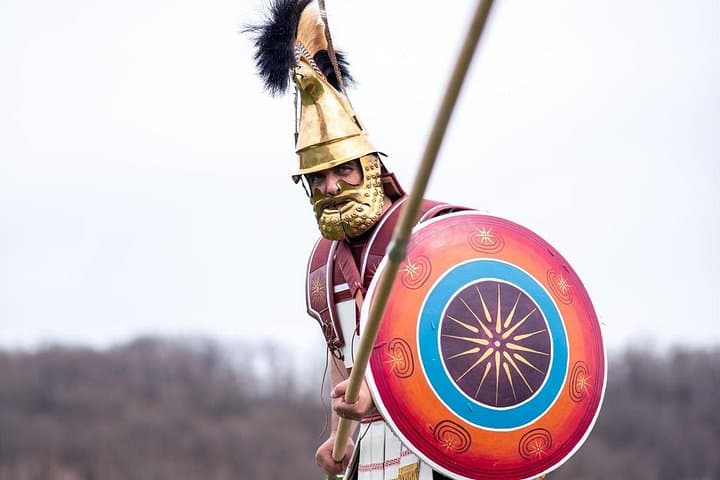
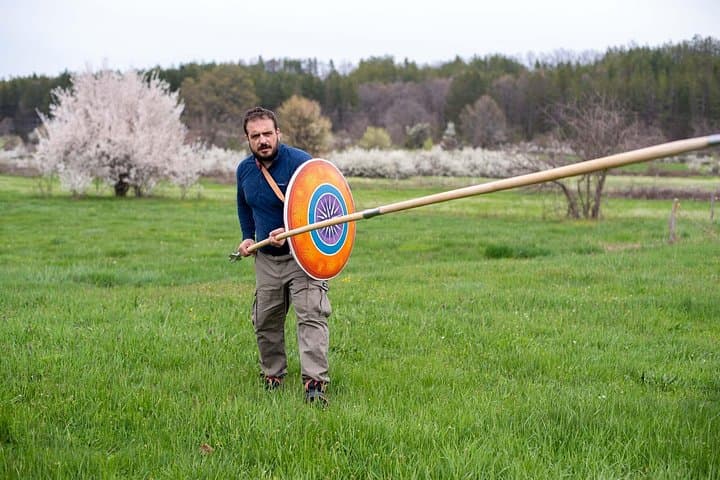
A hot Aegean wind lifts dust from flagstones as a specialist archaeologist straps a reconstructed linothorax across your shoulders and passes you a sarissa — the two- to six-meter pike that changed ancient battlefields.
Verified experiences and guided adventures in the surrounding area.
Operated by Living History GR · Thessaloniki, Central Macedonia
A hot Aegean wind lifts dust from flagstones as a specialist archaeologist straps a reconstructed linothorax across your shoulders and passes you a sarissa — the two- to six-meter pike that changed ancient battlefields.
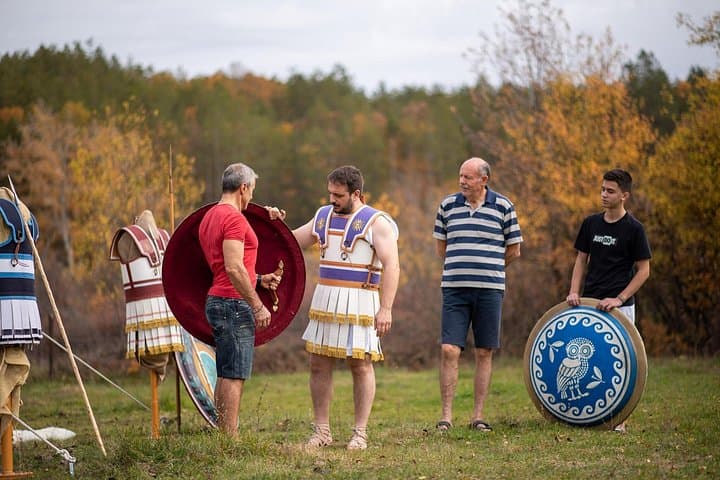
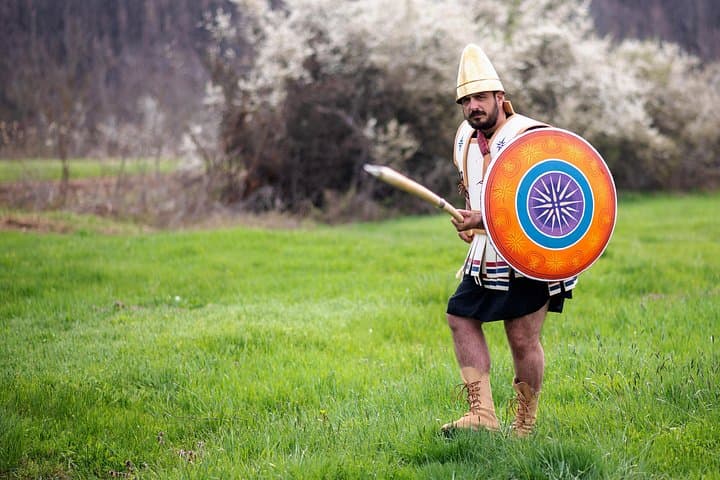
This two-hour, hands-on session traces the sarissa’s evolution from timber shaft to mass-produced Hellenistic spear. You’ll learn basic grips, staggered phalanx footwork and how the pike worked in formation, all using historically informed reconstructions: linen armor, helmets and a phalangite shield. The instruction blends experimental archaeology with local context — Macedonia’s rolling plains, river terraces and supply routes shaped why long pikes dominated here from the 4th–2nd centuries BCE.
Culturally, the class links martial practice to daily life: snacks served in replicated pottery (olives, figs, barley rusks) and a small pour of regional Macedonian wine recall how communities provisioned troops. Geology and terrain are woven into drills — flat plains favor long lines, while nearby hills demanded flexible formations.
Practical notes: the activity runs about 120 minutes, is wheelchair accessible in staging areas, and requires moderate fitness; it’s not recommended for pregnant guests or those with spinal injuries. Wear sturdy shoes, bring sunscreen and a refillable water bottle (bottled water provided). Photography time is built into the session; instructors prioritize safe handling and spacing when pikes are in use.
Whether you come for living-history insight or to feel how a phalangite held a sarissa, the training is direct, tactile and rooted in place — a compact cultural workout that puts ancient Macedonia in your hands.
No — the session is structured for beginners with step-by-step instruction and historically informed safety practices.
Participants use high-quality reconstructed sarissae and clothing based on archaeological and experimental research rather than original artifacts.
Participants should have moderate physical ability; minors may be allowed with adult supervision—check with the operator when booking.
The provider may cancel in poor weather for safety; check the cancellation policy and rebooking options when you reserve.
Living History GR operates guided outdoor trips and adventures with an emphasis on safety, stewardship, and memorable experiences.
A hot Aegean wind lifts dust from flagstones as a specialist archaeologist straps a reconstructed linothorax across your shoulders and passes you a sarissa — the two- to six-meter pike that changed ancient battlefields.
A hot Aegean wind lifts dust from flagstones as a specialist archaeologist straps a reconstructed linothorax across your shoulders and passes you a sarissa — the two- to six-meter pike that changed ancient battlefields.
This two-hour, hands-on session traces the sarissa’s evolution from timber shaft to mass-produced Hellenistic spear. You’ll learn basic grips, staggered phalanx footwork and how the pike worked in formation, all using historically informed reconstructions: linen armor, helmets and a phalangite shield. The instruction blends experimental archaeology with local context — Macedonia’s rolling plains, river terraces and supply routes shaped why long pikes dominated here from the 4th–2nd centuries BCE.
Culturally, the class links martial practice to daily life: snacks served in replicated pottery (olives, figs, barley rusks) and a small pour of regional Macedonian wine recall how communities provisioned troops. Geology and terrain are woven into drills — flat plains favor long lines, while nearby hills demanded flexible formations.
Practical notes: the activity runs about 120 minutes, is wheelchair accessible in staging areas, and requires moderate fitness; it’s not recommended for pregnant guests or those with spinal injuries. Wear sturdy shoes, bring sunscreen and a refillable water bottle (bottled water provided). Photography time is built into the session; instructors prioritize safe handling and spacing when pikes are in use.
Whether you come for living-history insight or to feel how a phalangite held a sarissa, the training is direct, tactile and rooted in place — a compact cultural workout that puts ancient Macedonia in your hands.