THE ADVENTURE COLLECTIVE® · Independent discovery and booking for outdoor travel

Forge your own keepsake in a private Tennessee workshop—learn basic smelting, pour an ingot and coin, then polish and personalize your creation. This guided two-hour class blends practical safety instruction with hands-on casting and themed coin options.
Forge your own keepsake in a private Tennessee workshop—learn basic smelting, pour an ingot and coin, then polish and personalize your creation. This guided two-hour class blends practical safety instruction with hands-on casting and themed coin options.
You step onto a small gravel drive, the smell of cut grass and a faint hum of a propane burner in the distance. On a sunny Tennessee afternoon the workshop sits on five acres—a practical, workmanlike space with a single furnace at its heart. The instructor walks you through the gear, and suddenly the dull clink of metal becomes a promise: molten silver-gray flowing into a mold, then cooling into something you made.
Verified experiences and guided adventures in the surrounding area.
Operated by Herbert Rosenbaum · Nashville, Tennessee
You step onto a small gravel drive, the smell of cut grass and a faint hum of a propane burner in the distance. On a sunny Tennessee afternoon the workshop sits on five acres—a practical, workmanlike space with a single furnace at its heart. The instructor walks you through the gear, and suddenly the dull clink of metal becomes a promise: molten silver-gray flowing into a mold, then cooling into something you made.
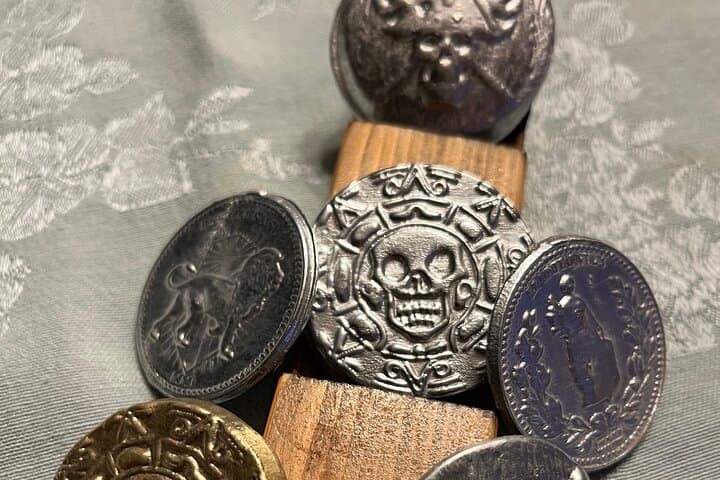
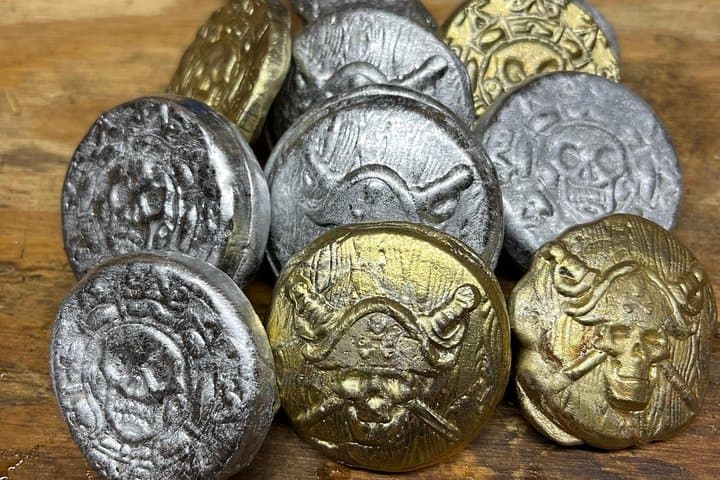
Smelting has deep roots in Appalachia; early Tennessee industry included small iron forges and foundries that supplied farms and rail lines. Geologically, Tennessee’s soils carry minerals that historically supported local blacksmithing culture, and the hands-on craft nods to that regional heritage. Culturally the class blends maker-space camaraderie with cinematic novelty—options to cast themed coins (pirate doubloons, John Wick coins, Star Wars credits) add a playful twist to a traditional process.
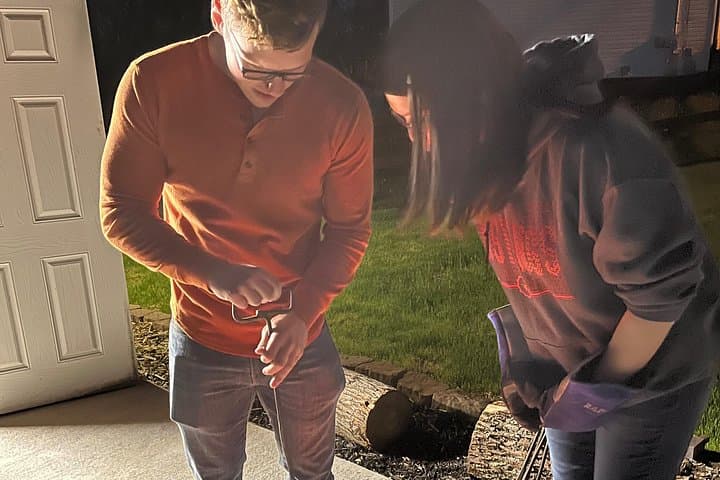
Practical guidance: plan 2 hours, arrive in closed-toe shoes and long pants, and expect glove-and-eye protection to be provided. The instructor covers metal safety, fluxing to remove impurities, and basic finishing so you can polish a coin and keep the ingot you cast. This private session accommodates single bookings and is wheelchair accessible; it’s suitable for most fitness levels but not for people with certain spinal injuries. If you have a specific coin design in mind, request it ahead of time so the host can set the molds. The experience is tactile, surprisingly smoky-sweet, and best enjoyed with curiosity and common-sense precautions.
Families can inquire directly, but participants should be old enough to follow safety instructions; children are typically supervised and a guardian must be present.
Yes — the host supplies all safety equipment, metal, gas, and smelting tools needed for the session.
Yes — the listing indicates wheelchair accessibility for surfaces and transportation options; notify the host of any access needs when booking.
The instructor handles metal recycling and proper disposal; small-scale workshops generally collect and recycle aluminum and other common casting scraps.
Herbert Rosenbaum operates guided outdoor trips and adventures with an emphasis on safety, stewardship, and memorable experiences.
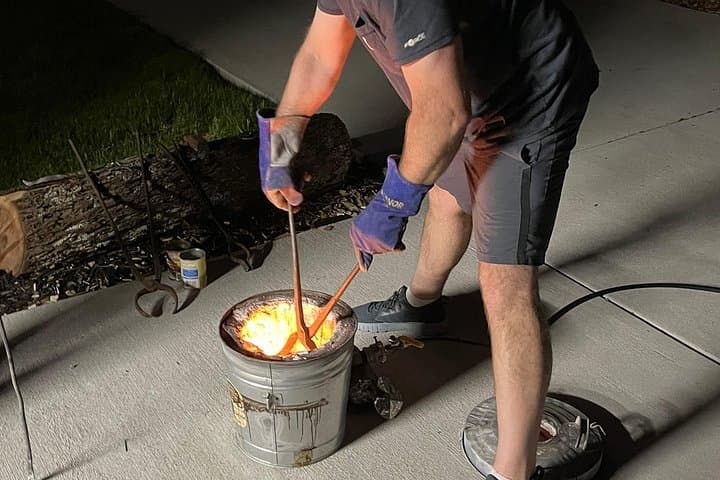
You step onto a small gravel drive, the smell of cut grass and a faint hum of a propane burner in the distance. On a sunny Tennessee afternoon the workshop sits on five acres—a practical, workmanlike space with a single furnace at its heart. The instructor walks you through the gear, and suddenly the dull clink of metal becomes a promise: molten silver-gray flowing into a mold, then cooling into something you made.
You step onto a small gravel drive, the smell of cut grass and a faint hum of a propane burner in the distance. On a sunny Tennessee afternoon the workshop sits on five acres—a practical, workmanlike space with a single furnace at its heart. The instructor walks you through the gear, and suddenly the dull clink of metal becomes a promise: molten silver-gray flowing into a mold, then cooling into something you made.
Smelting has deep roots in Appalachia; early Tennessee industry included small iron forges and foundries that supplied farms and rail lines. Geologically, Tennessee’s soils carry minerals that historically supported local blacksmithing culture, and the hands-on craft nods to that regional heritage. Culturally the class blends maker-space camaraderie with cinematic novelty—options to cast themed coins (pirate doubloons, John Wick coins, Star Wars credits) add a playful twist to a traditional process.
Practical guidance: plan 2 hours, arrive in closed-toe shoes and long pants, and expect glove-and-eye protection to be provided. The instructor covers metal safety, fluxing to remove impurities, and basic finishing so you can polish a coin and keep the ingot you cast. This private session accommodates single bookings and is wheelchair accessible; it’s suitable for most fitness levels but not for people with certain spinal injuries. If you have a specific coin design in mind, request it ahead of time so the host can set the molds. The experience is tactile, surprisingly smoky-sweet, and best enjoyed with curiosity and common-sense precautions.