THE ADVENTURE COLLECTIVE® · Independent discovery and booking for outdoor travel

Roll up your sleeves in the French Quarter and learn to make gumbo, jambalaya, and Bananas Foster in a lively three-hour class. Small groups, local beer and wine, and recipes to take home make this a practical, flavorful way to taste New Orleans culture.
Roll up your sleeves in the French Quarter and learn to make gumbo, jambalaya, and Bananas Foster in a lively three-hour class. Small groups, local beer and wine, and recipes to take home make this a practical, flavorful way to taste New Orleans culture.
Push open the door at 524 St. Louis Street and the city greets you with warm spice and louder voices: a chef’s laugh, a pot’s steady simmer, and the low thrum of jazz drifting in from the street. In this three-hour, hands-on class in the French Quarter you don’t watch— you cook. Paired on five cooktops with no more than nine other people, you chop, stir, season and build an authentic Louisiana meal from starter to dessert under an experienced local chef’s direction.
Verified experiences and guided adventures in the surrounding area.
Operated by New Orleans School of Cooking · New Orleans, Louisiana
Push open the door at 524 St. Louis Street and the city greets you with warm spice and louder voices: a chef’s laugh, a pot’s steady simmer, and the low thrum of jazz drifting in from the street. In this three-hour, hands-on class in the French Quarter you don’t watch— you cook. Paired on five cooktops with no more than nine other people, you chop, stir, season and build an authentic Louisiana meal from starter to dessert under an experienced local chef’s direction.
The dishes here are living history. Gumbo and jambalaya carry French, Spanish, African and Native American signatures—filé powder from the Choctaw, okra and roux techniques passed down through Creole kitchens, and rice and spice traditions imported by people on both sides of the Atlantic.
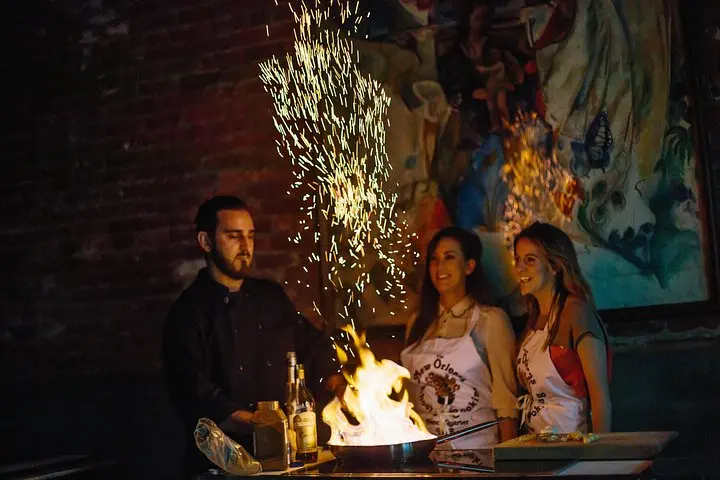
Geography plays a quiet role: the Mississippi River, just blocks away, shaped the port city that funneled ingredients and culture into the Quarter. Even the dishes tell that story—seafood from the delta, sugar from nearby plantations, citrus from Gulf orchards. Bananas Foster, often on the dessert menu, was literally invented in a New Orleans restaurant; it flambés as part of a theatrical finish to a meal learned here.
Culturally the class is conversational as much as culinary. Expect local asides—why Abita Amber is a neighborhood favorite, where to buy fresh file powder, which markets open at dawn—and a gentle nudge toward seasonality and sustainable seafood.
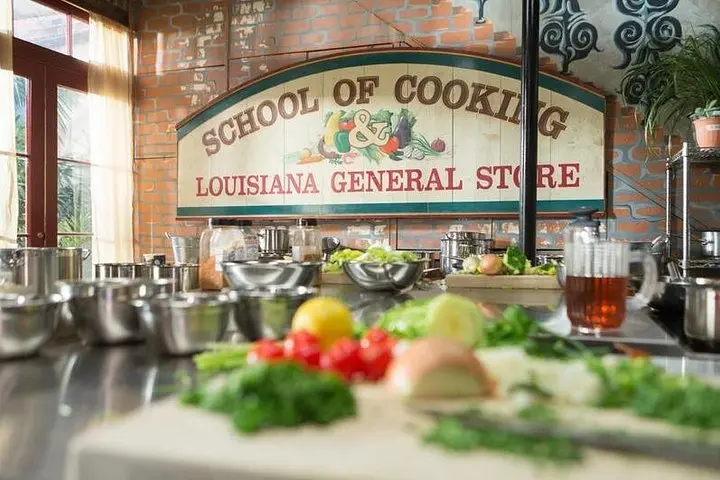
Practicalities are straightforward. Arrive 10–15 minutes early to check in at the New Orleans School of Cooking General Store; the class is wheelchair accessible and casual dress is fine. Everything you need is supplied: recipes, a white apron to take home, and beer or wine during the meal. There’s a $5 fee for special dietary requests, so indicate allergies when booking. Groups are small—maximum 10 people—so this is ideal for solo travelers who enjoy a social table and hands-on learning.
If you want to make the most of the afternoon, wear closed-toe shoes and bring a notebook or phone for recipe photos. Pace yourself on the wine: you’ll be eating what you cook, and portions are generous. The class’s tempo is lively—equal parts instruction, practice, and communal eating—so come ready to participate.
By the end you’ll walk back into the Quarter with a new set of kitchen muscles, a stack of recipes, and an apron smelling faintly of roux. You’ll leave not just with a meal, but with the kind of tactile knowledge that turns tourists into repeat visitors who cook New Orleans at home.
The hands-on class runs three hours and includes cooking instruction plus a sit-down meal.
Yes—groups are small (max 10) and singles are often paired, making it easy to join and meet others.
Yes—advise dietary needs at booking. There is a $5 onsite fee for special requests and some substitutions may be limited.
Yes. The New Orleans School of Cooking location on St. Louis Street is wheelchair accessible.
Price includes hands-on instruction, ingredients, the full meal you cook, a white apron to take home, printed recipes, and beer or wine.
For a full refund cancel at least 24 hours before the scheduled start time; classes may be canceled if minimum numbers aren’t met and you’ll be offered alternatives or a refund.
New Orleans School of Cooking operates guided outdoor trips and adventures with an emphasis on safety, stewardship, and memorable experiences.
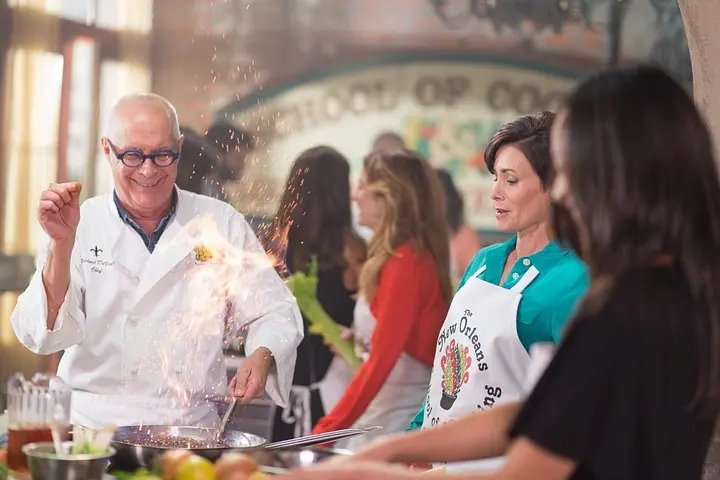
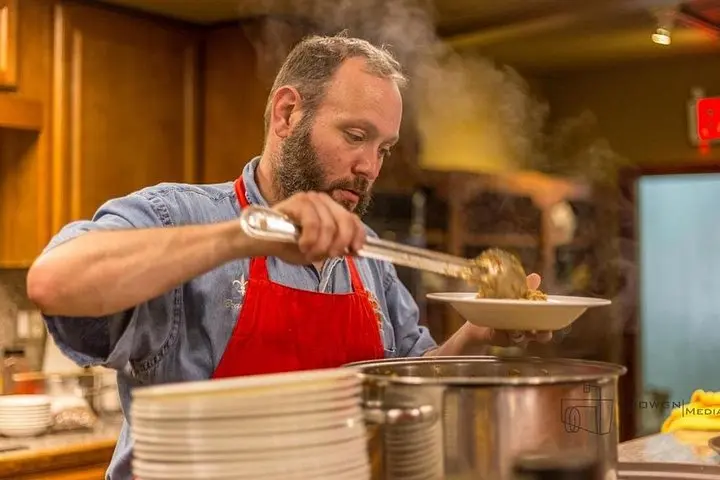
Push open the door at 524 St. Louis Street and the city greets you with warm spice and louder voices: a chef’s laugh, a pot’s steady simmer, and the low thrum of jazz drifting in from the street. In this three-hour, hands-on class in the French Quarter you don’t watch— you cook. Paired on five cooktops with no more than nine other people, you chop, stir, season and build an authentic Louisiana meal from starter to dessert under an experienced local chef’s direction.
Push open the door at 524 St. Louis Street and the city greets you with warm spice and louder voices: a chef’s laugh, a pot’s steady simmer, and the low thrum of jazz drifting in from the street. In this three-hour, hands-on class in the French Quarter you don’t watch— you cook. Paired on five cooktops with no more than nine other people, you chop, stir, season and build an authentic Louisiana meal from starter to dessert under an experienced local chef’s direction.
The dishes here are living history. Gumbo and jambalaya carry French, Spanish, African and Native American signatures—filé powder from the Choctaw, okra and roux techniques passed down through Creole kitchens, and rice and spice traditions imported by people on both sides of the Atlantic.
Geography plays a quiet role: the Mississippi River, just blocks away, shaped the port city that funneled ingredients and culture into the Quarter. Even the dishes tell that story—seafood from the delta, sugar from nearby plantations, citrus from Gulf orchards. Bananas Foster, often on the dessert menu, was literally invented in a New Orleans restaurant; it flambés as part of a theatrical finish to a meal learned here.
Culturally the class is conversational as much as culinary. Expect local asides—why Abita Amber is a neighborhood favorite, where to buy fresh file powder, which markets open at dawn—and a gentle nudge toward seasonality and sustainable seafood.
Practicalities are straightforward. Arrive 10–15 minutes early to check in at the New Orleans School of Cooking General Store; the class is wheelchair accessible and casual dress is fine. Everything you need is supplied: recipes, a white apron to take home, and beer or wine during the meal. There’s a $5 fee for special dietary requests, so indicate allergies when booking. Groups are small—maximum 10 people—so this is ideal for solo travelers who enjoy a social table and hands-on learning.
If you want to make the most of the afternoon, wear closed-toe shoes and bring a notebook or phone for recipe photos. Pace yourself on the wine: you’ll be eating what you cook, and portions are generous. The class’s tempo is lively—equal parts instruction, practice, and communal eating—so come ready to participate.
By the end you’ll walk back into the Quarter with a new set of kitchen muscles, a stack of recipes, and an apron smelling faintly of roux. You’ll leave not just with a meal, but with the kind of tactile knowledge that turns tourists into repeat visitors who cook New Orleans at home.