THE ADVENTURE COLLECTIVE® · Independent discovery and booking for outdoor travel

Spend an hour on a North Island family farm feeding animals, watching wool processed by hand, and selecting a handspun, hand-dyed wool hat to take home. This hands-on visit blends animal interaction with traditional fibercraft in an accessible, family-friendly format.
Spend an hour on a North Island family farm feeding animals, watching wool processed by hand, and selecting a handspun, hand-dyed wool hat to take home. This hands-on visit blends animal interaction with traditional fibercraft in an accessible, family-friendly format.
The morning air smells of lanolin and damp grass as visitors step from the lane onto a working North Island sheep farm. Corriedale sheep graze on rolling pasture while chickens and Scottish Highland cows move like characters in a rural scene—curious, patient, and occasionally insistent when hand-fed.
Verified experiences and guided adventures in the surrounding area.
Operated by Angie · Auckland, Auckland
The morning air smells of lanolin and damp grass as visitors step from the lane onto a working North Island sheep farm. Corriedale sheep graze on rolling pasture while chickens and Scottish Highland cows move like characters in a rural scene—curious, patient, and occasionally insistent when hand-fed.
Sheep farming helped build New Zealand’s economy in the 19th and 20th centuries; the island’s volcanic soils and temperate rain pattern produce lush grass that made wool a natural export. At this small family-run operation guests meet the owner, learn about animal care, and get a close look at breeds that shaped local agriculture. The demonstration covers shearing, washing, hand-dyeing with natural pigments, and hand-spinning—simple technologies that connect fiber to finished garments.
The sensory payoff is immediate: warm fleece, the rhythm of a spinning wheel, and the soft texture of the hat you choose to take home. For families and solo travelers alike the pace is gentle and tactile—less a trek than a hands-on craft workshop set outdoors.
Practical guidance: arrive in shoes you don’t mind getting muddy; farm boots are supplied but a good pair of closed-toe shoes is recommended. Allow an hour for the full visit; expect light bending and short walks around pens. Respect animal handlers’ instructions, rinse hands after feeding, and bring a small camera for close-ups. Bookings often include a printed or mobile ticket and the experience is accessible to most mobility levels. This is a compact, educational taste of Kiwi farm life and a wearable souvenir of the process from fleece to hat.
The activity runs about 60 minutes and includes animal feeding, a wool-processing demonstration, and selecting a handmade hat.
Yes—infants and small children in strollers are permitted, and the experience is family-friendly; follow staff guidance around animals.
The listing notes wheelchair accessibility; surfaces may be uneven in places, so check with the operator if you need assistance.
Yes—the handspun, hand-dyed wool hat made from the farm’s fleece is included for guests to take home after the session.
Angie operates guided outdoor trips and adventures with an emphasis on safety, stewardship, and memorable experiences.
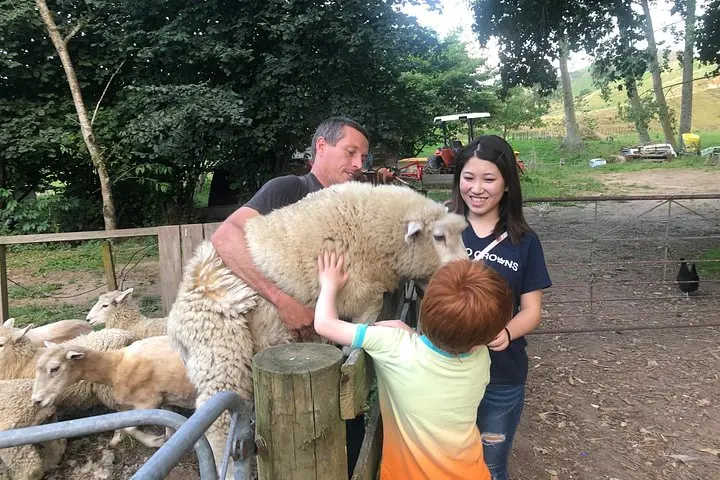
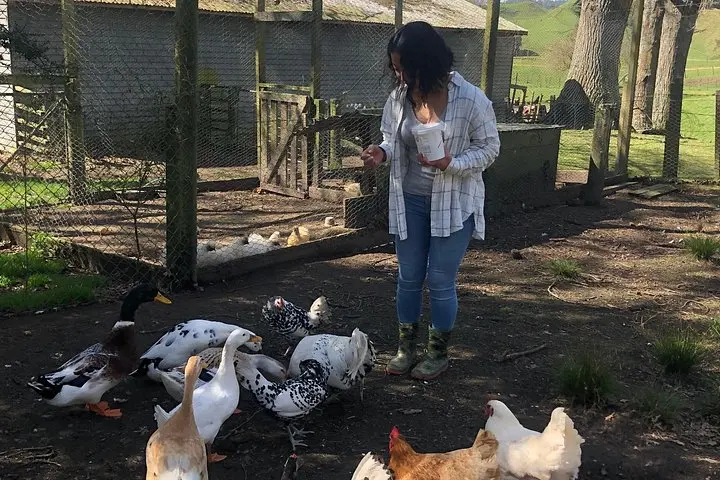
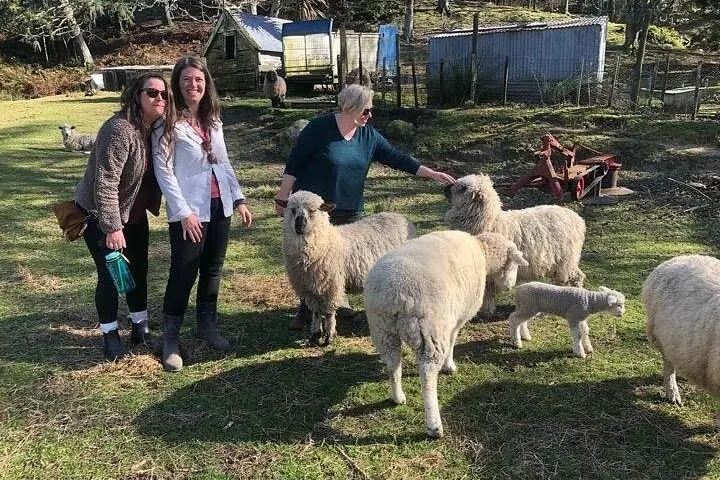
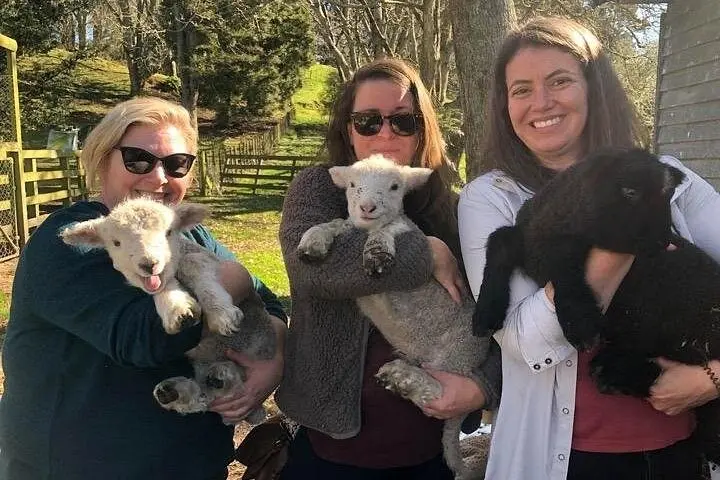
The morning air smells of lanolin and damp grass as visitors step from the lane onto a working North Island sheep farm. Corriedale sheep graze on rolling pasture while chickens and Scottish Highland cows move like characters in a rural scene—curious, patient, and occasionally insistent when hand-fed.
The morning air smells of lanolin and damp grass as visitors step from the lane onto a working North Island sheep farm. Corriedale sheep graze on rolling pasture while chickens and Scottish Highland cows move like characters in a rural scene—curious, patient, and occasionally insistent when hand-fed.
Sheep farming helped build New Zealand’s economy in the 19th and 20th centuries; the island’s volcanic soils and temperate rain pattern produce lush grass that made wool a natural export. At this small family-run operation guests meet the owner, learn about animal care, and get a close look at breeds that shaped local agriculture. The demonstration covers shearing, washing, hand-dyeing with natural pigments, and hand-spinning—simple technologies that connect fiber to finished garments.
The sensory payoff is immediate: warm fleece, the rhythm of a spinning wheel, and the soft texture of the hat you choose to take home. For families and solo travelers alike the pace is gentle and tactile—less a trek than a hands-on craft workshop set outdoors.
Practical guidance: arrive in shoes you don’t mind getting muddy; farm boots are supplied but a good pair of closed-toe shoes is recommended. Allow an hour for the full visit; expect light bending and short walks around pens. Respect animal handlers’ instructions, rinse hands after feeding, and bring a small camera for close-ups. Bookings often include a printed or mobile ticket and the experience is accessible to most mobility levels. This is a compact, educational taste of Kiwi farm life and a wearable souvenir of the process from fleece to hat.