THE ADVENTURE COLLECTIVE® · Independent discovery and booking for outdoor travel

Learn to make fresh pasta and gelato in a hands-on three-hour class in central Florence. This practical session combines technique, local ingredients, and a shared meal—plus a certificate and digital recipes to take home.
Learn to make fresh pasta and gelato in a hands-on three-hour class in central Florence. This practical session combines technique, local ingredients, and a shared meal—plus a certificate and digital recipes to take home.
You step through a low doorway into a bright studio a few minutes' walk from the Arno, flour on the marble benches and the smell of warm butter and vanilla in the air. The chef greets the group, Italian phrases punctuating the rhythm of rolling pins; outside, cobbles glint in the late-afternoon light and the city feels close enough to touch.
Verified experiences and guided adventures in the surrounding area.
Operated by Towns of Italy · Florence, Tuscany
You step through a low doorway into a bright studio a few minutes' walk from the Arno, flour on the marble benches and the smell of warm butter and vanilla in the air. The chef greets the group, Italian phrases punctuating the rhythm of rolling pins; outside, cobbles glint in the late-afternoon light and the city feels close enough to touch.
Florence’s culinary identity grew from regional peasant traditions and Renaissance courts alike: simple, ingredient-driven cooking shaped by nearby Apennine valleys and the river-fed farms along the Arno. Pasta here is an exercise in technique—flour, egg, and muscle—while gelato distills seasonal fruit and dairy into concentrated cold. The class traces those lineages, pairing hands-on lessons with short notes on local sourcing and flavor history.
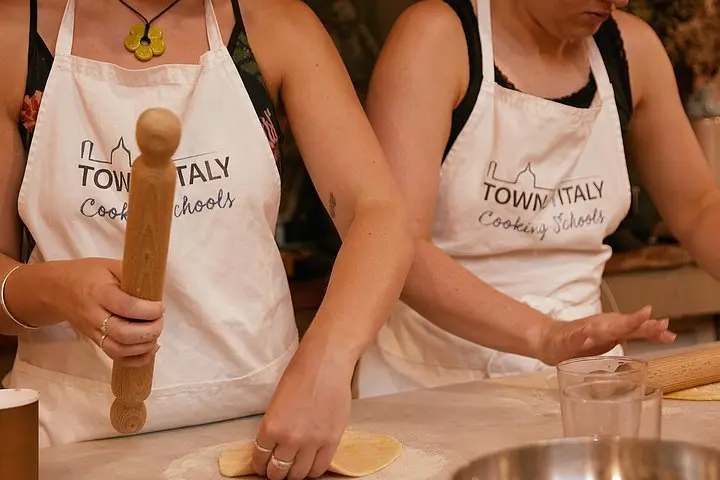
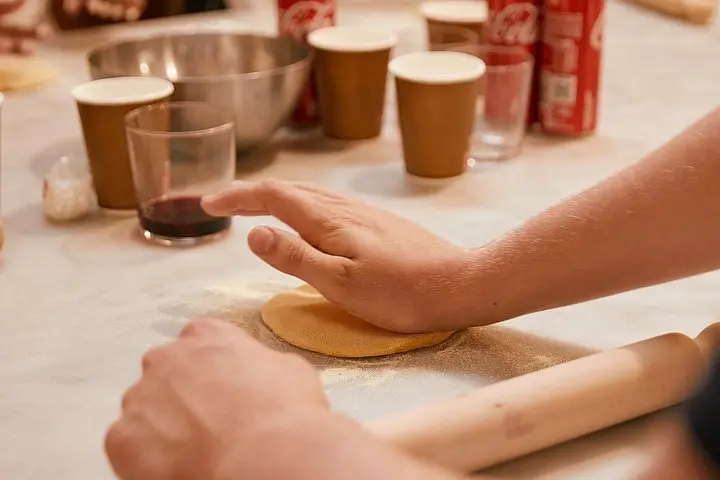
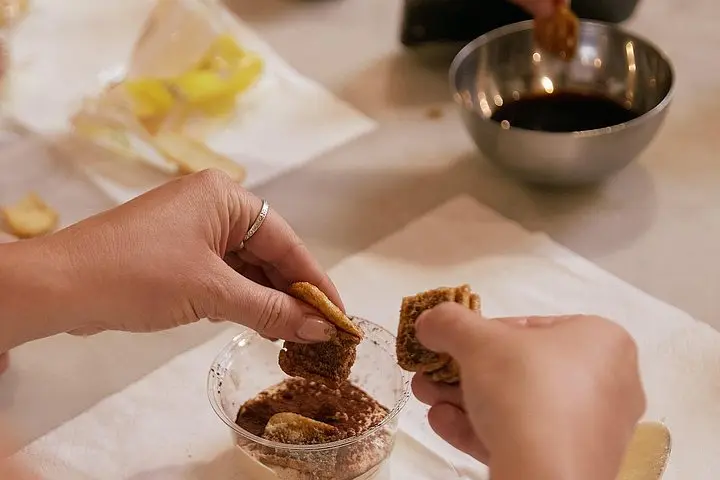
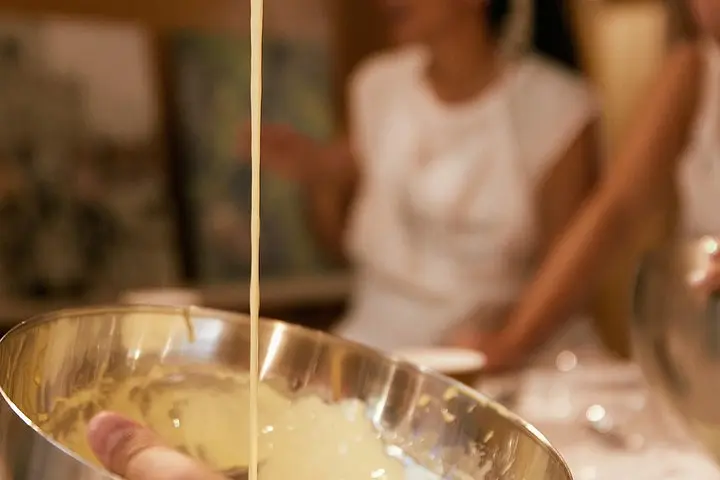
Expect a practical, tactile three-hour session: you’ll learn to mix and knead dough, cut tagliatelle or spaghetti alla chitarra, and prepare a filling for ravioli, then move to gelato basics—custard tempering, flavoring, and rapid chilling. Wine flows during the meal; a digital booklet and a certificate leave you equipped to practice at home. The small-group format keeps instruction personal, and the option to add a market tour deepens the farm-to-table story.
Plan to arrive hungry and ready to knead. Wear comfortable, closed-toe shoes and bring any dietary notes in advance. Timing-wise, mid-morning or late-afternoon classes let you combine the experience with a market visit or an afternoon walk along the river. The reward is clear: a practical kitchen skillset and a plate of your own work, with Florence’s streets waiting for the next taste discovery.
Children and teens under 18 must be accompanied by an adult; the class is family-friendly but check age policies before booking.
Notify the operator in advance of allergies or intolerances; the class can cater to some restrictions but is not suitable for celiac disease.
Classes are typically taught in English with demonstrations by a professional chef; confirm language availability when booking.
Yes — you get a digital booklet of recipes and a graduation certificate at the end of the class.
Towns of Italy operates guided outdoor trips and adventures with an emphasis on safety, stewardship, and memorable experiences.
You step through a low doorway into a bright studio a few minutes' walk from the Arno, flour on the marble benches and the smell of warm butter and vanilla in the air. The chef greets the group, Italian phrases punctuating the rhythm of rolling pins; outside, cobbles glint in the late-afternoon light and the city feels close enough to touch.
You step through a low doorway into a bright studio a few minutes' walk from the Arno, flour on the marble benches and the smell of warm butter and vanilla in the air. The chef greets the group, Italian phrases punctuating the rhythm of rolling pins; outside, cobbles glint in the late-afternoon light and the city feels close enough to touch.
Florence’s culinary identity grew from regional peasant traditions and Renaissance courts alike: simple, ingredient-driven cooking shaped by nearby Apennine valleys and the river-fed farms along the Arno. Pasta here is an exercise in technique—flour, egg, and muscle—while gelato distills seasonal fruit and dairy into concentrated cold. The class traces those lineages, pairing hands-on lessons with short notes on local sourcing and flavor history.
Expect a practical, tactile three-hour session: you’ll learn to mix and knead dough, cut tagliatelle or spaghetti alla chitarra, and prepare a filling for ravioli, then move to gelato basics—custard tempering, flavoring, and rapid chilling. Wine flows during the meal; a digital booklet and a certificate leave you equipped to practice at home. The small-group format keeps instruction personal, and the option to add a market tour deepens the farm-to-table story.
Plan to arrive hungry and ready to knead. Wear comfortable, closed-toe shoes and bring any dietary notes in advance. Timing-wise, mid-morning or late-afternoon classes let you combine the experience with a market visit or an afternoon walk along the river. The reward is clear: a practical kitchen skillset and a plate of your own work, with Florence’s streets waiting for the next taste discovery.