THE ADVENTURE COLLECTIVE® · Independent discovery and booking for outdoor travel

Spend an afternoon in Fontilima learning traditional Cape Verdean pottery. This hands-on workshop lets you shape clay alongside local artisans, see kilns in action, and taste a village snack while discovering the craft's cultural roots.
Spend an afternoon in Fontilima learning traditional Cape Verdean pottery. This hands-on workshop lets you shape clay alongside local artisans, see kilns in action, and taste a village snack while discovering the craft's cultural roots.
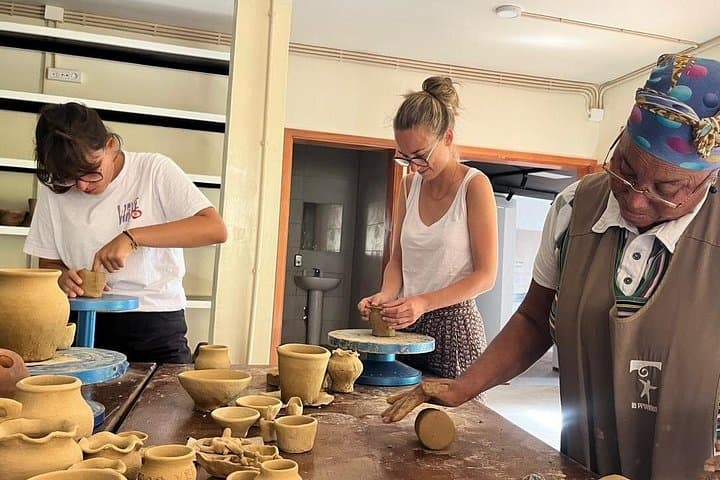
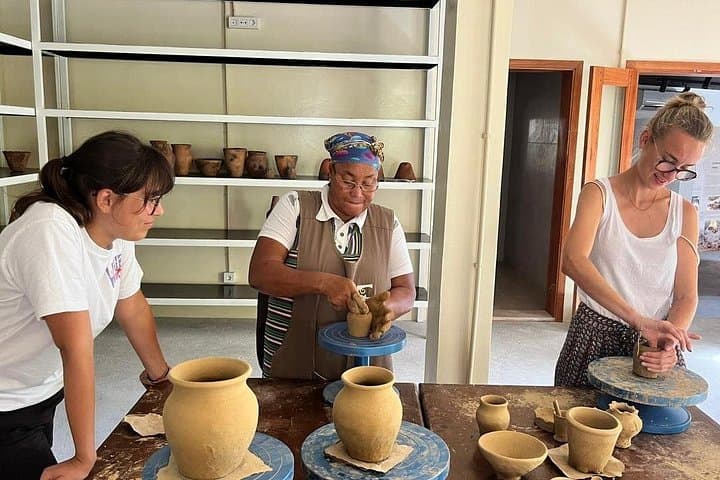
Stepping off the shaded lane into Fontilima, the air smells of damp earth and wood smoke. Clay, still warm from the sun, clings to callused palms as local potters move between low kilns and workbenches—hands shaping vessels with a practiced economy of motion. The village hums gently: a radio, laughter, the steady spin of a wheel.
Verified experiences and guided adventures in the surrounding area.
Operated by RURAL TOURS · Assomada, Santiago
Stepping off the shaded lane into Fontilima, the air smells of damp earth and wood smoke. Clay, still warm from the sun, clings to callused palms as local potters move between low kilns and workbenches—hands shaping vessels with a practiced economy of motion. The village hums gently: a radio, laughter, the steady spin of a wheel.
The olaria of Santiago Island traces techniques back through generations. Clay is dug from nearby deposits, mixed by hand, and fired in simple kilns whose design echoes West African and Portuguese influences. The workshop in Fontilima centers on living craft: visitors watch preparation, try molding a piece under the guidance of an experienced artisan, and learn how functional pottery fit into daily Cape Verdean life.
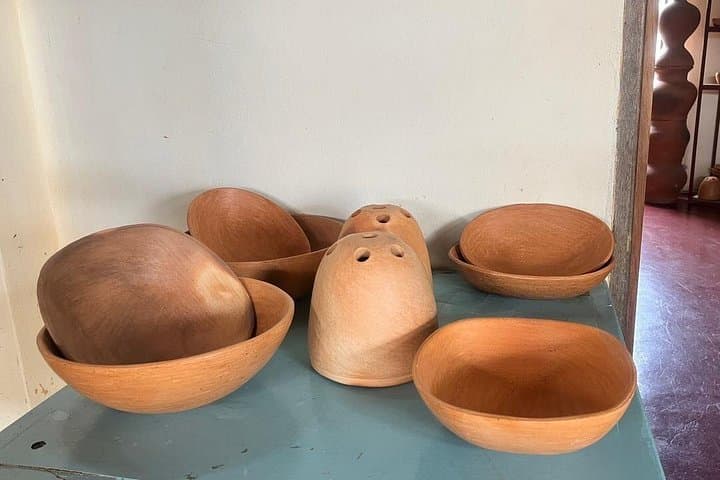
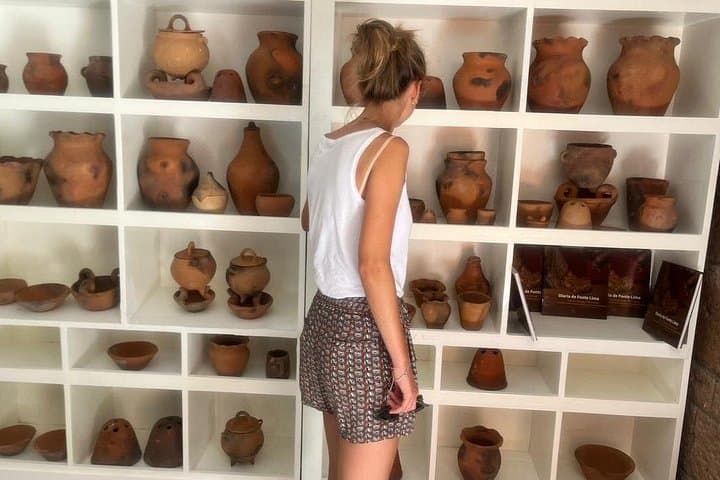
Culturally, many of the instructors are women who inherited patterns and firing secrets; their stories frame how objects become household tools and keepsakes. Geologically, Santiago’s lateritic soils produce a reddish clay suited to low-temperature firing; the result is durable, earthy pottery.
Practically, this is a relaxed, hands-on afternoon. Expect about four hours including private transfer and a simple traditional lunch provided by the village. Wear clothes you don’t mind getting dusty, bring a camera, and plan for moderate sun exposure between buildings. No prior experience is required—participants mold, shape, and decorate, then leave a piece for firing or take a sun-dried item home depending on the organizer’s process. The visit supports local artisans directly, and rewards travelers who enjoy slow, tactile craft and cultural exchange.
No—this is a beginner-friendly workshop; artisans guide participants through molding and basic finishing techniques.
Yes—private air-conditioned transport is listed as included for this excursion; confirm pickup details when booking.
It depends—some items require firing and will be available for pickup or shipping later; others can be sun-dried and taken home immediately. Confirm the organizer’s firing process in advance.
Portuguese and Creole are commonly used; guides may speak basic English but check language options when booking if you need translation.
RURAL TOURS operates guided outdoor trips and adventures with an emphasis on safety, stewardship, and memorable experiences.
Stepping off the shaded lane into Fontilima, the air smells of damp earth and wood smoke. Clay, still warm from the sun, clings to callused palms as local potters move between low kilns and workbenches—hands shaping vessels with a practiced economy of motion. The village hums gently: a radio, laughter, the steady spin of a wheel.
Stepping off the shaded lane into Fontilima, the air smells of damp earth and wood smoke. Clay, still warm from the sun, clings to callused palms as local potters move between low kilns and workbenches—hands shaping vessels with a practiced economy of motion. The village hums gently: a radio, laughter, the steady spin of a wheel.
The olaria of Santiago Island traces techniques back through generations. Clay is dug from nearby deposits, mixed by hand, and fired in simple kilns whose design echoes West African and Portuguese influences. The workshop in Fontilima centers on living craft: visitors watch preparation, try molding a piece under the guidance of an experienced artisan, and learn how functional pottery fit into daily Cape Verdean life.
Culturally, many of the instructors are women who inherited patterns and firing secrets; their stories frame how objects become household tools and keepsakes. Geologically, Santiago’s lateritic soils produce a reddish clay suited to low-temperature firing; the result is durable, earthy pottery.
Practically, this is a relaxed, hands-on afternoon. Expect about four hours including private transfer and a simple traditional lunch provided by the village. Wear clothes you don’t mind getting dusty, bring a camera, and plan for moderate sun exposure between buildings. No prior experience is required—participants mold, shape, and decorate, then leave a piece for firing or take a sun-dried item home depending on the organizer’s process. The visit supports local artisans directly, and rewards travelers who enjoy slow, tactile craft and cultural exchange.