THE ADVENTURE COLLECTIVE® · Independent discovery and booking for outdoor travel

Spend a half- to full-day on a family coffee farm near Muhanga learning to pick, wash, dry, roast and brew beans by hand. This immersive visit combines agricultural technique with local hospitality and a home-cooked lunch.
Spend a half- to full-day on a family coffee farm near Muhanga learning to pick, wash, dry, roast and brew beans by hand. This immersive visit combines agricultural technique with local hospitality and a home-cooked lunch.
Dawn breaks over rolling highland fields as the car eases out of Muhanga and into rows of coffee plants; mist clings to the leaves and the air smells of earth and green cherry. You arrive at a family farm, switch into work clothes, and step into a living process—picking, washing, sun-drying, hand-roasting and finally brewing a cup you helped make.
Verified experiences and guided adventures in the surrounding area.
Operated by Azizi Life · Muhanga, Southern Province
Dawn breaks over rolling highland fields as the car eases out of Muhanga and into rows of coffee plants; mist clings to the leaves and the air smells of earth and green cherry. You arrive at a family farm, switch into work clothes, and step into a living process—picking, washing, sun-drying, hand-roasting and finally brewing a cup you helped make.
Rwandan coffee has deep ties to the 20th century cash-crop economy and to smallholder farms that revived quality production after years of turmoil. The region’s volcanic highlands give the beans sharp acidity and floral notes; terraces and stone walls map how people shaped steep slopes for cultivation. The visit is as much cultural as agricultural: expect conversation about daily life, family meals, and the cooperative structures that bring beans to market.
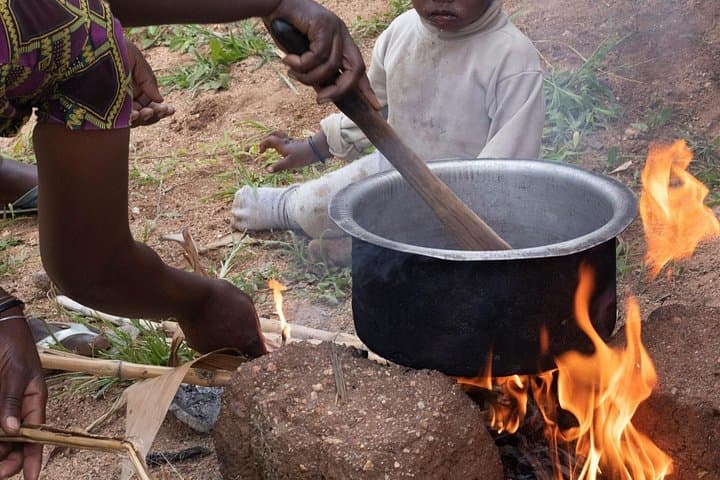
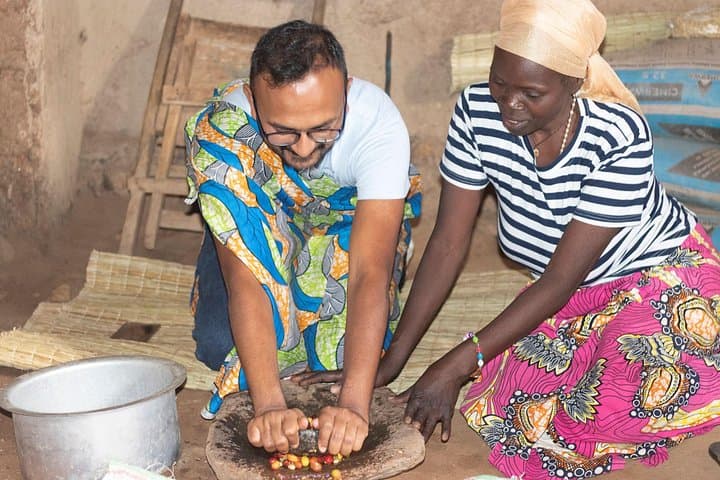
Practically, this is a hands-on, half- to full-day rural immersion. Tasks include bending to pick ripe cherries, carrying water for washing, and using traditional pans and grinders for roast and grind work—uneven ground and manual labor mean moderate fitness is helpful. Lunch is a local meal shared with hosts; bottled water and return transport from Muhanga are included.
Timing tips: start early for cooler picking and brighter drying, bring sun and rain protection, and wear shoes you can scrub. Photography is welcome but ask before shooting portraits. For anyone curious about provenance and process, this experience removes the mystery from cup to plant and leaves you with a clearer sense of how origin shapes flavor.
The tour runs approximately 5 to 8 hours depending on group size and the day’s activities, including travel time from Muhanga.
Children are allowed but must be accompanied by an adult; the operator notes some uneven surfaces and manual tasks that may not suit very young kids.
The operator lists wheelchair accessibility, but parts of the farm have uneven ground—check in advance about which areas are accessible.
Many families and cooperatives sell small quantities of roasted or green beans; bring local currency or ask about arranging purchases through the tour host.
Azizi Life operates guided outdoor trips and adventures with an emphasis on safety, stewardship, and memorable experiences.


Dawn breaks over rolling highland fields as the car eases out of Muhanga and into rows of coffee plants; mist clings to the leaves and the air smells of earth and green cherry. You arrive at a family farm, switch into work clothes, and step into a living process—picking, washing, sun-drying, hand-roasting and finally brewing a cup you helped make.
Dawn breaks over rolling highland fields as the car eases out of Muhanga and into rows of coffee plants; mist clings to the leaves and the air smells of earth and green cherry. You arrive at a family farm, switch into work clothes, and step into a living process—picking, washing, sun-drying, hand-roasting and finally brewing a cup you helped make.
Rwandan coffee has deep ties to the 20th century cash-crop economy and to smallholder farms that revived quality production after years of turmoil. The region’s volcanic highlands give the beans sharp acidity and floral notes; terraces and stone walls map how people shaped steep slopes for cultivation. The visit is as much cultural as agricultural: expect conversation about daily life, family meals, and the cooperative structures that bring beans to market.
Practically, this is a hands-on, half- to full-day rural immersion. Tasks include bending to pick ripe cherries, carrying water for washing, and using traditional pans and grinders for roast and grind work—uneven ground and manual labor mean moderate fitness is helpful. Lunch is a local meal shared with hosts; bottled water and return transport from Muhanga are included.
Timing tips: start early for cooler picking and brighter drying, bring sun and rain protection, and wear shoes you can scrub. Photography is welcome but ask before shooting portraits. For anyone curious about provenance and process, this experience removes the mystery from cup to plant and leaves you with a clearer sense of how origin shapes flavor.