THE ADVENTURE COLLECTIVE® · Independent discovery and booking for outdoor travel

Cook samgyetang and fresh kimchi in a Seoul family kitchen, then test your new skills on a nearby market tour. Small groups, hands-on stations, and recipe postcards make this a practical, memorable culinary lesson.
Cook samgyetang and fresh kimchi in a Seoul family kitchen, then test your new skills on a nearby market tour. Small groups, hands-on stations, and recipe postcards make this a practical, memorable culinary lesson.
The apartment’s kitchen hums like a small theater: a low simmer, the soft clack of porcelain, and the ginseng root sitting like quiet fuel on the counter. In a Seoul neighborhood where glass towers meet low-rise hanok, this three-hour home cooking class puts you at a family table to prepare samgyetang—Korean ginseng chicken soup—and the quick, fresh kimchi that cuts through its richness.
Verified experiences and guided adventures in the surrounding area.
Operated by Four Seasons Cooking Class · Seoul, Seoul
The apartment’s kitchen hums like a small theater: a low simmer, the soft clack of porcelain, and the ginseng root sitting like quiet fuel on the counter. In a Seoul neighborhood where glass towers meet low-rise hanok, this three-hour home cooking class puts you at a family table to prepare samgyetang—Korean ginseng chicken soup—and the quick, fresh kimchi that cuts through its richness.
Korean food history flips between palace banquets and peasant ingenuity; samgyetang itself became popular as a restorative dish centered on locally prized ginseng and sticky rice. The class pairs hands-on technique—stuffing young chicken with rice, timing the broth, and managing kimchi fermentation shortcuts—with cultural context about seasonality and pantry swaps for international cooks.
Expect small-group pacing: individual work stations, direct guidance in English, and traditional pottery for plating. The optional market stroll afterward turns pantry theory into practical shopping—where packaged sauces, dried dongchimi, and ginseng varieties sit side by side.
Practical guidance: wear non-slip shoes and clothes you don’t mind splashing; plan for about three hours including teardown. Ask about dietary restrictions in advance; instructors can suggest ingredient swaps. Bring a small container if you want leftovers, and take notes—the recipe postcards and tea tasting make this both a lesson and a souvenir. Whether you’re a curious home cook or a traveler hunting authentic flavors, the class is a compact, tactile way to learn why certain Korean pantry staples behave the way they do—and how to bring that energy into your own kitchen.
No—ingredients are provided. The optional market tour shows where to buy common items for recreating dishes at home.
The menu centers on chicken and kimchi; inform the host of dietary needs at booking so substitutions can be arranged when possible.
Maximum of four participants for individualized, hands-on instruction.
Yes—participants receive recipe postcards and guidance on ingredient replacements for international cooks.
Four Seasons Cooking Class operates guided outdoor trips and adventures with an emphasis on safety, stewardship, and memorable experiences.
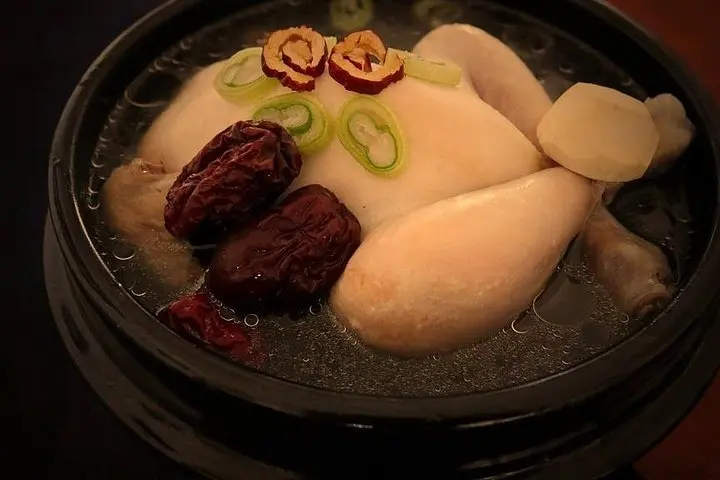
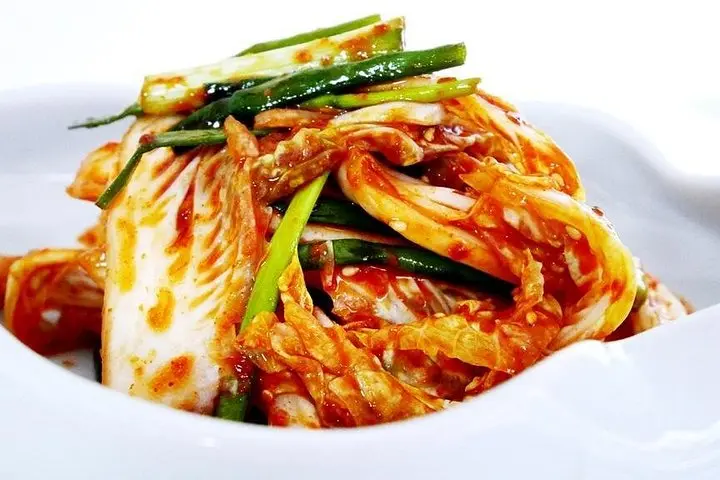
The apartment’s kitchen hums like a small theater: a low simmer, the soft clack of porcelain, and the ginseng root sitting like quiet fuel on the counter. In a Seoul neighborhood where glass towers meet low-rise hanok, this three-hour home cooking class puts you at a family table to prepare samgyetang—Korean ginseng chicken soup—and the quick, fresh kimchi that cuts through its richness.
The apartment’s kitchen hums like a small theater: a low simmer, the soft clack of porcelain, and the ginseng root sitting like quiet fuel on the counter. In a Seoul neighborhood where glass towers meet low-rise hanok, this three-hour home cooking class puts you at a family table to prepare samgyetang—Korean ginseng chicken soup—and the quick, fresh kimchi that cuts through its richness.
Korean food history flips between palace banquets and peasant ingenuity; samgyetang itself became popular as a restorative dish centered on locally prized ginseng and sticky rice. The class pairs hands-on technique—stuffing young chicken with rice, timing the broth, and managing kimchi fermentation shortcuts—with cultural context about seasonality and pantry swaps for international cooks.
Expect small-group pacing: individual work stations, direct guidance in English, and traditional pottery for plating. The optional market stroll afterward turns pantry theory into practical shopping—where packaged sauces, dried dongchimi, and ginseng varieties sit side by side.
Practical guidance: wear non-slip shoes and clothes you don’t mind splashing; plan for about three hours including teardown. Ask about dietary restrictions in advance; instructors can suggest ingredient swaps. Bring a small container if you want leftovers, and take notes—the recipe postcards and tea tasting make this both a lesson and a souvenir. Whether you’re a curious home cook or a traveler hunting authentic flavors, the class is a compact, tactile way to learn why certain Korean pantry staples behave the way they do—and how to bring that energy into your own kitchen.