
Hands-On Seaweed Farming and Diamond Beach Cultural Tour — Nusa Penida
Wade into the shallow farms of Nusa Penida to learn traditional seaweed techniques, then trade salt and work boots for cliff views at Diamond Beach. This hands‑on day pairs cultural immersion with coastal scenery and a local lunch.
An Adventure In Toya Pakeh.
Wade into the shallow farms of Nusa Penida to learn traditional seaweed techniques, then trade salt and work boots for cliff views at Diamond Beach. This hands‑on day pairs cultural immersion with coastal scenery and a local lunch.
Read the full experience
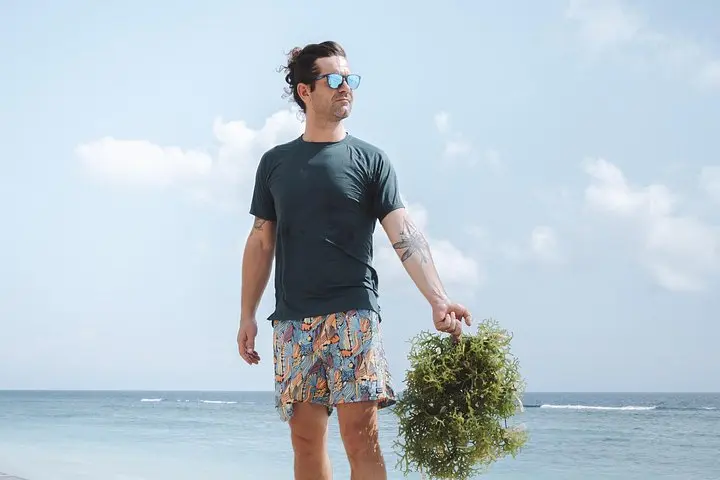
The morning light on Nusa Penida hits the shallow flats like a mirror; waist‑deep water ripples around rows of tied lines and farmers moving with practiced, patient motions. You begin at a basecamp below Coral Cafe, watching a short presentation that grounds you in the biology and economics of seaweed cultivation before stepping into the surf to work alongside local families.
The morning light on Nusa Penida hits the shallow flats like a mirror; waist‑deep water ripples around rows of tied lines and farmers moving with practiced, patient motions. You begin at a basecamp below Coral Cafe, watching a short presentation that grounds you in the biology and economics of seaweed cultivation before stepping into the surf to work alongside local families.
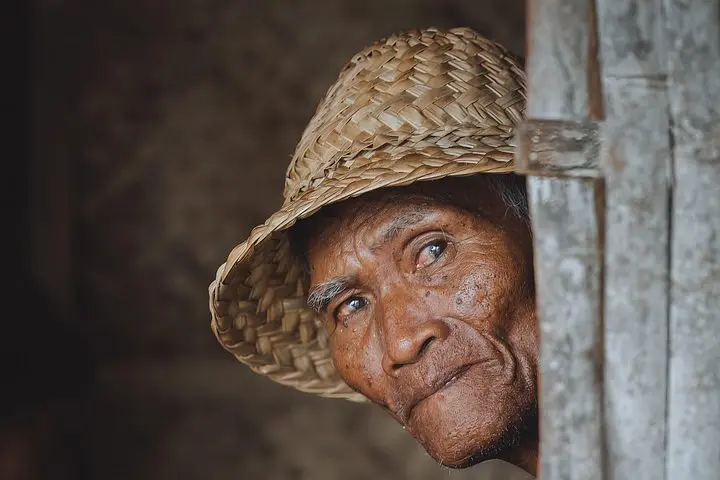
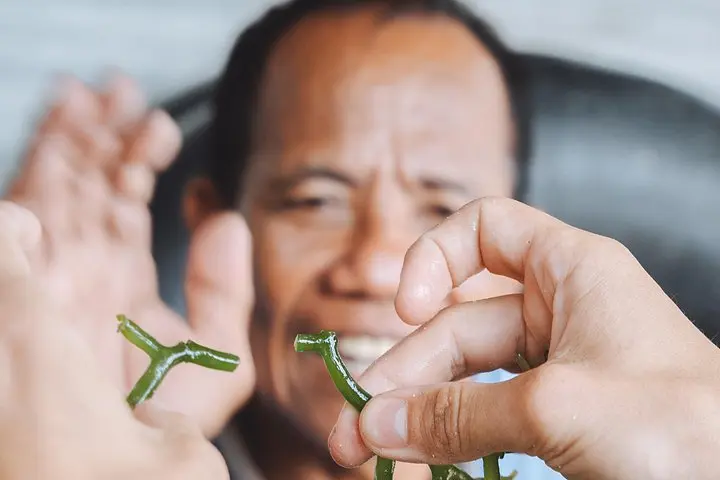
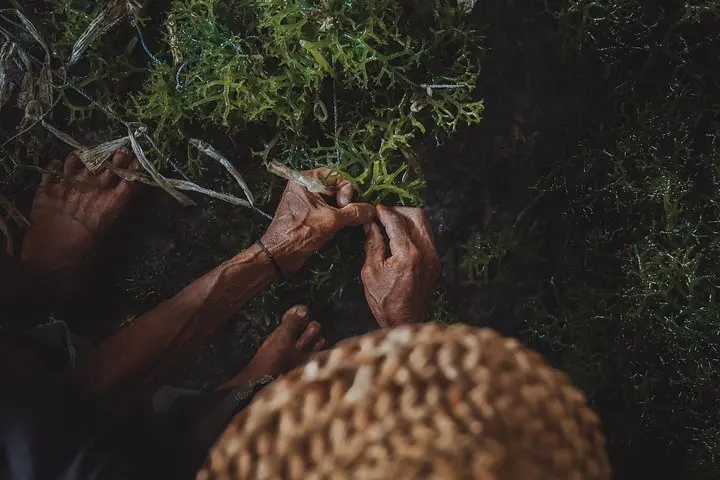
Seaweed in this region—often varieties like eucheuma and gracilaria—has anchored coastal economies for decades. The island itself is carved from uplifted coral and volcanic flows, producing the steep limestone cliffs that frame Diamond Beach and the sheltered, sunlit intertidal zones where farming takes place. The day links cultural practice to place: farmers explain rope‑tying, maintenance, and harvest timing while guides place the experience in a wider context of export markets and sustainable livelihoods.
After the hands‑on section, the trip moves east to Diamond Beach: a cliff‑framed viewpoint, a stair descent to white sand, and photogenic, wave‑cut coves below. Expect wind, dramatic light, and the chance to test a Bali swing if you choose.
Practical notes: wear quick‑dry clothes and water shoes, bring reef‑safe sunscreen and a waterproof bag, and be prepared for uneven, slippery surfaces in the shallows. The operator provides snorkel gear and water boots by request and includes a local lunch. Plan visits in the dry months (April–October) for calmer seas; wet season rains can make the surf choppier. Your participation channels income directly to island families—this is cultural immersion with measurable local impact.
Frequently asked questions
Yes—infants and small children can come (stroller access noted), but hands‑on work is best for older kids who can wade safely; follow guide instructions around water.
Yes—the tour includes pickup in an air‑conditioned vehicle from local meeting points; request hotel pickup up to 12 hours in advance.
Wear quick‑dry clothes, water shoes or request boots, reef‑safe sunscreen, and a waterproof bag; a change of clothes for the return is useful.
The operator runs in typical conditions but rough seas or heavy rain can affect surf and comfort; check local forecasts and the cancellation policy for refunds up to 24 hours prior.
About This Experience
Ecotourism Nusa Penida operates guided outdoor trips and adventures with an emphasis on safety, stewardship, and memorable experiences.
Adventure tips
Recommended gear
- Sturdy water shoes or rubber boots: Protects feet on jagged reef, seaweed lines, and slippery substrates.
- Reef‑safe sunscreen and a sun hat: Reduces sun exposure while minimizing harm to marine ecosystems.
- Quick‑dry clothing and a light towel: Comfortable for wading and dries quickly after working in the water.
- Waterproof pouch for phone/camera: Keeps electronics safe while you photograph the farm and Diamond Beach.
Photos of the experience
Related adventures & guides
Read the full experience
The morning light on Nusa Penida hits the shallow flats like a mirror; waist‑deep water ripples around rows of tied lines and farmers moving with practiced, patient motions. You begin at a basecamp below Coral Cafe, watching a short presentation that grounds you in the biology and economics of seaweed cultivation before stepping into the surf to work alongside local families.
The morning light on Nusa Penida hits the shallow flats like a mirror; waist‑deep water ripples around rows of tied lines and farmers moving with practiced, patient motions. You begin at a basecamp below Coral Cafe, watching a short presentation that grounds you in the biology and economics of seaweed cultivation before stepping into the surf to work alongside local families.
Seaweed in this region—often varieties like eucheuma and gracilaria—has anchored coastal economies for decades. The island itself is carved from uplifted coral and volcanic flows, producing the steep limestone cliffs that frame Diamond Beach and the sheltered, sunlit intertidal zones where farming takes place. The day links cultural practice to place: farmers explain rope‑tying, maintenance, and harvest timing while guides place the experience in a wider context of export markets and sustainable livelihoods.
After the hands‑on section, the trip moves east to Diamond Beach: a cliff‑framed viewpoint, a stair descent to white sand, and photogenic, wave‑cut coves below. Expect wind, dramatic light, and the chance to test a Bali swing if you choose.
Practical notes: wear quick‑dry clothes and water shoes, bring reef‑safe sunscreen and a waterproof bag, and be prepared for uneven, slippery surfaces in the shallows. The operator provides snorkel gear and water boots by request and includes a local lunch. Plan visits in the dry months (April–October) for calmer seas; wet season rains can make the surf choppier. Your participation channels income directly to island families—this is cultural immersion with measurable local impact.
Make a day of it nearby.
Verified experiences and guided adventures in the surrounding area.