THE ADVENTURE COLLECTIVE® · Independent discovery and booking for outdoor travel

Learn to make seafood paella, potato croquettes and a classic almond torte in a hands-on, 2.5-hour class limited to eight guests in Southeastern Sacramento. This small-group workshop mixes technique with tasting—perfect for home cooks who want practical Spanish kitchen skills.
Learn to make seafood paella, potato croquettes and a classic almond torte in a hands-on, 2.5-hour class limited to eight guests in Southeastern Sacramento. This small-group workshop mixes technique with tasting—perfect for home cooks who want practical Spanish kitchen skills.
You step into a compact teaching kitchen on a humid Sacramento evening; saffron lifts from a simmering pan and the instructor’s voice cuts through the clatter of spoons and warmth. With room for eight guests, the space feels like a neighborhood atelier where heat and technique shape a meal.
Verified experiences and guided adventures in the surrounding area.
Operated by Cozymeal Cooking Classes · Sacramento, California
You step into a compact teaching kitchen on a humid Sacramento evening; saffron lifts from a simmering pan and the instructor’s voice cuts through the clatter of spoons and warmth. With room for eight guests, the space feels like a neighborhood atelier where heat and technique shape a meal.
Spanish flavors in California trace both to Spain’s Mediterranean pantry and the Central Valley’s abundance. Paella itself is a coastal dish adapted across regions—here it meets Sacramento’s seafood suppliers and locally grown citrus. Geology matters: the Central Valley’s deep alluvial soils supply the citrus and greens that brighten the menu, while the Sacramento River once carried salt trade routes that influenced regional cuisine.
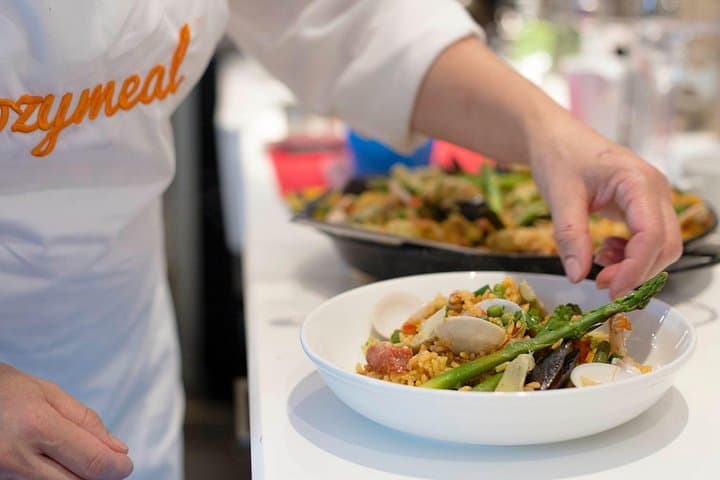
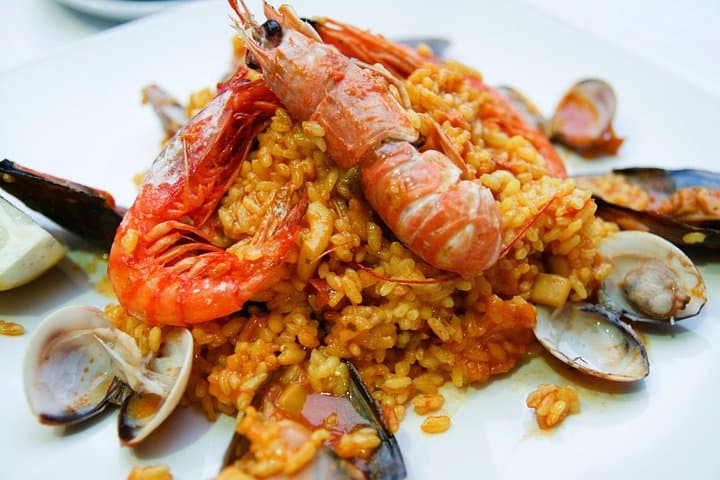
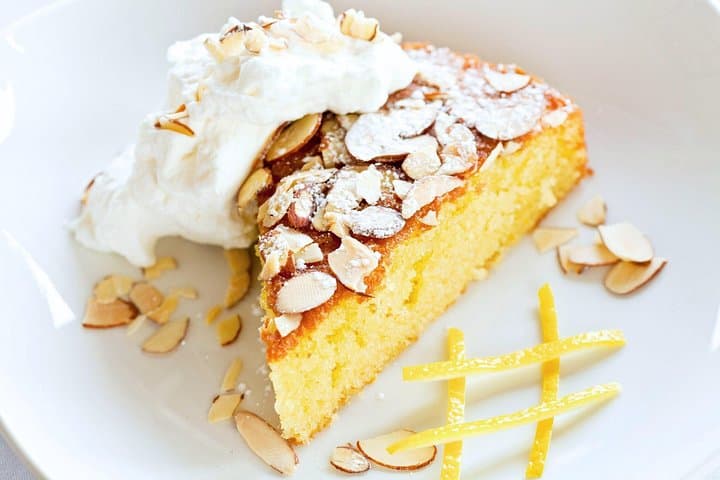
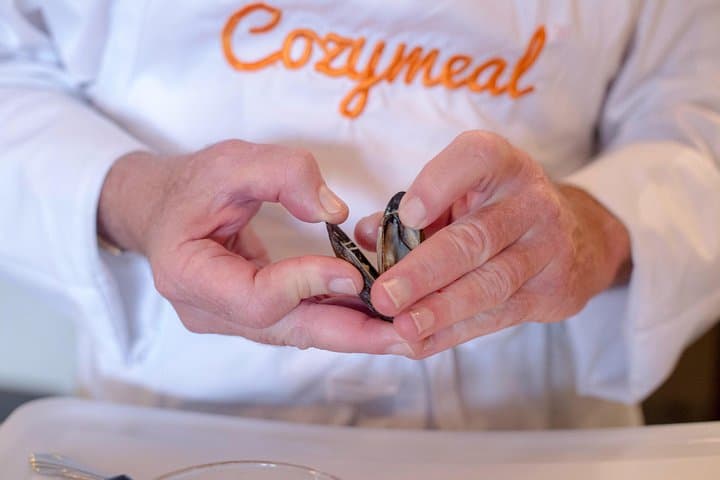
Expect hands-on instruction: forming potato croquettes, toasting pan con tomate, building a bomba-rice paella with shrimp, mussels and chorizo, and finishing with a Tarta de Santiago. Small group size means more time at the burner and practical tips on managing socarrat (the toasted rice layer) and balancing saffron.
Practical guidance: arrive 10–15 minutes early to settle in and declare dietary needs; classes run about 2.5 hours and are wheelchair accessible. Wear closed-toe shoes and clothes you don’t mind splattering; bring a light jacket—the kitchen cools once pans are down. Wine and beer are welcome, but plan for public transit or rideshare if you imbibe. Take-home containers are handy; recipes and techniques are shared so you can reproduce the menu at home. This is a learning meal—expect active cooking, shared tasting, and a full plate to enjoy before you leave.
Yes—wine and beer are allowed to enjoy during class, but alcoholic consumption should be moderate; plan a safe ride home.
Yes. The small group format focuses on basic to intermediate techniques and the chef guides guests step-by-step through each dish.
The host requests advance notice; the menu can often be adjusted, but disclose allergies when booking to ensure accommodation.
Yes. The listing notes wheelchair accessibility for spaces and surfaces; contact the operator with specific mobility needs before booking.
Cozymeal Cooking Classes operates guided outdoor trips and adventures with an emphasis on safety, stewardship, and memorable experiences.
You step into a compact teaching kitchen on a humid Sacramento evening; saffron lifts from a simmering pan and the instructor’s voice cuts through the clatter of spoons and warmth. With room for eight guests, the space feels like a neighborhood atelier where heat and technique shape a meal.
You step into a compact teaching kitchen on a humid Sacramento evening; saffron lifts from a simmering pan and the instructor’s voice cuts through the clatter of spoons and warmth. With room for eight guests, the space feels like a neighborhood atelier where heat and technique shape a meal.
Spanish flavors in California trace both to Spain’s Mediterranean pantry and the Central Valley’s abundance. Paella itself is a coastal dish adapted across regions—here it meets Sacramento’s seafood suppliers and locally grown citrus. Geology matters: the Central Valley’s deep alluvial soils supply the citrus and greens that brighten the menu, while the Sacramento River once carried salt trade routes that influenced regional cuisine.
Expect hands-on instruction: forming potato croquettes, toasting pan con tomate, building a bomba-rice paella with shrimp, mussels and chorizo, and finishing with a Tarta de Santiago. Small group size means more time at the burner and practical tips on managing socarrat (the toasted rice layer) and balancing saffron.
Practical guidance: arrive 10–15 minutes early to settle in and declare dietary needs; classes run about 2.5 hours and are wheelchair accessible. Wear closed-toe shoes and clothes you don’t mind splattering; bring a light jacket—the kitchen cools once pans are down. Wine and beer are welcome, but plan for public transit or rideshare if you imbibe. Take-home containers are handy; recipes and techniques are shared so you can reproduce the menu at home. This is a learning meal—expect active cooking, shared tasting, and a full plate to enjoy before you leave.