THE ADVENTURE COLLECTIVE® · Independent discovery and booking for outdoor travel

Roll up your sleeves in a village kitchen near Sigiriya and learn to make eight Sri Lankan dishes—from hoppers to polos—then sit down to the meal you helped cook. This three-hour, hands-on class blends technique, local history, and regional flavors.
Roll up your sleeves in a village kitchen near Sigiriya and learn to make eight Sri Lankan dishes—from hoppers to polos—then sit down to the meal you helped cook. This three-hour, hands-on class blends technique, local history, and regional flavors.
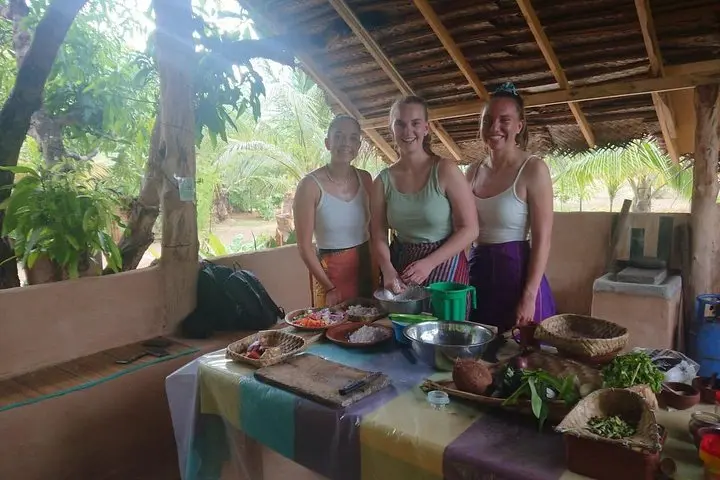
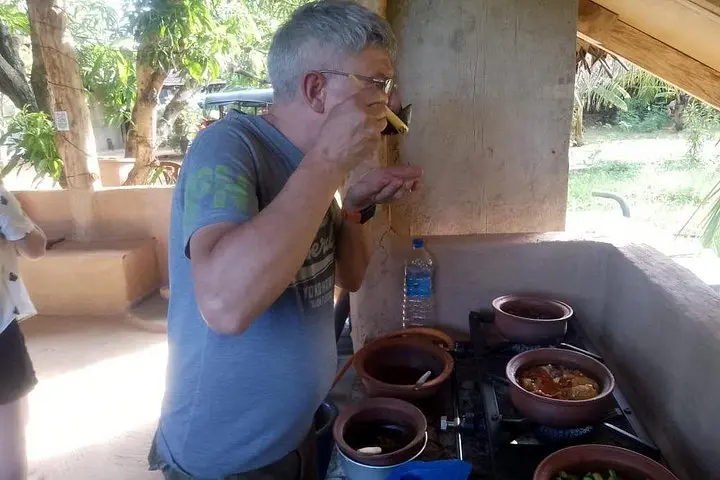
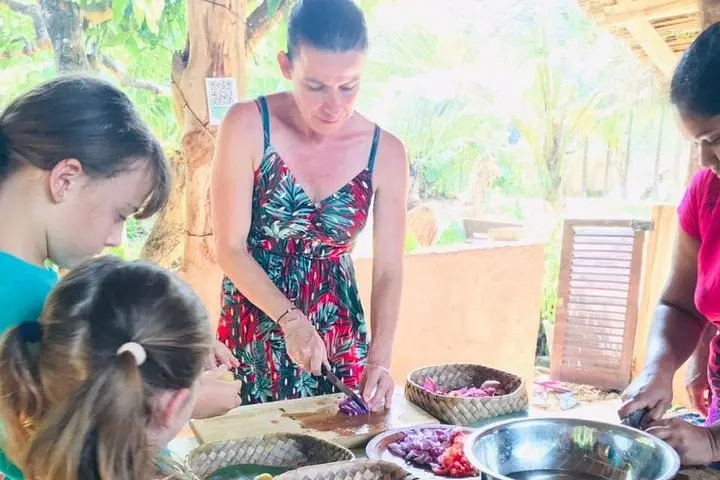
The kitchen heat meets countryside air: you step into an open village hearth where wooden spoons click like a slow metronome and coconut smoke winds out toward rice paddies. The instructor—often a local home cook—lays out eight curries, hoppers, kottu and a seafood dish, and the work begins: pounding spices, tempering mustard seeds until they pop, and learning to judge a curry by scent rather than stopwatch.
Verified experiences and guided adventures in the surrounding area.
Operated by Tharu Cooking Class · Sigiriya, Central Province
The kitchen heat meets countryside air: you step into an open village hearth where wooden spoons click like a slow metronome and coconut smoke winds out toward rice paddies. The instructor—often a local home cook—lays out eight curries, hoppers, kottu and a seafood dish, and the work begins: pounding spices, tempering mustard seeds until they pop, and learning to judge a curry by scent rather than stopwatch.
Sri Lanka’s culinary story is regional: coastal fish and coconut in the lowlands, spiced braises in the dry zone, and fermented hoppers from the south. The recipes you learn echo centuries of trade—Portuguese chilies, Indian curry leaves, Arab cinnamon—anchored by local jackfruit, coconut, and rice. In villages around Sigiriya the kitchen is also a classroom in culture: food etiquette, communal meals, and family rhythms are part of the lesson.
Expect a hands-on session of roughly three hours in a family home or small community kitchen. You’ll prepare multiple dishes using mostly traditional tools with a few modern conveniences, then sit down together to share the meal with curd and treacle for dessert. Practical notes: bring an appetite, let hosts know allergies in advance, wear clothes you don’t mind splattering, and respect photography requests in private homes. The experience is as much about technique—tempering, coconut-grating, dough-handling—as it is about tasting, and it makes useful, transportable recipes you can try back home.
Classes are primarily hands-on: guests help prepare and cook multiple dishes alongside a local family, with instructors guiding every step.
Hosts can often accommodate vegetarians or common allergies if notified at booking; seafood is included by default so always state restrictions early.
This listing is a private activity near Sigiriya; pickup may be arranged depending on the provider—confirm at booking and provide your hotel location.
The experience notes wheelchair accessibility available, but private homes vary—confirm specifics with the operator before booking.
Tharu Cooking Class operates guided outdoor trips and adventures with an emphasis on safety, stewardship, and memorable experiences.
The kitchen heat meets countryside air: you step into an open village hearth where wooden spoons click like a slow metronome and coconut smoke winds out toward rice paddies. The instructor—often a local home cook—lays out eight curries, hoppers, kottu and a seafood dish, and the work begins: pounding spices, tempering mustard seeds until they pop, and learning to judge a curry by scent rather than stopwatch.
The kitchen heat meets countryside air: you step into an open village hearth where wooden spoons click like a slow metronome and coconut smoke winds out toward rice paddies. The instructor—often a local home cook—lays out eight curries, hoppers, kottu and a seafood dish, and the work begins: pounding spices, tempering mustard seeds until they pop, and learning to judge a curry by scent rather than stopwatch.
Sri Lanka’s culinary story is regional: coastal fish and coconut in the lowlands, spiced braises in the dry zone, and fermented hoppers from the south. The recipes you learn echo centuries of trade—Portuguese chilies, Indian curry leaves, Arab cinnamon—anchored by local jackfruit, coconut, and rice. In villages around Sigiriya the kitchen is also a classroom in culture: food etiquette, communal meals, and family rhythms are part of the lesson.
Expect a hands-on session of roughly three hours in a family home or small community kitchen. You’ll prepare multiple dishes using mostly traditional tools with a few modern conveniences, then sit down together to share the meal with curd and treacle for dessert. Practical notes: bring an appetite, let hosts know allergies in advance, wear clothes you don’t mind splattering, and respect photography requests in private homes. The experience is as much about technique—tempering, coconut-grating, dough-handling—as it is about tasting, and it makes useful, transportable recipes you can try back home.