THE ADVENTURE COLLECTIVE® · Independent discovery and booking for outdoor travel

Make sushi with a local instructor then walk Dotonbori’s neon-lit food streets to sample takoyaki, gyoza, and more. This 2.5-hour combo pairs hands-on technique with a guided street-food tasting in the heart of Osaka.
Make sushi with a local instructor then walk Dotonbori’s neon-lit food streets to sample takoyaki, gyoza, and more. This 2.5-hour combo pairs hands-on technique with a guided street-food tasting in the heart of Osaka.
You step down at Metro Namba Exit 24 and the city’s rhythm changes—subway tile gives way to the focused quiet of a cooking studio, where the air smells faintly of rice vinegar and toasted nori.
Verified experiences and guided adventures in the surrounding area.
Operated by TripGuru · Osaka, Osaka
You step down at Metro Namba Exit 24 and the city’s rhythm changes—subway tile gives way to the focused quiet of a cooking studio, where the air smells faintly of rice vinegar and toasted nori.
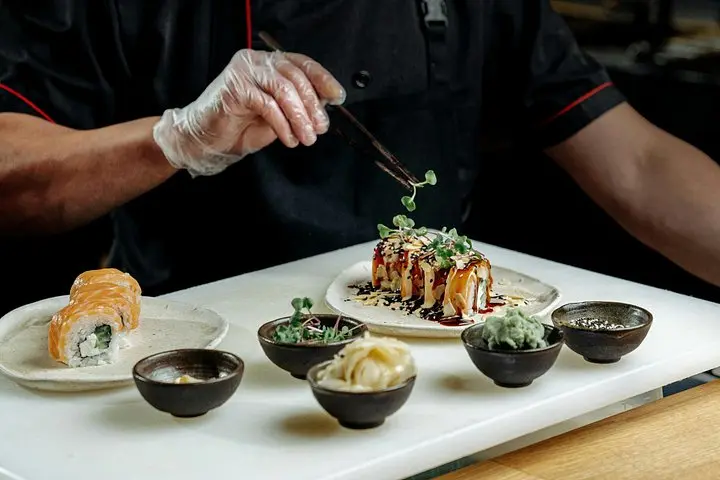
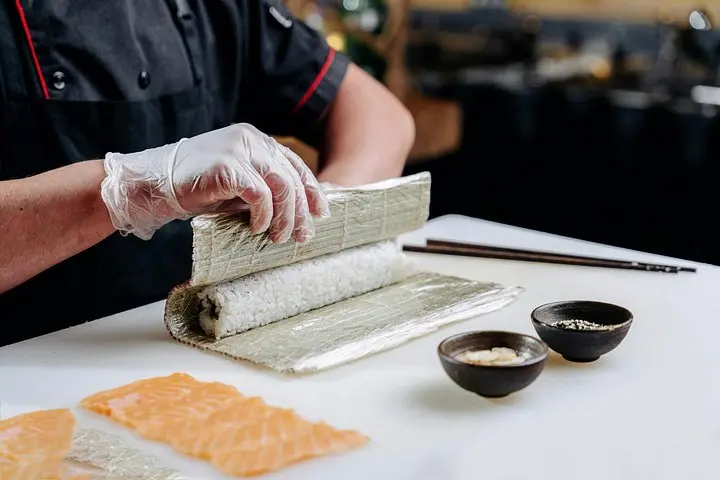
For 90 minutes you work at a low counter under a Japanese instructor’s watchful hand, learning rice texture, knife angle, and how to press maki that hold together. Then the group spills onto Dotonbori: neon signs blink over a canal cut into the Osaka Plain centuries ago, and vendors call from stalls selling takoyaki, kushikatsu, and steaming bowls of gyoza.
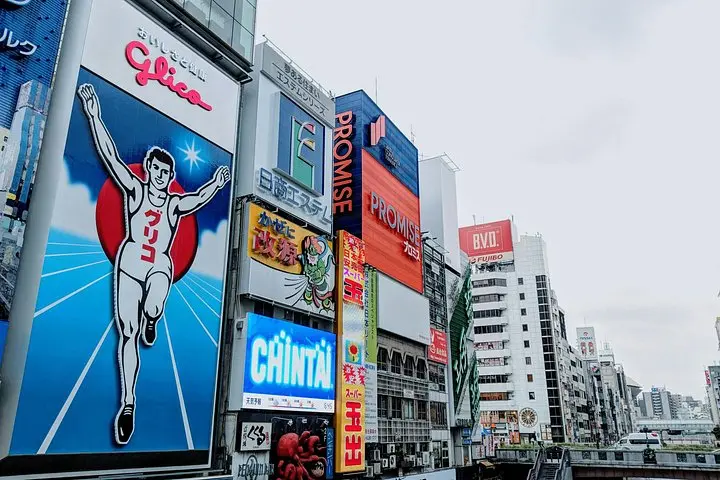
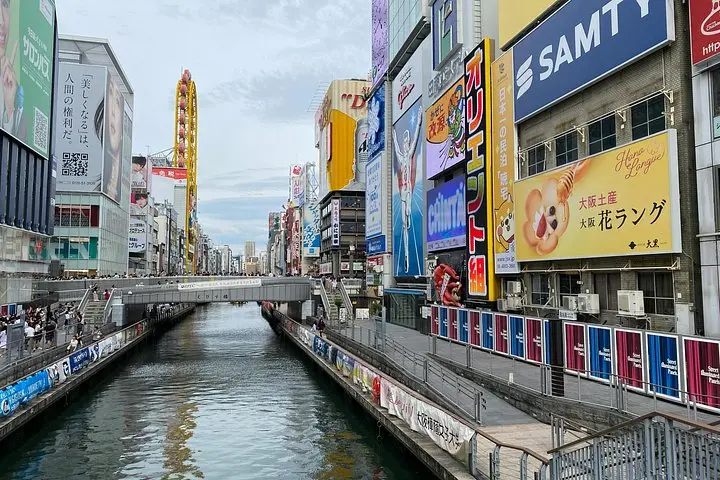
Osaka earned its reputation as Japan’s “kitchen” through commerce on Osaka Bay and the city’s role as a merchant hub in the Edo period. The Dotonbori canal—dug in the early 17th century—made the area a center for trade and later spectacle; today its giant mechanical signs are as much part of the landscape as the food.
Practical guidance: the experience runs about 2.5 hours total for groups up to nine; meet at Metro Namba (Exit 24). Ingredients and tasting in the class are included; street food purchases in Dotonbori are at your own expense. Comfortable shoes and a light jacket are smart—kitchen floors can be slick and evenings along the canal get breezy. Tell your host about allergies or dietary needs before class. Bring cash for small vendors—some stalls are cash-first.
This experience mixes hands-on culinary technique with a brisk urban food walk—great for curious eaters who want taste, technique, and a confident introduction to Osaka’s street-food culture.
Yes—ingredients and tasting for the 90-minute sushi lesson are included; street food in Dotonbori is paid separately.
Meet at Metro Namba Station (Exit 24); the experience concludes in Dotonbori so you can continue exploring independently.
Vegetarian options are possible but limited—notify booking staff about dietary needs so the instructor can plan substitutions.
Cancel at least 24 hours before the scheduled time for a full refund; last-minute cancellations are generally non-refundable.
TripGuru operates guided outdoor trips and adventures with an emphasis on safety, stewardship, and memorable experiences.
You step down at Metro Namba Exit 24 and the city’s rhythm changes—subway tile gives way to the focused quiet of a cooking studio, where the air smells faintly of rice vinegar and toasted nori.
You step down at Metro Namba Exit 24 and the city’s rhythm changes—subway tile gives way to the focused quiet of a cooking studio, where the air smells faintly of rice vinegar and toasted nori.
For 90 minutes you work at a low counter under a Japanese instructor’s watchful hand, learning rice texture, knife angle, and how to press maki that hold together. Then the group spills onto Dotonbori: neon signs blink over a canal cut into the Osaka Plain centuries ago, and vendors call from stalls selling takoyaki, kushikatsu, and steaming bowls of gyoza.
Osaka earned its reputation as Japan’s “kitchen” through commerce on Osaka Bay and the city’s role as a merchant hub in the Edo period. The Dotonbori canal—dug in the early 17th century—made the area a center for trade and later spectacle; today its giant mechanical signs are as much part of the landscape as the food.
Practical guidance: the experience runs about 2.5 hours total for groups up to nine; meet at Metro Namba (Exit 24). Ingredients and tasting in the class are included; street food purchases in Dotonbori are at your own expense. Comfortable shoes and a light jacket are smart—kitchen floors can be slick and evenings along the canal get breezy. Tell your host about allergies or dietary needs before class. Bring cash for small vendors—some stalls are cash-first.
This experience mixes hands-on culinary technique with a brisk urban food walk—great for curious eaters who want taste, technique, and a confident introduction to Osaka’s street-food culture.