THE ADVENTURE COLLECTIVE® · Independent discovery and booking for outdoor travel

Step into Sri Lanka’s hill country to pick tea alongside estate workers, tour a working factory, and taste Ceylon’s varieties. This hands-on day experience combines cultural insight, light hiking through planted slopes, and a look at traditional and modern processing.
Step into Sri Lanka’s hill country to pick tea alongside estate workers, tour a working factory, and taste Ceylon’s varieties. This hands-on day experience combines cultural insight, light hiking through planted slopes, and a look at traditional and modern processing.
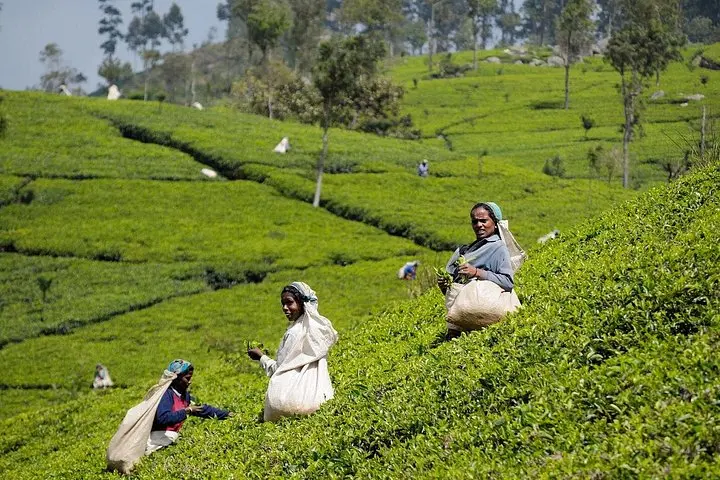
Dawn arrives cool and damp over the highland rows, and the first light slices between slender tea bushes as you step onto the plantation.
Verified experiences and guided adventures in the surrounding area.
Operated by KINGFISHER TOURS SRI LANKA · Nuwara Eliya, Central Province
Dawn arrives cool and damp over the highland rows, and the first light slices between slender tea bushes as you step onto the plantation.
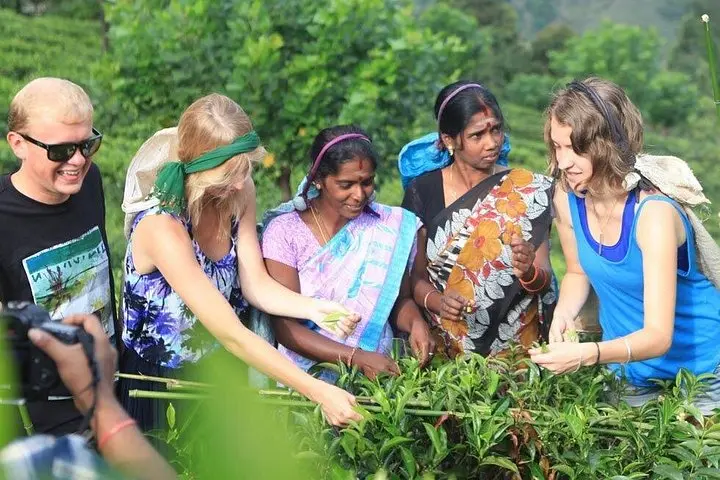
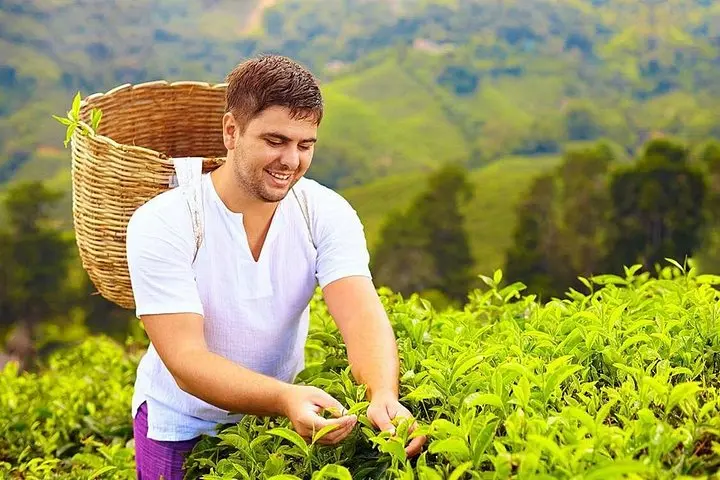
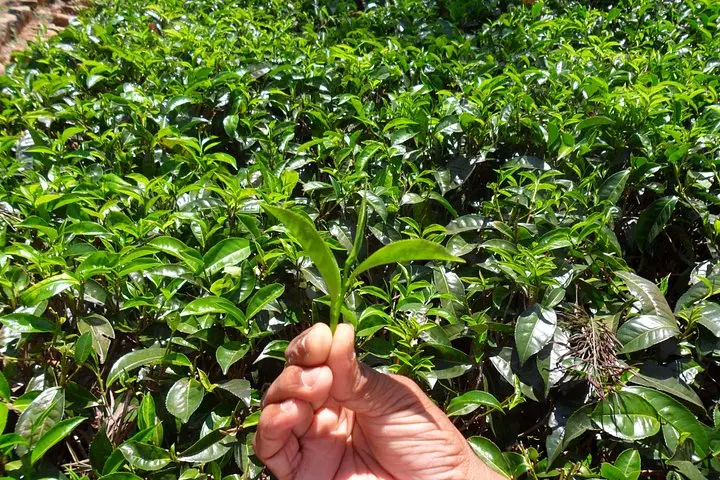
This tour moves beyond observation: guests join estate workers to snip two leaves and a bud, learning the deliberate rhythm of plucking that determines grade and flavor. The central highlands’ volcanic soils and steady mist create the conditions for Ceylon tea—agronomy shaped by elevation and rainfall, and a history written during the British plantation era when tea became Sri Lanka’s defining export.
At the factory you’ll see with-your-own-eyes stages that transform fresh leaves into black, green or flavored blends—wither, roll, oxidize, dry—using a mix of century-old British machinery and modern driers. Local culture threads through the day: Tamil and Sinhalese estate communities, spice gardens where cinnamon and cardamom release sharp aromas, and informal tea tastings that reveal chocolate, vanilla and cinnamon-infused profiles.
Practicalities matter: expect several hours of walking across uneven, occasionally muddy terrain at roughly 1,200–1,900 m elevation; the drive from Colombo or Nuwara Eliya takes most of a day. Wear grippy shoes, sun and rain protection, and bring water; factory floors can be warm and noisy, and photography is generally allowed.
This experience is less about speed and more about hands-on connection—an agricultural immersion that teaches how the pluck in your fingertips becomes the cup that wakes a nation.
Typical itineraries run a full day (about 8–10 hours) including travel time to and from the estate.
Yes—activity involves light walking and is suitable for most ages, though mobility-impaired guests should check accessibility for specific estates.
Photography is generally allowed at many factories, but always follow the guide’s instructions and respect staff privacy.
Yes; most tours include tastings of different Ceylon tea varieties and flavored blends.
KINGFISHER TOURS SRI LANKA operates guided outdoor trips and adventures with an emphasis on safety, stewardship, and memorable experiences.
Dawn arrives cool and damp over the highland rows, and the first light slices between slender tea bushes as you step onto the plantation.
Dawn arrives cool and damp over the highland rows, and the first light slices between slender tea bushes as you step onto the plantation.
This tour moves beyond observation: guests join estate workers to snip two leaves and a bud, learning the deliberate rhythm of plucking that determines grade and flavor. The central highlands’ volcanic soils and steady mist create the conditions for Ceylon tea—agronomy shaped by elevation and rainfall, and a history written during the British plantation era when tea became Sri Lanka’s defining export.
At the factory you’ll see with-your-own-eyes stages that transform fresh leaves into black, green or flavored blends—wither, roll, oxidize, dry—using a mix of century-old British machinery and modern driers. Local culture threads through the day: Tamil and Sinhalese estate communities, spice gardens where cinnamon and cardamom release sharp aromas, and informal tea tastings that reveal chocolate, vanilla and cinnamon-infused profiles.
Practicalities matter: expect several hours of walking across uneven, occasionally muddy terrain at roughly 1,200–1,900 m elevation; the drive from Colombo or Nuwara Eliya takes most of a day. Wear grippy shoes, sun and rain protection, and bring water; factory floors can be warm and noisy, and photography is generally allowed.
This experience is less about speed and more about hands-on connection—an agricultural immersion that teaches how the pluck in your fingertips becomes the cup that wakes a nation.