THE ADVENTURE COLLECTIVE® · Independent discovery and booking for outdoor travel

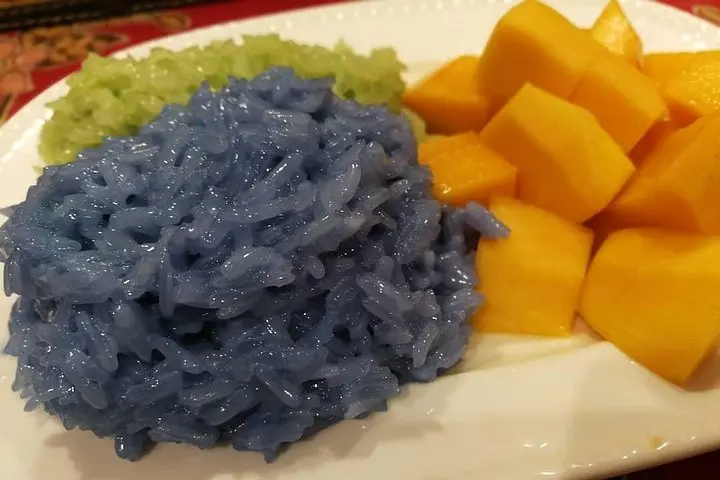
Cook Thai classics yourself after a short market tour in Phuket. This 3-hour hands-on class teaches curry pastes, stir-fry technique and finishes with mango sticky rice you helped make.
Cook Thai classics yourself after a short market tour in Phuket. This 3-hour hands-on class teaches curry pastes, stir-fry technique and finishes with mango sticky rice you helped make.
You step off the minivan into a bright, humid morning where chatter from the local market spills spices into the air and mango stalls dare you to taste them. A guide moves beside you through aisles of galangal, kaffir lime leaves and chilies while explaining which herbs define southern Thai food. Back at the classroom, stainless-steel stations line up and an instructor shows how to grind curry paste by hand before handing you a mortar and pestle.
Verified experiences and guided adventures in the surrounding area.
Operated by Thai Cooking School Phuket · Phuket, Phuket
You step off the minivan into a bright, humid morning where chatter from the local market spills spices into the air and mango stalls dare you to taste them. A guide moves beside you through aisles of galangal, kaffir lime leaves and chilies while explaining which herbs define southern Thai food. Back at the classroom, stainless-steel stations line up and an instructor shows how to grind curry paste by hand before handing you a mortar and pestle.
Phuket’s cuisine reflects its maritime geography and multicultural past — Malay, Chinese and Portuguese influences meet local seafood and coconut-rich recipes born from the island’s coastal plantations and tin-mining era. Geology matters here: the Andaman Sea’s proximity keeps seafood abundant and palms thrive on the island’s lateritic soils, flavors that shape dishes like panang and green curry.
Expect a focused, hands-on 3-hour session where you build a menu (Pad Thai, green curry, Panang, mango sticky rice), learn spice-balancing and plate your own meal. Market tours are optional and give context to ingredients; the class accommodates vegetarians, halal requests and common allergies if notified. Practical tips: arrive with comfortable shoes and an empty stomach, plan for humidity and bring a reusable water bottle—most classes include bottled water and hotel pickup from Patong, Kata, Karon and Rawai.
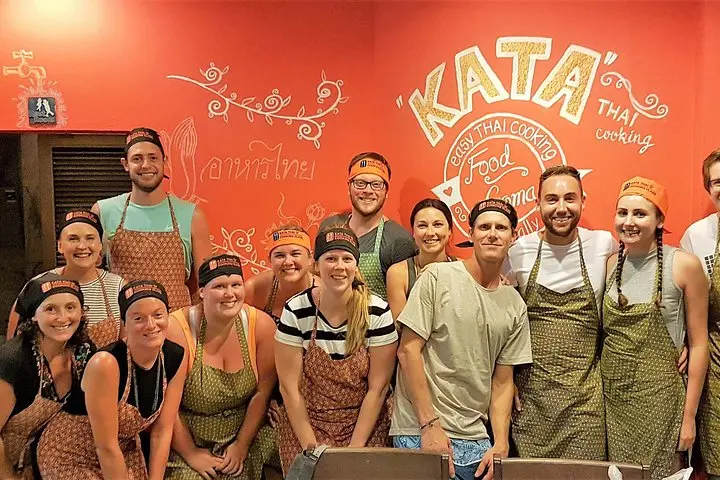
This experience is both a cooking lesson and a short cultural primer — you leave with recipes, a headband, and video follow-ups to recreate the flavors at home. For travelers who prefer doing as they learn, this is a low-risk, high-reward way to take Thailand’s kitchen back to your own stove.
Pickup is included for guests in Patong, Kata, Karon and Rawai areas — confirm your pickup point at booking.
Yes — the class offers vegetarian and halal options and can handle common allergies if notified when booking.
Very hands-on: each participant has their own cooking station and completes dishes from prep to plating, including making curry paste.
No — the market tour is an optional add-on that provides ingredient context but the core cooking class can be attended on its own.
Thai Cooking School Phuket operates guided outdoor trips and adventures with an emphasis on safety, stewardship, and memorable experiences.
You step off the minivan into a bright, humid morning where chatter from the local market spills spices into the air and mango stalls dare you to taste them. A guide moves beside you through aisles of galangal, kaffir lime leaves and chilies while explaining which herbs define southern Thai food. Back at the classroom, stainless-steel stations line up and an instructor shows how to grind curry paste by hand before handing you a mortar and pestle.
You step off the minivan into a bright, humid morning where chatter from the local market spills spices into the air and mango stalls dare you to taste them. A guide moves beside you through aisles of galangal, kaffir lime leaves and chilies while explaining which herbs define southern Thai food. Back at the classroom, stainless-steel stations line up and an instructor shows how to grind curry paste by hand before handing you a mortar and pestle.
Phuket’s cuisine reflects its maritime geography and multicultural past — Malay, Chinese and Portuguese influences meet local seafood and coconut-rich recipes born from the island’s coastal plantations and tin-mining era. Geology matters here: the Andaman Sea’s proximity keeps seafood abundant and palms thrive on the island’s lateritic soils, flavors that shape dishes like panang and green curry.
Expect a focused, hands-on 3-hour session where you build a menu (Pad Thai, green curry, Panang, mango sticky rice), learn spice-balancing and plate your own meal. Market tours are optional and give context to ingredients; the class accommodates vegetarians, halal requests and common allergies if notified. Practical tips: arrive with comfortable shoes and an empty stomach, plan for humidity and bring a reusable water bottle—most classes include bottled water and hotel pickup from Patong, Kata, Karon and Rawai.
This experience is both a cooking lesson and a short cultural primer — you leave with recipes, a headband, and video follow-ups to recreate the flavors at home. For travelers who prefer doing as they learn, this is a low-risk, high-reward way to take Thailand’s kitchen back to your own stove.