THE ADVENTURE COLLECTIVE® · Independent discovery and booking for outdoor travel

Shop a bustling Chiang Mai market, tour an organic garden, then cook a six-dish Thai meal from scratch. This hands-on evening class mixes Lanna food history with practical technique for a compact, sensory culinary experience.
Shop a bustling Chiang Mai market, tour an organic garden, then cook a six-dish Thai meal from scratch. This hands-on evening class mixes Lanna food history with practical technique for a compact, sensory culinary experience.
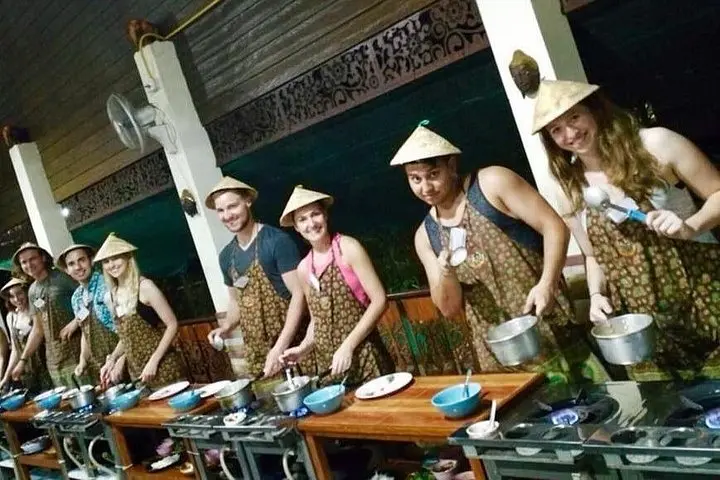
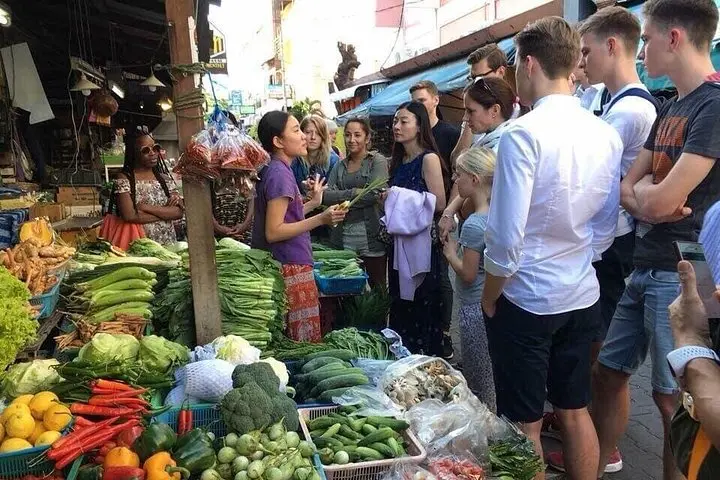
Late afternoon in Chiang Mai the air cools and the market’s chaos softens into a rhythm: vendors pack produce, steam lifts from food stalls, and a garden by a small lake waits with lemongrass and basil swaying in a light breeze. This evening cooking course begins at a local market—colors, scent, and bargaining—then moves to an organic garden where students gather in an open-air pavilion and an air-conditioned dining room to work their woks.
Verified experiences and guided adventures in the surrounding area.
Operated by Siam Garden Cooking School · Chiang Mai, Chiang Mai
Late afternoon in Chiang Mai the air cools and the market’s chaos softens into a rhythm: vendors pack produce, steam lifts from food stalls, and a garden by a small lake waits with lemongrass and basil swaying in a light breeze. This evening cooking course begins at a local market—colors, scent, and bargaining—then moves to an organic garden where students gather in an open-air pavilion and an air-conditioned dining room to work their woks.
Northern Thailand’s food reflects Lanna heritage: turmeric, fermented condiments, and sticky rice have shaped regional dishes for centuries. The valley below Doi Suthep is fertile—alluvial soils and a network of irrigation feed smallholder farms that supply Chiang Mai’s markets and community gardens. Expect hands-on lessons: pounding curry paste in mortar and pestle, balancing fish sauce with palm sugar, and shaping sticky rice for mango dessert.
The class is pragmatic and sensory. Instructors demonstrate knife technique, heat control, and how to adjust spice levels; you cook your own six-course menu and eat what you prepare. Cultural context appears naturally—why certain herbs are used, seasonal substitutions, and how local family meals differ from restaurant versions.
Practical guidance: arrive hungry and with dietary needs communicated in advance; comfortable closed-toe shoes are useful for market walking and standing at a stove; insect repellent helps if you dine in the garden pavilion. The pace is friendly for beginners but expect hands-on effort for about 4–5 hours. This experience is culinary education anchored by a market visit and an organic garden that connects ingredient to plate.
Yes — the itinerary lists pickup from hotels in Chiang Mai Old Town; confirm pickup point when you book.
Yes — vegetarian, vegan, gluten-free and common allergies are accommodated if you inform staff during booking or upon arrival.
Yes — classes are taught by English-speaking instructors experienced with international students.
Yes — you may eat on-site in the pavilion or dining room, or take your dishes away in suitable containers.
Siam Garden Cooking School operates guided outdoor trips and adventures with an emphasis on safety, stewardship, and memorable experiences.
Late afternoon in Chiang Mai the air cools and the market’s chaos softens into a rhythm: vendors pack produce, steam lifts from food stalls, and a garden by a small lake waits with lemongrass and basil swaying in a light breeze. This evening cooking course begins at a local market—colors, scent, and bargaining—then moves to an organic garden where students gather in an open-air pavilion and an air-conditioned dining room to work their woks.
Late afternoon in Chiang Mai the air cools and the market’s chaos softens into a rhythm: vendors pack produce, steam lifts from food stalls, and a garden by a small lake waits with lemongrass and basil swaying in a light breeze. This evening cooking course begins at a local market—colors, scent, and bargaining—then moves to an organic garden where students gather in an open-air pavilion and an air-conditioned dining room to work their woks.
Northern Thailand’s food reflects Lanna heritage: turmeric, fermented condiments, and sticky rice have shaped regional dishes for centuries. The valley below Doi Suthep is fertile—alluvial soils and a network of irrigation feed smallholder farms that supply Chiang Mai’s markets and community gardens. Expect hands-on lessons: pounding curry paste in mortar and pestle, balancing fish sauce with palm sugar, and shaping sticky rice for mango dessert.
The class is pragmatic and sensory. Instructors demonstrate knife technique, heat control, and how to adjust spice levels; you cook your own six-course menu and eat what you prepare. Cultural context appears naturally—why certain herbs are used, seasonal substitutions, and how local family meals differ from restaurant versions.
Practical guidance: arrive hungry and with dietary needs communicated in advance; comfortable closed-toe shoes are useful for market walking and standing at a stove; insect repellent helps if you dine in the garden pavilion. The pace is friendly for beginners but expect hands-on effort for about 4–5 hours. This experience is culinary education anchored by a market visit and an organic garden that connects ingredient to plate.