THE ADVENTURE COLLECTIVE® · Independent discovery and booking for outdoor travel

Learn to cook Thai food the way locals do—start with a market tour, harvest herbs in an organic garden, then cook six selectable dishes in a hands‑on morning class. Practical, sensory, and beginner‑friendly.
Learn to cook Thai food the way locals do—start with a market tour, harvest herbs in an organic garden, then cook six selectable dishes in a hands‑on morning class. Practical, sensory, and beginner‑friendly.
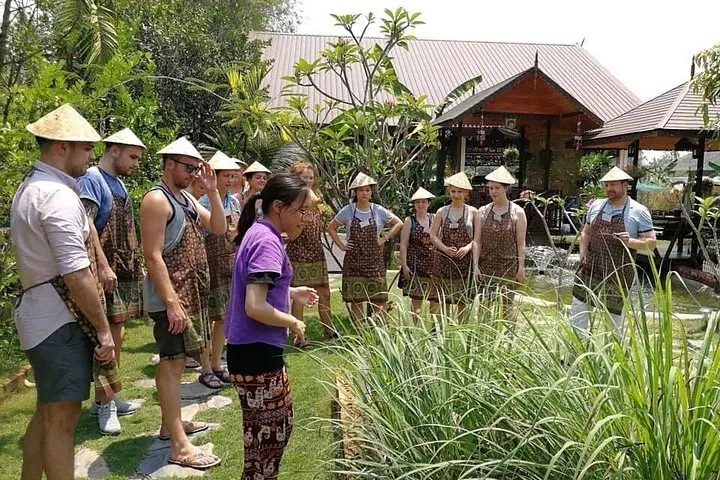
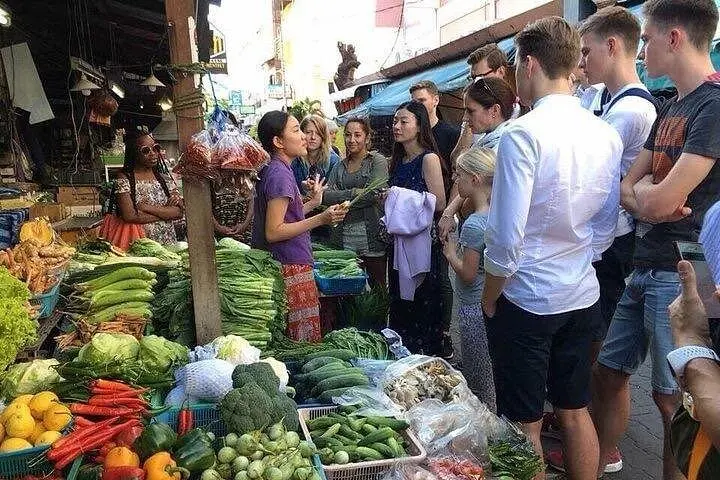
The morning begins before the wok: you step off a tuk‑tuk into a bustling wet market where bright chilies, lime, and bundles of lemongrass shove for space on wooden stalls. The instructor guides the group through smells and names, and an hour later the class moves to the organic garden where herbs and galangal grow within arm’s reach. The garden’s foliage seems to challenge you to taste first and theorize later—mint nudges your fingers, basil leans toward sunlight, and a small waterfall murmurs in the background.
Verified experiences and guided adventures in the surrounding area.
Operated by Siam Garden Cooking School · Chiang Mai, Chiang Mai Province
The morning begins before the wok: you step off a tuk‑tuk into a bustling wet market where bright chilies, lime, and bundles of lemongrass shove for space on wooden stalls. The instructor guides the group through smells and names, and an hour later the class moves to the organic garden where herbs and galangal grow within arm’s reach. The garden’s foliage seems to challenge you to taste first and theorize later—mint nudges your fingers, basil leans toward sunlight, and a small waterfall murmurs in the background.
This short immersion pairs northern Thai cooking traditions with accessible technique. Chiang Mai’s food culture blends Lanna influences and Burmese spices; one signature you’ll meet is khaw soi, a coconut‑rich noodle curry with a unique spice profile. The garden visit underlines how common Thai ingredients are cultivated, and the market tour demonstrates how vendors select produce for texture and freshness.
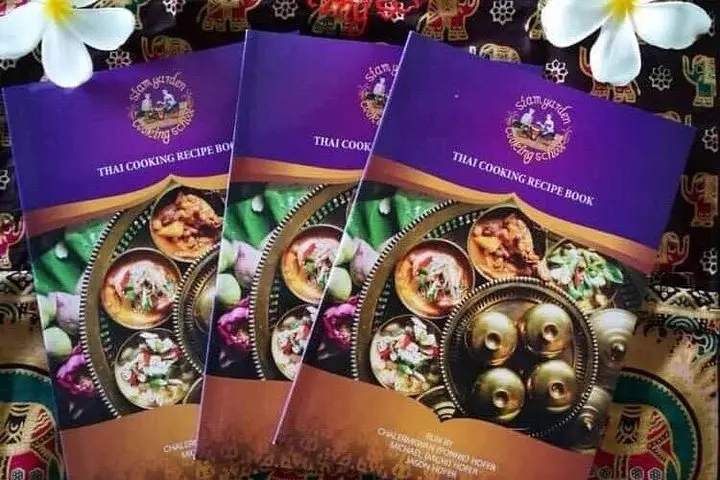
Practical guidance: plan on about 4.5 hours including hotel pickup in the Old City; wear comfortable shoes for market walking and light, breathable clothing for the garden. The class is hands‑on—each participant gets a wok and a mortar—so bring a small towel and a phone bag you can secure while cooking. Menus are selectable and dietary requests (vegan, gluten‑free, mild spice) are accommodated if notified in advance. Expect instruction in English, step‑by‑step recipes to keep, and an opportunity to eat what you cook in an air‑conditioned room or an open pavilion. Aim to arrive hydrated, bring curiosity, and leave with practical skills: making curry paste by mortar, adjusting Thai heat, and balancing sweet, salty, sour, and spicy at home.
Yes—pickup from hotels in Chiang Mai Old City is provided as part of the morning course.
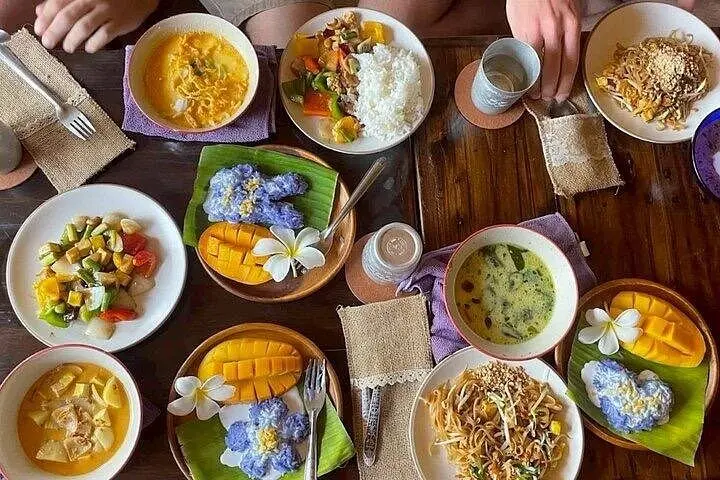
Each guest selects one item from each category (appetizer, curry paste, curry, stir‑fry, soup, dessert) so you build a personalized six‑dish menu.
Yes—the school can accommodate vegetarian, vegan, and gluten‑free diets if informed at booking or on the day of class.
Shared classes cap around 15 guests, and each person gets their own wok and mortar for hands‑on work.
Siam Garden Cooking School operates guided outdoor trips and adventures with an emphasis on safety, stewardship, and memorable experiences.
The morning begins before the wok: you step off a tuk‑tuk into a bustling wet market where bright chilies, lime, and bundles of lemongrass shove for space on wooden stalls. The instructor guides the group through smells and names, and an hour later the class moves to the organic garden where herbs and galangal grow within arm’s reach. The garden’s foliage seems to challenge you to taste first and theorize later—mint nudges your fingers, basil leans toward sunlight, and a small waterfall murmurs in the background.
The morning begins before the wok: you step off a tuk‑tuk into a bustling wet market where bright chilies, lime, and bundles of lemongrass shove for space on wooden stalls. The instructor guides the group through smells and names, and an hour later the class moves to the organic garden where herbs and galangal grow within arm’s reach. The garden’s foliage seems to challenge you to taste first and theorize later—mint nudges your fingers, basil leans toward sunlight, and a small waterfall murmurs in the background.
This short immersion pairs northern Thai cooking traditions with accessible technique. Chiang Mai’s food culture blends Lanna influences and Burmese spices; one signature you’ll meet is khaw soi, a coconut‑rich noodle curry with a unique spice profile. The garden visit underlines how common Thai ingredients are cultivated, and the market tour demonstrates how vendors select produce for texture and freshness.
Practical guidance: plan on about 4.5 hours including hotel pickup in the Old City; wear comfortable shoes for market walking and light, breathable clothing for the garden. The class is hands‑on—each participant gets a wok and a mortar—so bring a small towel and a phone bag you can secure while cooking. Menus are selectable and dietary requests (vegan, gluten‑free, mild spice) are accommodated if notified in advance. Expect instruction in English, step‑by‑step recipes to keep, and an opportunity to eat what you cook in an air‑conditioned room or an open pavilion. Aim to arrive hydrated, bring curiosity, and leave with practical skills: making curry paste by mortar, adjusting Thai heat, and balancing sweet, salty, sour, and spicy at home.