THE ADVENTURE COLLECTIVE® · Independent discovery and booking for outdoor travel

Spend three hours in Stone Town learning from Zanzibar’s artists and musicians. This private, hands-on tour combines henna and carving lessons with a funded visit to the island’s music academy.
Spend three hours in Stone Town learning from Zanzibar’s artists and musicians. This private, hands-on tour combines henna and carving lessons with a funded visit to the island’s music academy.
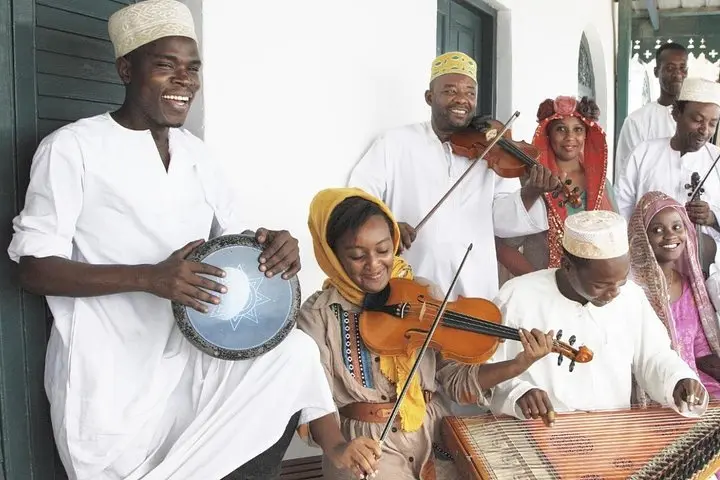
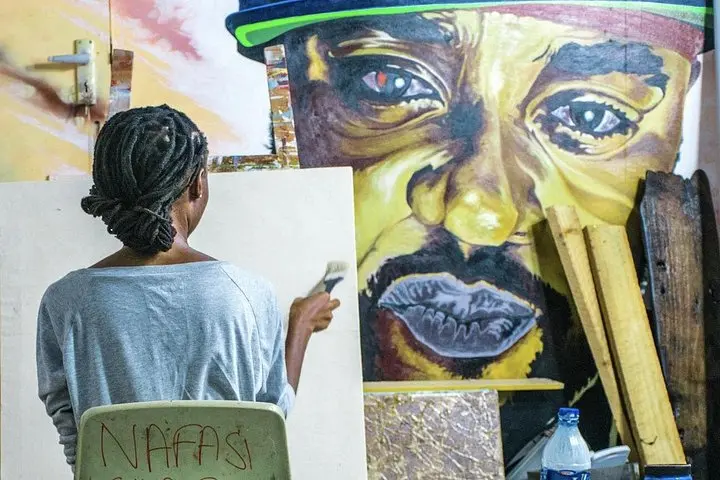
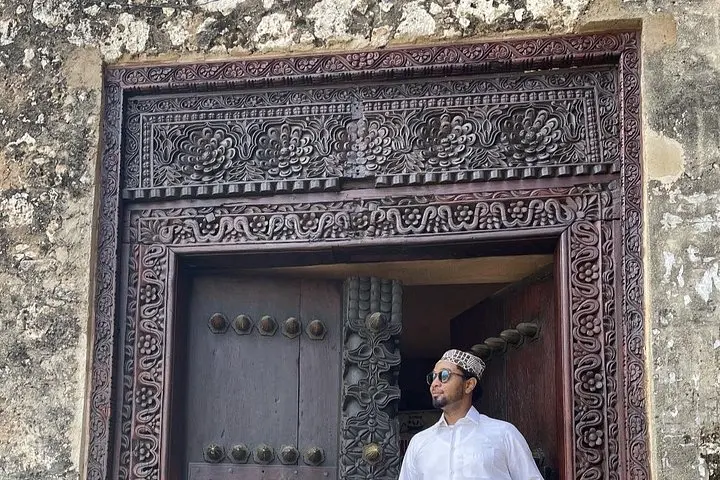
The narrow lanes of Stone Town open like a book of sound: houto drums tapping behind a carved door, a paint-splattered courtyard where artists sharpen brushes, and the ocean breeze carrying a rhythm from the Music Academy.
Verified experiences and guided adventures in the surrounding area.
Operated by Colors of Zanzibar · Stone Town, Zanzibar
The narrow lanes of Stone Town open like a book of sound: houto drums tapping behind a carved door, a paint-splattered courtyard where artists sharpen brushes, and the ocean breeze carrying a rhythm from the Music Academy.
This three-hour private tour moves at a human pace through Zanzibar’s cultural core. Guides introduce you to painters, carpenters, henna artists and master drummers, explaining how Indian Ocean trade, Arab influence and Swahili tradition shaped the island’s visual and musical languages. Stone Town’s coral rag walls and ornate wooden doors tell a geological and social history — coral stone quarried and shaped into houses for wealthy merchants, alleys organized around family compounds and communal spaces.
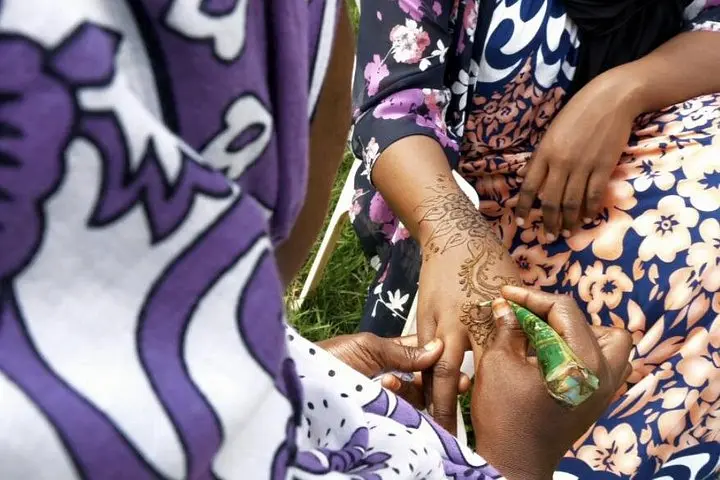
Expect hands-on time: a short wood-carving or henna session, and a visit to the island’s only music school where you’ll meet students and try local percussion. The tour supports the academy and includes a small souvenir you craft yourself.
Practical details are straightforward: it’s urban walking across uneven flagstones and occasional steps — moderate fitness recommended. Bring cash for small purchases and a modest donation if you’d like to support artists directly. Plan morning or late-afternoon starts to avoid midday heat and to catch better light for photos. Wear closed-toe shoes for workshops, and carry a reusable water bottle; bottled water is included.
This experience is equal parts cultural education and creative practice — an efficient way to leave Stone Town with something you made and a clearer understanding of Zanzibar’s living arts.
The private experience lasts about three hours and includes guided visits, hands-on sessions and the Music Academy stop.
Yes—children can participate in drumming and henna activities, but supervision is recommended during carving sessions.
Most local guides speak English; Swahili is the local language and simple greetings like ‘jambo’ are appreciated.
Bottled water and workshop materials are included; donations to the Music Academy or additional purchases from artisans are optional and typically paid in cash.
Colors of Zanzibar operates guided outdoor trips and adventures with an emphasis on safety, stewardship, and memorable experiences.
The narrow lanes of Stone Town open like a book of sound: houto drums tapping behind a carved door, a paint-splattered courtyard where artists sharpen brushes, and the ocean breeze carrying a rhythm from the Music Academy.
The narrow lanes of Stone Town open like a book of sound: houto drums tapping behind a carved door, a paint-splattered courtyard where artists sharpen brushes, and the ocean breeze carrying a rhythm from the Music Academy.
This three-hour private tour moves at a human pace through Zanzibar’s cultural core. Guides introduce you to painters, carpenters, henna artists and master drummers, explaining how Indian Ocean trade, Arab influence and Swahili tradition shaped the island’s visual and musical languages. Stone Town’s coral rag walls and ornate wooden doors tell a geological and social history — coral stone quarried and shaped into houses for wealthy merchants, alleys organized around family compounds and communal spaces.
Expect hands-on time: a short wood-carving or henna session, and a visit to the island’s only music school where you’ll meet students and try local percussion. The tour supports the academy and includes a small souvenir you craft yourself.
Practical details are straightforward: it’s urban walking across uneven flagstones and occasional steps — moderate fitness recommended. Bring cash for small purchases and a modest donation if you’d like to support artists directly. Plan morning or late-afternoon starts to avoid midday heat and to catch better light for photos. Wear closed-toe shoes for workshops, and carry a reusable water bottle; bottled water is included.
This experience is equal parts cultural education and creative practice — an efficient way to leave Stone Town with something you made and a clearer understanding of Zanzibar’s living arts.