THE ADVENTURE COLLECTIVE® · Independent discovery and booking for outdoor travel

Climb 500 stone steps to a wide viewpoint, glide by boat through shadowed caves, then step into the wooden pillars of Hoa Lu’s tenth-century capital. This full-day route stitches karst views, cave boating and history into one accessible Vietnam outing.
Climb 500 stone steps to a wide viewpoint, glide by boat through shadowed caves, then step into the wooden pillars of Hoa Lu’s tenth-century capital. This full-day route stitches karst views, cave boating and history into one accessible Vietnam outing.
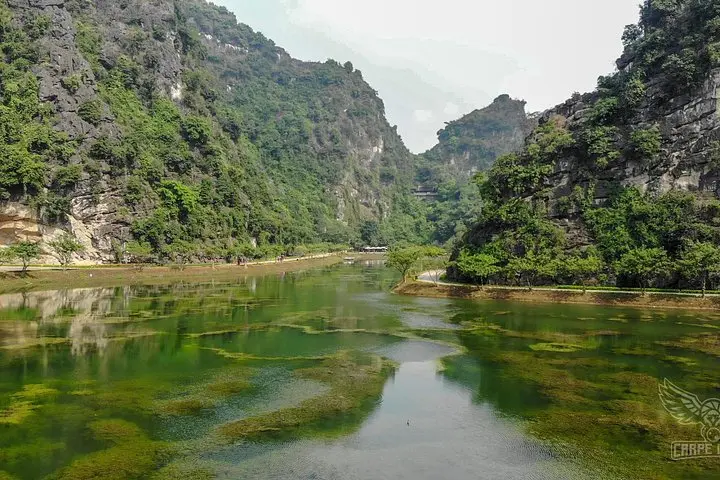
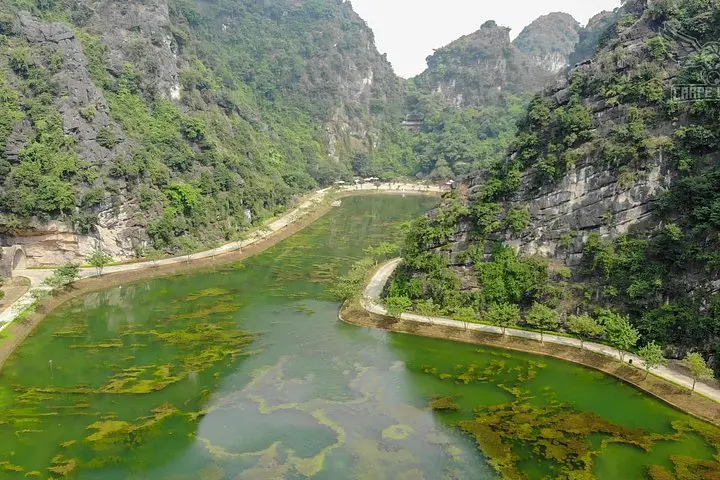
The climb begins at a narrow stone gate and opens onto stairs that zigzag up a limestone spine; each step lifts you above rice paddies and a river that threads between karst towers like a curious ribbon daring you to follow.
Verified experiences and guided adventures in the surrounding area.
Operated by Ninh Binh Adventure · Ninh Binh, Ninh Binh Province
The climb begins at a narrow stone gate and opens onto stairs that zigzag up a limestone spine; each step lifts you above rice paddies and a river that threads between karst towers like a curious ribbon daring you to follow.
From the Mua (Hang Mua) viewpoint the Ngo Dong and Tam Coc grottoes spread below: small boats become brief islands on a slow-moving waterway, caves yawn like room-sized mouths, and the lowlands smell of wet earth and cut grass. In the afternoon the group moves to Trang An’s cave network, where rowed sampans slip into dark mouths—Ba Giot, Dia Linh, Toi and Sang—each cave cutting its own acoustic hollow.
This landscape is a product of tropical karst: uplifted limestone sculpted over millions of years into towers, tunnels and terraces. Nearby Hoa Lu, Vietnam’s tenth-century capital under the Dinh and early Le dynasties, offers carved pillars and gatehouses that speak to early Vietnamese statecraft and Buddhist practice.
Practical note: expect roughly a half-day on foot and a 1–2 hour boat segment; the Mua viewpoint requires climbing about 500 uneven stone steps, so wear grippy shoes and allow time for photos and rest. Bring water, sun protection, and small bills for entrance fees or snacks. Respect temple altars at the summit and follow guides while boarding boats—currents are gentle but caves are dark and low in places.
Timing trips for early morning light or late afternoon softens the heat and thins crowds. The experience pairs cultural history with hands-on terrain: climbing, boating and watching rural life unfold beneath abrupt limestone peaks.
The stone staircase to the top is about 500 steps and typically takes 20–40 minutes depending on pace and stops for photos.
Yes—boats are rowed by experienced locals, life jackets are commonly available, and routes are calm, but children should remain seated and supervised.
The climb and boat entry require bending, stepping and some balance; visitors with spinal issues should consult a doctor and consider staying at lower viewpoints or joining a boat-only trip.
Early morning or late afternoon offers cooler temperatures and softer light; weekdays outside Vietnamese holidays are also less crowded.
Ninh Binh Adventure operates guided outdoor trips and adventures with an emphasis on safety, stewardship, and memorable experiences.


The climb begins at a narrow stone gate and opens onto stairs that zigzag up a limestone spine; each step lifts you above rice paddies and a river that threads between karst towers like a curious ribbon daring you to follow.
The climb begins at a narrow stone gate and opens onto stairs that zigzag up a limestone spine; each step lifts you above rice paddies and a river that threads between karst towers like a curious ribbon daring you to follow.
From the Mua (Hang Mua) viewpoint the Ngo Dong and Tam Coc grottoes spread below: small boats become brief islands on a slow-moving waterway, caves yawn like room-sized mouths, and the lowlands smell of wet earth and cut grass. In the afternoon the group moves to Trang An’s cave network, where rowed sampans slip into dark mouths—Ba Giot, Dia Linh, Toi and Sang—each cave cutting its own acoustic hollow.
This landscape is a product of tropical karst: uplifted limestone sculpted over millions of years into towers, tunnels and terraces. Nearby Hoa Lu, Vietnam’s tenth-century capital under the Dinh and early Le dynasties, offers carved pillars and gatehouses that speak to early Vietnamese statecraft and Buddhist practice.
Practical note: expect roughly a half-day on foot and a 1–2 hour boat segment; the Mua viewpoint requires climbing about 500 uneven stone steps, so wear grippy shoes and allow time for photos and rest. Bring water, sun protection, and small bills for entrance fees or snacks. Respect temple altars at the summit and follow guides while boarding boats—currents are gentle but caves are dark and low in places.
Timing trips for early morning light or late afternoon softens the heat and thins crowds. The experience pairs cultural history with hands-on terrain: climbing, boating and watching rural life unfold beneath abrupt limestone peaks.