THE ADVENTURE COLLECTIVE® · Independent discovery and booking for outdoor travel

Walk among 1,600 years of Buddhist history at Lingyin Temple and the carved caves of Feilai Feng. This two-hour guided tour pairs close-up archaeology with the living rituals of one of China’s oldest temples.
Walk among 1,600 years of Buddhist history at Lingyin Temple and the carved caves of Feilai Feng. This two-hour guided tour pairs close-up archaeology with the living rituals of one of China’s oldest temples.
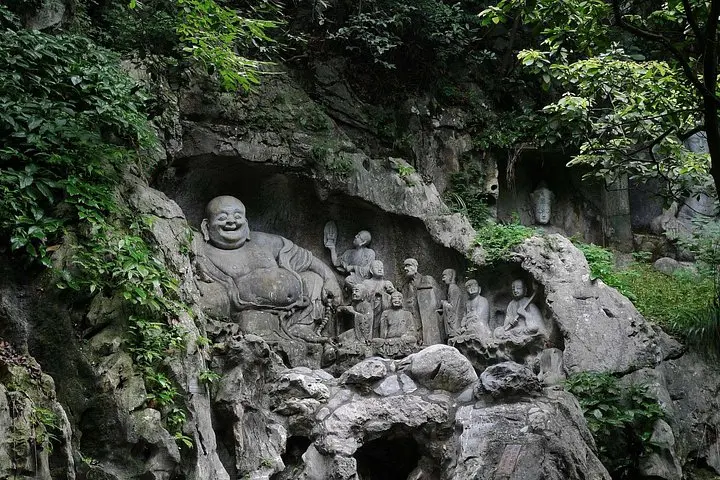
Your guide meets you outside the main gate and you step from city pavement into a slope of damp stone and pine-scented air. Moss softens the carved steps; a stream threads the valley and the limestone spires of Feilai Feng rise like a gallery of weathered faces — each grotto and relief a quiet room in a 1,600-year-old museum of faith.
Verified experiences and guided adventures in the surrounding area.
Operated by Jenny Tong · Hangzhou, Zhejiang
Your guide meets you outside the main gate and you step from city pavement into a slope of damp stone and pine-scented air. Moss softens the carved steps; a stream threads the valley and the limestone spires of Feilai Feng rise like a gallery of weathered faces — each grotto and relief a quiet room in a 1,600-year-old museum of faith.
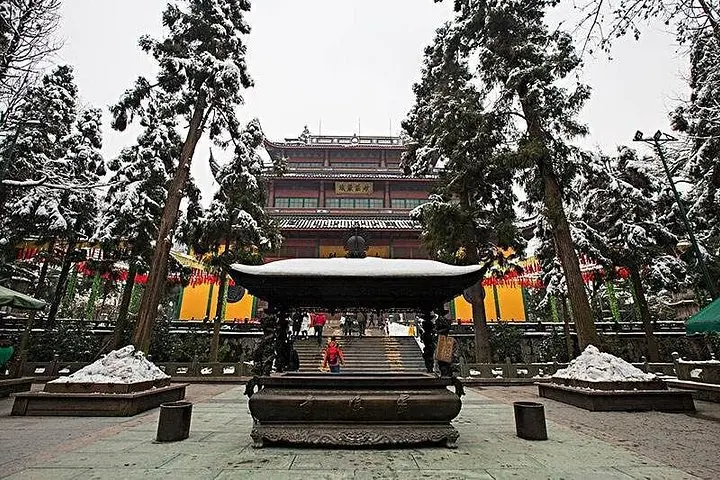
The site’s history goes back to the Eastern Jin dynasty when monks first established worship here. Feilai Feng’s caves hold more than 300 stone carvings dating primarily to the 10th–14th centuries; nearby Lingyin Temple, founded in 326, has grown through dynasties and restorations and houses one of China’s largest indoor wooden Buddhas. The geology is limestone karst: softer rock sculpted by rain and time into cliffs and overhangs where artisans carved images directly into the stone.
The tour balances close-up art history with the temple’s living culture — incense, chanting, and the slow ritual of offerings. The environment is shaded and often humid; birds and street-side vendors frame the experience as much as the stone Buddhas.
Practical guidance: wear supportive shoes for uneven stone paths and bring a light rain layer and water. Photography is allowed in most outdoor areas but be respectful inside sanctuaries. Expect a two-hour pace that includes about an hour among Feilai Feng carvings and an hour inside Lingyin’s halls. Public transport reaches the site; meeting point is at the temple entrance. If you want quieter moments, aim for early morning to avoid tour groups and the midday incense crowd.
The tour runs about 2 hours: roughly 60 minutes among Feilai Feng carvings and 60 minutes inside Lingyin Temple.
Yes — the tour includes entrance to Feilai Feng and Lingyin Temple as specified in the booking details.
There are accessible options and the tour notes wheelchair accessibility, but some carved areas and older steps may limit access to certain spots.
Photography is generally allowed in outdoor areas; check posted signs and follow your guide’s instructions about indoor sanctuaries where photography may be restricted.
Jenny Tong operates guided outdoor trips and adventures with an emphasis on safety, stewardship, and memorable experiences.
Your guide meets you outside the main gate and you step from city pavement into a slope of damp stone and pine-scented air. Moss softens the carved steps; a stream threads the valley and the limestone spires of Feilai Feng rise like a gallery of weathered faces — each grotto and relief a quiet room in a 1,600-year-old museum of faith.
Your guide meets you outside the main gate and you step from city pavement into a slope of damp stone and pine-scented air. Moss softens the carved steps; a stream threads the valley and the limestone spires of Feilai Feng rise like a gallery of weathered faces — each grotto and relief a quiet room in a 1,600-year-old museum of faith.
The site’s history goes back to the Eastern Jin dynasty when monks first established worship here. Feilai Feng’s caves hold more than 300 stone carvings dating primarily to the 10th–14th centuries; nearby Lingyin Temple, founded in 326, has grown through dynasties and restorations and houses one of China’s largest indoor wooden Buddhas. The geology is limestone karst: softer rock sculpted by rain and time into cliffs and overhangs where artisans carved images directly into the stone.
The tour balances close-up art history with the temple’s living culture — incense, chanting, and the slow ritual of offerings. The environment is shaded and often humid; birds and street-side vendors frame the experience as much as the stone Buddhas.
Practical guidance: wear supportive shoes for uneven stone paths and bring a light rain layer and water. Photography is allowed in most outdoor areas but be respectful inside sanctuaries. Expect a two-hour pace that includes about an hour among Feilai Feng carvings and an hour inside Lingyin’s halls. Public transport reaches the site; meeting point is at the temple entrance. If you want quieter moments, aim for early morning to avoid tour groups and the midday incense crowd.