THE ADVENTURE COLLECTIVE® · Independent discovery and booking for outdoor travel

Spend a day outside Hanoi visiting three working craft villages—Ha Thai for lacquer, Chuong for conical hats, and Quang Phu Cau for incense. Hands-on workshops, a home-cooked lunch, and village walks offer a close look at living traditions.
Spend a day outside Hanoi visiting three working craft villages—Ha Thai for lacquer, Chuong for conical hats, and Quang Phu Cau for incense. Hands-on workshops, a home-cooked lunch, and village walks offer a close look at living traditions.
You step out of Hanoi’s Old Quarter just after dawn and the motorbike chorus thins as the bus slips onto the Red River delta plains. Rice paddies and brick houses stretch plain and honest; smoke from household kitchens threads the air, and by the time you reach Ha Thai, lacquer dust and pigment have already begun to settle on workbenches.
Verified experiences and guided adventures in the surrounding area.
Operated by Classic Tourist · Hanoi, Hanoi
You step out of Hanoi’s Old Quarter just after dawn and the motorbike chorus thins as the bus slips onto the Red River delta plains. Rice paddies and brick houses stretch plain and honest; smoke from household kitchens threads the air, and by the time you reach Ha Thai, lacquer dust and pigment have already begun to settle on workbenches.
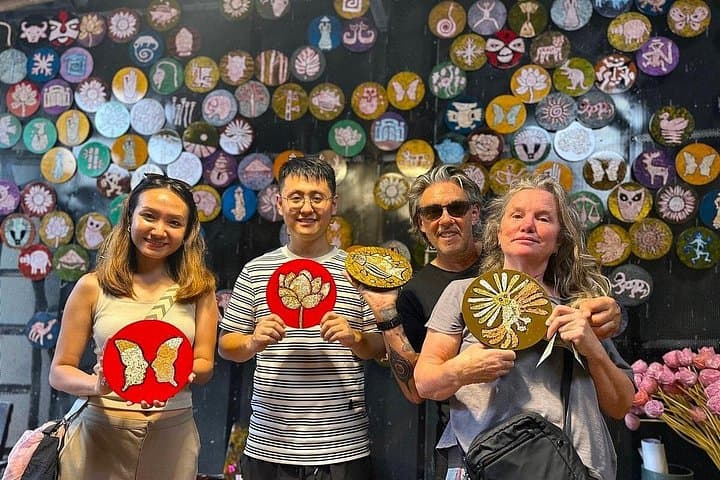
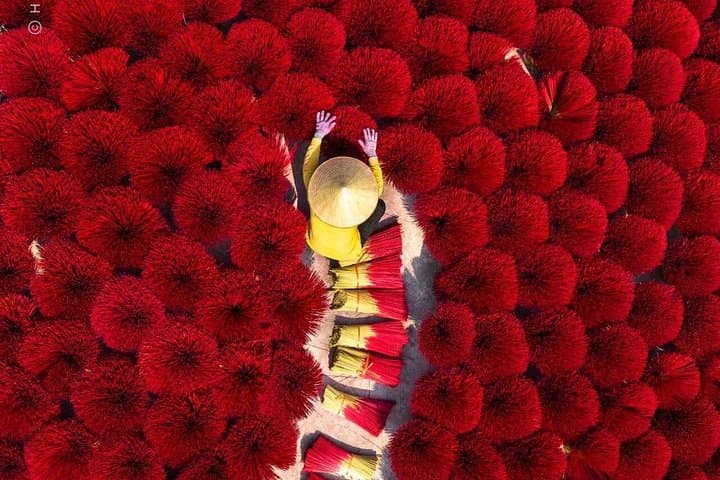
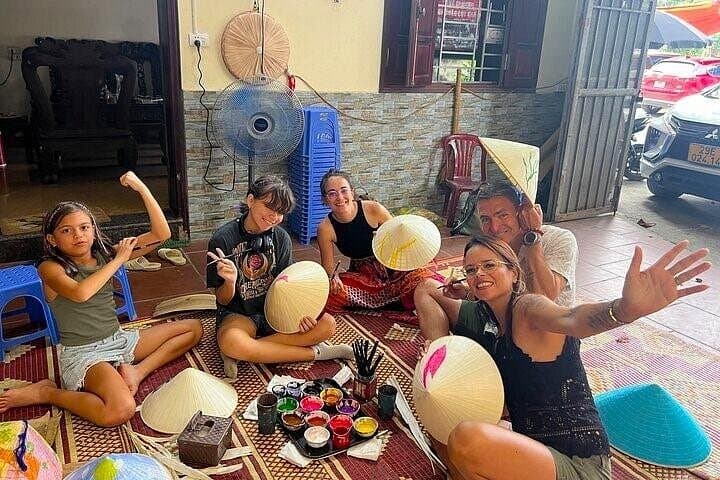
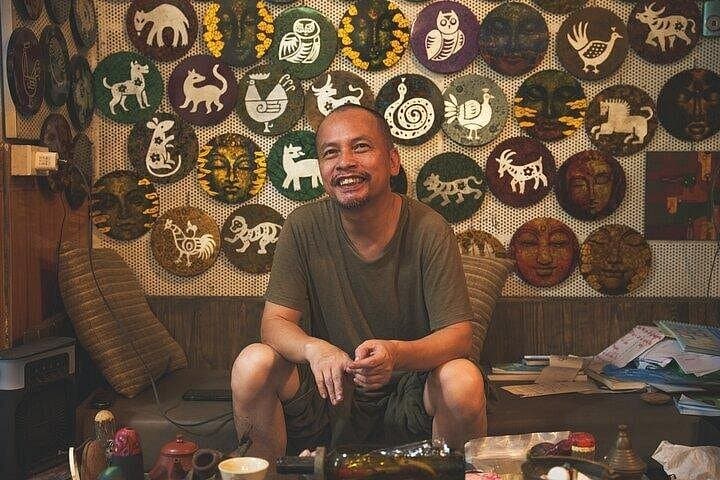
Ha Thai’s lacquer tradition dates to the 17th century—layers of sap and pigment built over wooden forms until a deep, resilient sheen appears. Chuong village keeps the conical hat alive: reed and bamboo are worked with patient hands, and stories of wartime survival and rural life are often folded into demonstrations. At Quang Phu Cau, incense remains a household industry; dyed bundles are strung like banners, and the scent of cinnamon and sandalwood drifts through courtyards. Geologically, the Red River delta supplies the clay and plant fibers that underpin these crafts; culturally, these villages are living workshops where technique passes directly from elder to apprentice.
Practical guidance: this is a full-day, low-effort trip with multiple short walks on uneven village paths and courtyard steps. Wear closed-toe shoes for workshop areas, bring sun protection and a light rain layer in monsoon months, and carry small cash for extra souvenirs. Workshops are hands-on—expect to paint, cut bamboo, or press incense—so dress for light mess. Photography is welcome but ask before shooting people at work; a polite question opens better stories than a camera alone. The trip returns to Hanoi in early evening, often with a handmade conical hat tucked under your arm and a fresh understanding of Vietnam’s craft economies.
Yes—air-conditioned pickup and drop-off from addresses in Hanoi Old Quarter are included in the tour.
Yes—the tour can cater to vegetarian, vegan, and gluten-free needs if noted at booking.
Generally yes—most hands-on activities are family-friendly, but parental supervision is recommended around tools and hot lacquer.
Yes—each participant receives a conical hat, and you can keep items you make in the lacquer or incense workshops.
Classic Tourist operates guided outdoor trips and adventures with an emphasis on safety, stewardship, and memorable experiences.
You step out of Hanoi’s Old Quarter just after dawn and the motorbike chorus thins as the bus slips onto the Red River delta plains. Rice paddies and brick houses stretch plain and honest; smoke from household kitchens threads the air, and by the time you reach Ha Thai, lacquer dust and pigment have already begun to settle on workbenches.
You step out of Hanoi’s Old Quarter just after dawn and the motorbike chorus thins as the bus slips onto the Red River delta plains. Rice paddies and brick houses stretch plain and honest; smoke from household kitchens threads the air, and by the time you reach Ha Thai, lacquer dust and pigment have already begun to settle on workbenches.
Ha Thai’s lacquer tradition dates to the 17th century—layers of sap and pigment built over wooden forms until a deep, resilient sheen appears. Chuong village keeps the conical hat alive: reed and bamboo are worked with patient hands, and stories of wartime survival and rural life are often folded into demonstrations. At Quang Phu Cau, incense remains a household industry; dyed bundles are strung like banners, and the scent of cinnamon and sandalwood drifts through courtyards. Geologically, the Red River delta supplies the clay and plant fibers that underpin these crafts; culturally, these villages are living workshops where technique passes directly from elder to apprentice.
Practical guidance: this is a full-day, low-effort trip with multiple short walks on uneven village paths and courtyard steps. Wear closed-toe shoes for workshop areas, bring sun protection and a light rain layer in monsoon months, and carry small cash for extra souvenirs. Workshops are hands-on—expect to paint, cut bamboo, or press incense—so dress for light mess. Photography is welcome but ask before shooting people at work; a polite question opens better stories than a camera alone. The trip returns to Hanoi in early evening, often with a handmade conical hat tucked under your arm and a fresh understanding of Vietnam’s craft economies.