THE ADVENTURE COLLECTIVE® · Independent discovery and booking for outdoor travel

Walk Hanoi from compact Old Quarter alleys to the stately boulevards of the French Quarter. This small-group tour pairs history and street-life with practical pacing and local insights.
Walk Hanoi from compact Old Quarter alleys to the stately boulevards of the French Quarter. This small-group tour pairs history and street-life with practical pacing and local insights.
You step out of your hotel into a lattice of scooters and morning light, the soundscape a steady hum that seems to conduct the city. The guide threads the group through narrow lanes where shopfronts open like pages — silks, lanterns, street vendors — then leads across wide boulevards where French colonial facades stand with measured elegance.
Verified experiences and guided adventures in the surrounding area.
Operated by Authentic PHU QUOC · Hanoi, Hanoi
You step out of your hotel into a lattice of scooters and morning light, the soundscape a steady hum that seems to conduct the city. The guide threads the group through narrow lanes where shopfronts open like pages — silks, lanterns, street vendors — then leads across wide boulevards where French colonial facades stand with measured elegance.
The walk stitches together centuries: the Old Quarter’s medieval grid of guild streets born of trade and waterway access, the French Quarter’s late-19th-century planning that reshaped Hanoi’s civic spine, and Ba Dinh Square where the Ho Chi Minh Mausoleum anchors modern national memory. Geologically, the city sits on Red River alluvium — flat, clay-rich ground that shaped settlement patterns and the pond-fed temples like Ngoc Son on Hoan Kiem Lake.
Culturally the tour moves between sacred and civic life — Bach Ma Temple’s quiet ritual, the Gothic spires of St. Joseph’s Cathedral, the sobering rooms of Hoa Lo Prison — each site a different cadence in Hanoi’s story. Local life presses close: sidewalk cafes, communal chess games, vendors calling out breakfast staples.
Practical edge: expect 8–9 hours on foot with frequent stops; wear breathable shoes, bring sun protection and a refillable bottle (bottled water is included). Timing matters — mornings are cooler and less congested; midday visits to museums let you escape heat. Be respectful at religious sites (modest dress), watch traffic when crossing streets, and keep small change for street food sampling. The route is urban and accessible but steady walking and humidity make hydration essential.
The tour runs about 8–9 hours total with frequent stops; expect several kilometers of walking at a relaxed pace with museum entrances included.
Yes — the tour includes entrance fees and lunch, plus bottled water; notify the operator of dietary needs in advance.
The route is low-impact and suitable for most ages, but it involves long periods on your feet and some staircases at historic sites.
Bring small denominations of Vietnamese Dong for street purchases and tips; major cards aren’t accepted at many vendors.
Authentic PHU QUOC operates guided outdoor trips and adventures with an emphasis on safety, stewardship, and memorable experiences.
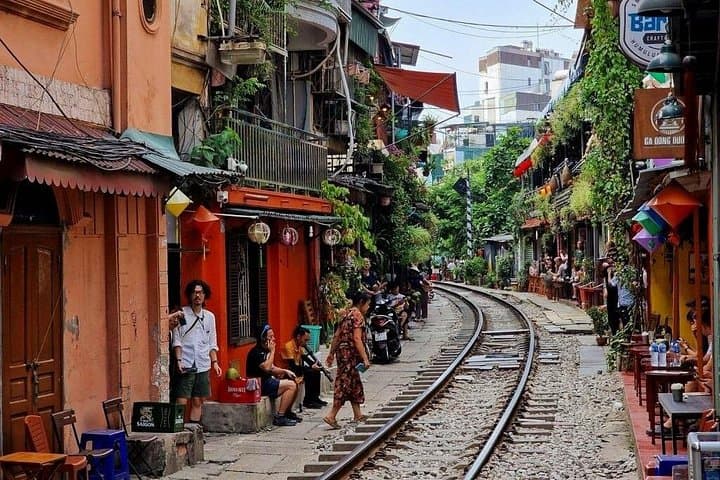
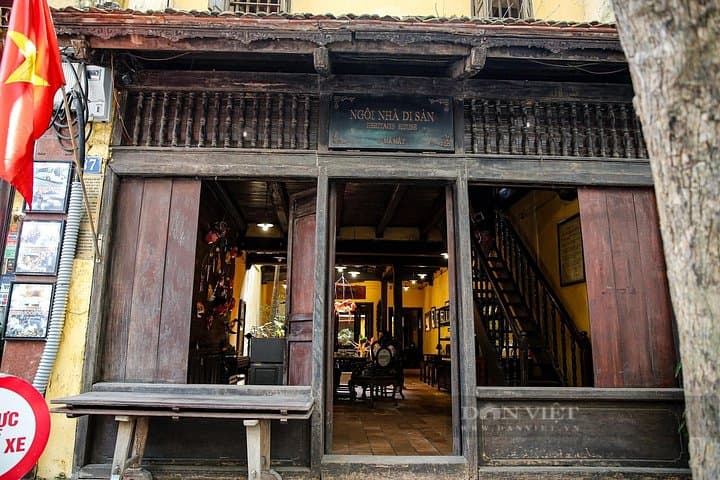

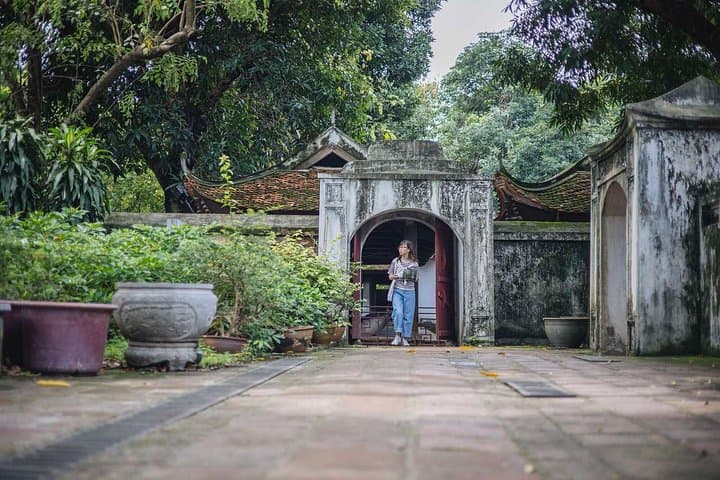
You step out of your hotel into a lattice of scooters and morning light, the soundscape a steady hum that seems to conduct the city. The guide threads the group through narrow lanes where shopfronts open like pages — silks, lanterns, street vendors — then leads across wide boulevards where French colonial facades stand with measured elegance.
You step out of your hotel into a lattice of scooters and morning light, the soundscape a steady hum that seems to conduct the city. The guide threads the group through narrow lanes where shopfronts open like pages — silks, lanterns, street vendors — then leads across wide boulevards where French colonial facades stand with measured elegance.
The walk stitches together centuries: the Old Quarter’s medieval grid of guild streets born of trade and waterway access, the French Quarter’s late-19th-century planning that reshaped Hanoi’s civic spine, and Ba Dinh Square where the Ho Chi Minh Mausoleum anchors modern national memory. Geologically, the city sits on Red River alluvium — flat, clay-rich ground that shaped settlement patterns and the pond-fed temples like Ngoc Son on Hoan Kiem Lake.
Culturally the tour moves between sacred and civic life — Bach Ma Temple’s quiet ritual, the Gothic spires of St. Joseph’s Cathedral, the sobering rooms of Hoa Lo Prison — each site a different cadence in Hanoi’s story. Local life presses close: sidewalk cafes, communal chess games, vendors calling out breakfast staples.
Practical edge: expect 8–9 hours on foot with frequent stops; wear breathable shoes, bring sun protection and a refillable bottle (bottled water is included). Timing matters — mornings are cooler and less congested; midday visits to museums let you escape heat. Be respectful at religious sites (modest dress), watch traffic when crossing streets, and keep small change for street food sampling. The route is urban and accessible but steady walking and humidity make hydration essential.