THE ADVENTURE COLLECTIVE® · Independent discovery and booking for outdoor travel

Ride a vintage jeep through Hanoi’s contrasts—grand French facades, lakeside villages, narrow train lanes, and tucked-away pagodas—on a compact four-hour tour that balances comfort with up-close urban discovery.
Ride a vintage jeep through Hanoi’s contrasts—grand French facades, lakeside villages, narrow train lanes, and tucked-away pagodas—on a compact four-hour tour that balances comfort with up-close urban discovery.
The Jeep bumps awake the city before the heat climbs. You slide into a weathered leather seat as narrow streets open like pages—motorbikes flowing, market stalls steaming, a line of colonial facades standing watch. The morning drive threads past the Hanoi Opera House and the broad forecourt of the Ho Chi Minh Mausoleum, then slips into quieter lanes where the city’s everyday rituals—tea poured, fish grilled, bicycles parked—play out.
Verified experiences and guided adventures in the surrounding area.
Operated by Local Tours Around Viet Nam · Hanoi, Hanoi
The Jeep bumps awake the city before the heat climbs. You slide into a weathered leather seat as narrow streets open like pages—motorbikes flowing, market stalls steaming, a line of colonial facades standing watch. The morning drive threads past the Hanoi Opera House and the broad forecourt of the Ho Chi Minh Mausoleum, then slips into quieter lanes where the city’s everyday rituals—tea poured, fish grilled, bicycles parked—play out.
Hanoi’s story is visible in its streets: French neoclassical architecture from the early 20th century, the patriotic markers of the B52 Memorial, and lakes that are relics of the Red River’s floodplain. West Lake and Truc Bach hold shallow, sediment-rich basins where people fish and birds quarter the water; Thanh Nien Street hugs one of those calm edges, offering a slower pulse to the urban rush. Cultural notes arrive in small measures—a pagoda bell, a plate of fresh fruit on Banana Island, a guide pointing out a local tea house—giving texture to the city’s living history.
Practically, expect four hours of mostly seated travel with several short walks at photo stops and markets; total driving covers central Hanoi and nearby village roads rather than long treks. Wear breathable layers, bring sun protection and insect repellent, and keep small cash for snacks and market purchases. The jeep provides a quick way to bridge Hanoi’s contrasts—urban roar and village hush—so move deliberately: photograph widely, step carefully through alleys, and let the city’s pace pull you into its stories.
Shared tours typically limit group size to around 12–15 people, giving each traveler space during the ride and photo stops.
Yes—this tour includes the entrance fees listed in the itinerary, and your guide will handle tickets at paid sites.
Most tours offer hotel lobby pickup within central Hanoi; confirm your pickup point when booking to ensure timing and location.
The tour is suitable for children but requires the ability to board vintage jeep seating and walk short distances; it is not recommended for those with serious spinal or cardiovascular conditions.
Local Tours Around Viet Nam operates guided outdoor trips and adventures with an emphasis on safety, stewardship, and memorable experiences.

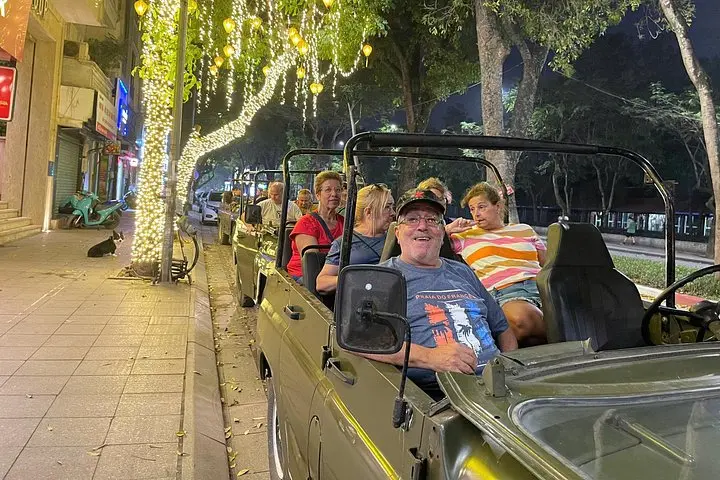
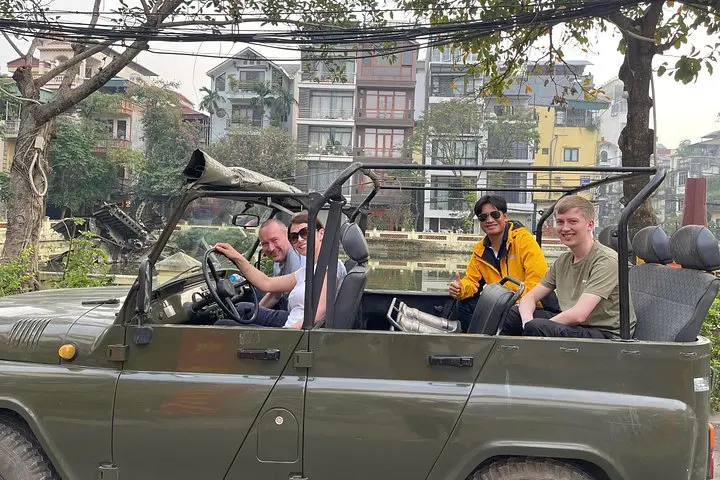
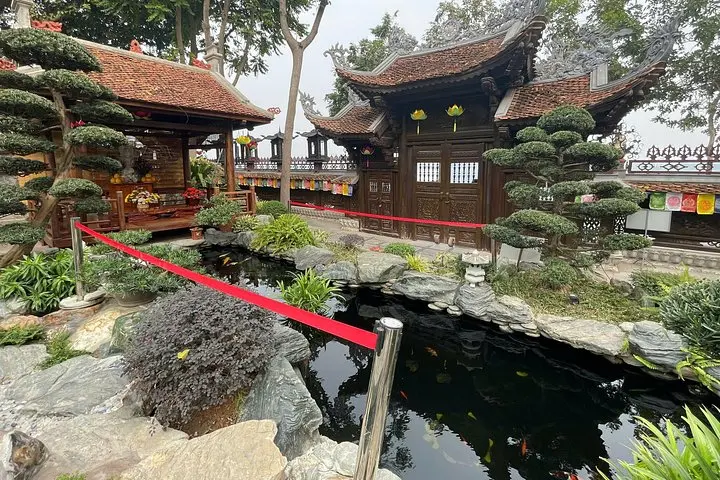
The Jeep bumps awake the city before the heat climbs. You slide into a weathered leather seat as narrow streets open like pages—motorbikes flowing, market stalls steaming, a line of colonial facades standing watch. The morning drive threads past the Hanoi Opera House and the broad forecourt of the Ho Chi Minh Mausoleum, then slips into quieter lanes where the city’s everyday rituals—tea poured, fish grilled, bicycles parked—play out.
The Jeep bumps awake the city before the heat climbs. You slide into a weathered leather seat as narrow streets open like pages—motorbikes flowing, market stalls steaming, a line of colonial facades standing watch. The morning drive threads past the Hanoi Opera House and the broad forecourt of the Ho Chi Minh Mausoleum, then slips into quieter lanes where the city’s everyday rituals—tea poured, fish grilled, bicycles parked—play out.
Hanoi’s story is visible in its streets: French neoclassical architecture from the early 20th century, the patriotic markers of the B52 Memorial, and lakes that are relics of the Red River’s floodplain. West Lake and Truc Bach hold shallow, sediment-rich basins where people fish and birds quarter the water; Thanh Nien Street hugs one of those calm edges, offering a slower pulse to the urban rush. Cultural notes arrive in small measures—a pagoda bell, a plate of fresh fruit on Banana Island, a guide pointing out a local tea house—giving texture to the city’s living history.
Practically, expect four hours of mostly seated travel with several short walks at photo stops and markets; total driving covers central Hanoi and nearby village roads rather than long treks. Wear breathable layers, bring sun protection and insect repellent, and keep small cash for snacks and market purchases. The jeep provides a quick way to bridge Hanoi’s contrasts—urban roar and village hush—so move deliberately: photograph widely, step carefully through alleys, and let the city’s pace pull you into its stories.