THE ADVENTURE COLLECTIVE® · Independent discovery and booking for outdoor travel

Walk the Old Quarter with a guide and taste Michelin-selected Hanoi classics—from Cha Ca to egg coffee—across 6–8 stops. In 2–3 hours you’ll learn the history and flavor architecture behind each dish while navigating the city’s lively streets.
Walk the Old Quarter with a guide and taste Michelin-selected Hanoi classics—from Cha Ca to egg coffee—across 6–8 stops. In 2–3 hours you’ll learn the history and flavor architecture behind each dish while navigating the city’s lively streets.
The clatter of motorbikes, a ribbon of steam from noodle bowls and the smell of grilled fish meet you on the narrow lanes of Hanoi’s Old Quarter. Start near Hoan Kiem Lake and you’re immediately in a neighborhood that still carries the imprint of guild streets—carpenter alleys, silk sellers and food vendors side-by-side—where each corner tastes of history.
Verified experiences and guided adventures in the surrounding area.
Operated by Vietnam Creative Travel · Hanoi, Hanoi
The clatter of motorbikes, a ribbon of steam from noodle bowls and the smell of grilled fish meet you on the narrow lanes of Hanoi’s Old Quarter. Start near Hoan Kiem Lake and you’re immediately in a neighborhood that still carries the imprint of guild streets—carpenter alleys, silk sellers and food vendors side-by-side—where each corner tastes of history.
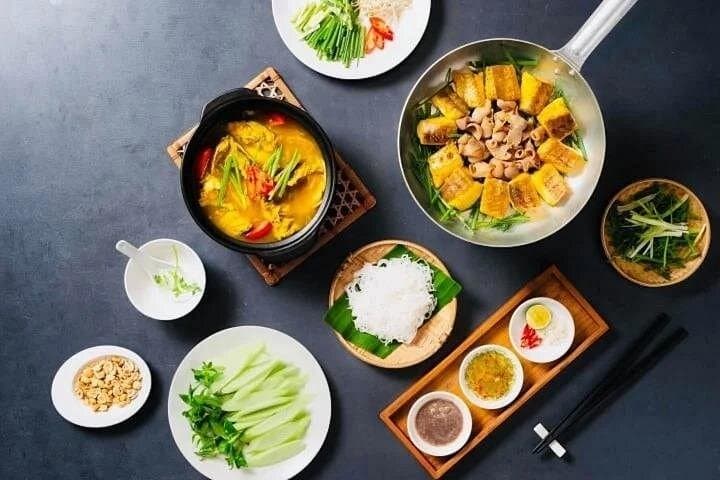
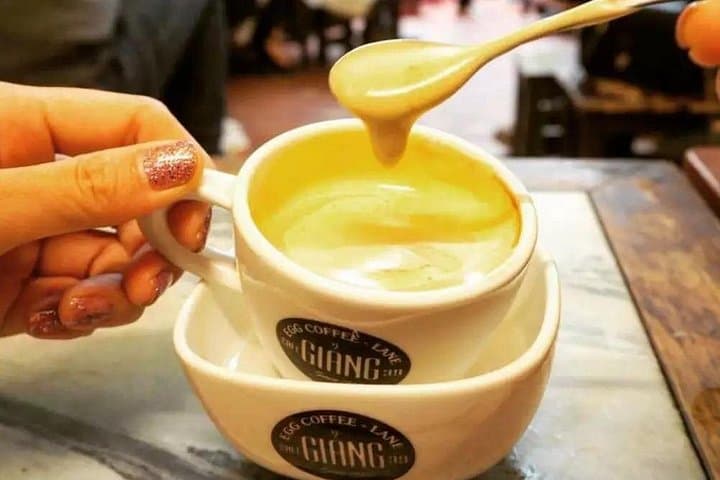
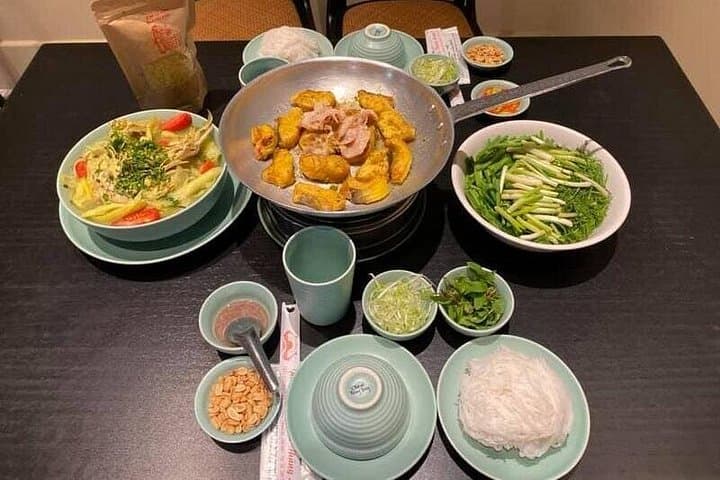
This walking tour threads through dishes that define the city: Cha Ca’s turmeric-bright fish, the char and sweetness of Bun Cha, the calming broth of pho and the unusual richness of egg coffee at Cafe Giang. Hanoi sits on the Red River Delta; the flat, alluvial plain shaped its markets and trade routes, feeding a cuisine built on rice, freshwater fish and aromatic herbs. French colonial streets and wooden tube houses frame the food culture, while local vendors pass down methods across generations.
Expect 6–8 tasting stops over two to three hours, led by a guide who explains ingredients, preparation and the local stories behind each dish. The route is mostly flat but uses narrow sidewalks and busy crossings; plan for pockets of standing and brief waits.
Practical edge: arrive hungry but not starving, bring small bills for extras, and schedule in the cooler morning or early evening to avoid the heaviest heat and traffic. Hydration is provided, but a refillable bottle is useful.
This is a culinary immersion more than a hike—an urbane, sensory-focused walk that teaches Hanoi through its plates and people.
The tour lasts about 2–3 hours and includes tastings at approximately 6–8 Michelin-selected stops, from Cha Ca to dessert.
Vegetarian or other dietary needs can often be accommodated with prior notice—indicate restrictions when booking so the guide can plan alternatives.
Pickup from hotels in the center of the Old Quarter is offered; meeting at the company office is an alternative if preferred.
The tour is labeled physically easy and can accommodate children, though infants must sit on an adult’s lap and the streets can be crowded.
Vietnam Creative Travel operates guided outdoor trips and adventures with an emphasis on safety, stewardship, and memorable experiences.

The clatter of motorbikes, a ribbon of steam from noodle bowls and the smell of grilled fish meet you on the narrow lanes of Hanoi’s Old Quarter. Start near Hoan Kiem Lake and you’re immediately in a neighborhood that still carries the imprint of guild streets—carpenter alleys, silk sellers and food vendors side-by-side—where each corner tastes of history.
The clatter of motorbikes, a ribbon of steam from noodle bowls and the smell of grilled fish meet you on the narrow lanes of Hanoi’s Old Quarter. Start near Hoan Kiem Lake and you’re immediately in a neighborhood that still carries the imprint of guild streets—carpenter alleys, silk sellers and food vendors side-by-side—where each corner tastes of history.
This walking tour threads through dishes that define the city: Cha Ca’s turmeric-bright fish, the char and sweetness of Bun Cha, the calming broth of pho and the unusual richness of egg coffee at Cafe Giang. Hanoi sits on the Red River Delta; the flat, alluvial plain shaped its markets and trade routes, feeding a cuisine built on rice, freshwater fish and aromatic herbs. French colonial streets and wooden tube houses frame the food culture, while local vendors pass down methods across generations.
Expect 6–8 tasting stops over two to three hours, led by a guide who explains ingredients, preparation and the local stories behind each dish. The route is mostly flat but uses narrow sidewalks and busy crossings; plan for pockets of standing and brief waits.
Practical edge: arrive hungry but not starving, bring small bills for extras, and schedule in the cooler morning or early evening to avoid the heaviest heat and traffic. Hydration is provided, but a refillable bottle is useful.
This is a culinary immersion more than a hike—an urbane, sensory-focused walk that teaches Hanoi through its plates and people.