THE ADVENTURE COLLECTIVE® · Independent discovery and booking for outdoor travel

Shop a bustling Hanoi market, then cook iconic Vietnamese dishes under local chefs’ guidance. This 3.5-hour hands-on experience blends ingredient sourcing with practical techniques—ideal for curious eaters.
Shop a bustling Hanoi market, then cook iconic Vietnamese dishes under local chefs’ guidance. This 3.5-hour hands-on experience blends ingredient sourcing with practical techniques—ideal for curious eaters.
You step out of a narrow lane and the Old Quarter opens: a grid of low shop-houses, fried shallot steam, and vendors calling over baskets of herbs. The market presses close—vegetables piled like green waves, fish on ice, chilies bright as warning lights—and the class begins where the city shops for dinner.
Verified experiences and guided adventures in the surrounding area.
Operated by Vietnam - Hanoi Package Tours · Hanoi, Hanoi
You step out of a narrow lane and the Old Quarter opens: a grid of low shop-houses, fried shallot steam, and vendors calling over baskets of herbs. The market presses close—vegetables piled like green waves, fish on ice, chilies bright as warning lights—and the class begins where the city shops for dinner.
The Old Quarter grew from the 11th-century commercial docks along the Red River floodplain. Its geology—rich alluvial soil—made the region a rice and vegetable heartland, while trade birthed the 36 streets still named for the crafts and goods sold there. Food culture here is public and performative: street vendors, family-run stalls, and seasonal produce dictate menus the way tides shape the riverbank.
In the kitchen you’ll learn basic techniques—balancing fish sauce and lime, wrapping rice paper, building a proper pho simmer—under chefs who translate tradition into repeatable steps. Expect hands-on chopping, heat at the wok station, and explanations of ingredient provenance from local spice to regional rice varieties.
Practical guidance: allow about 3.5 hours total; plan to walk on uneven market surfaces and stand during the class. Bring cash for market purchases (some vendors don’t accept cards), wear closed-toe shoes, and pack a small reusable bag for ingredients. Morning classes avoid the city heat and offer fresher produce; late afternoon sessions feel more relaxed. For dietary needs, notify the operator in advance. The class is accessible to beginners but delivers authentic, sensory learning—smells, textures, and the quick rhythm of Vietnamese cooking.
The guided market visit is included, but you may be asked to reimburse the instructor if you choose to purchase additional ingredients—bring cash for those transactions.
Yes—most instructors can adapt recipes for vegetarian, halal, or common allergies if informed in advance at booking.
Expect a short walk through the market (10–20 minutes) on uneven surfaces and standing during the 2–3 hour cooking portion.
No—this class is designed for beginners and experienced cooks alike; chefs teach step-by-step techniques used in local kitchens.
Vietnam - Hanoi Package Tours operates guided outdoor trips and adventures with an emphasis on safety, stewardship, and memorable experiences.
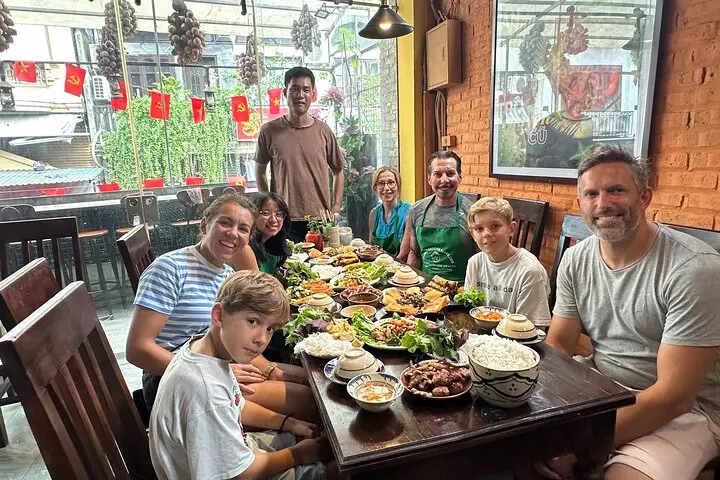
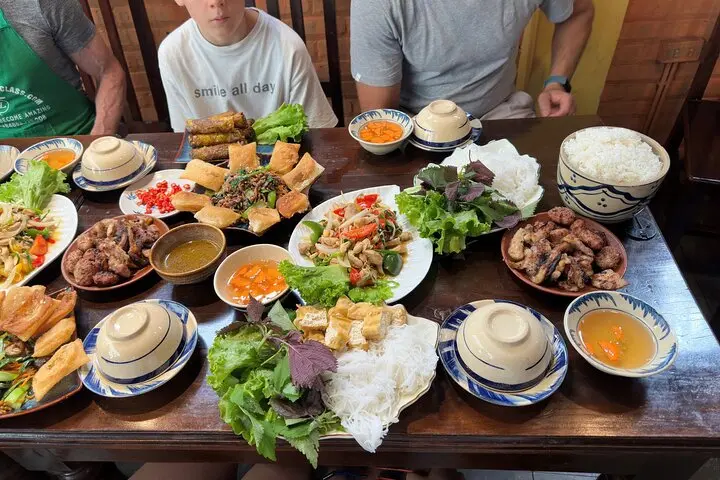
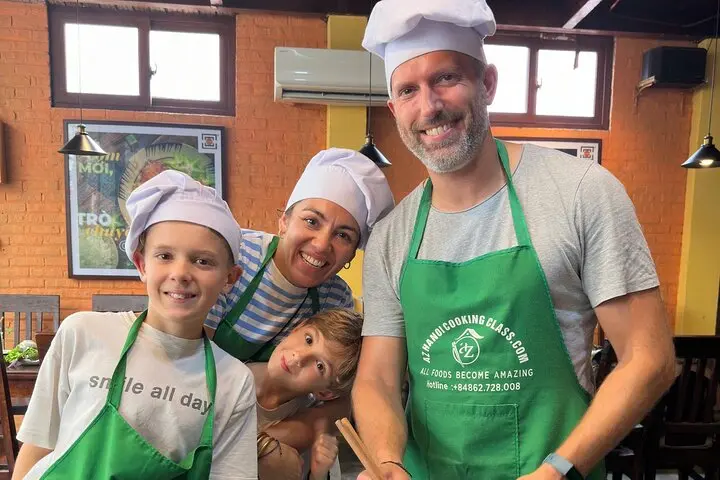
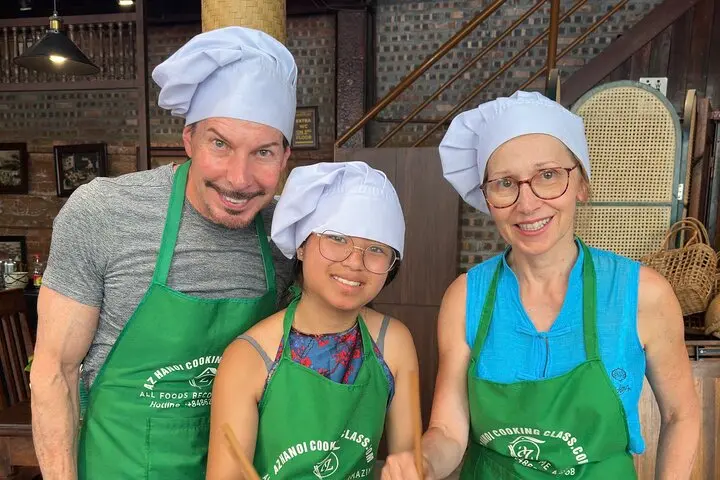
You step out of a narrow lane and the Old Quarter opens: a grid of low shop-houses, fried shallot steam, and vendors calling over baskets of herbs. The market presses close—vegetables piled like green waves, fish on ice, chilies bright as warning lights—and the class begins where the city shops for dinner.
You step out of a narrow lane and the Old Quarter opens: a grid of low shop-houses, fried shallot steam, and vendors calling over baskets of herbs. The market presses close—vegetables piled like green waves, fish on ice, chilies bright as warning lights—and the class begins where the city shops for dinner.
The Old Quarter grew from the 11th-century commercial docks along the Red River floodplain. Its geology—rich alluvial soil—made the region a rice and vegetable heartland, while trade birthed the 36 streets still named for the crafts and goods sold there. Food culture here is public and performative: street vendors, family-run stalls, and seasonal produce dictate menus the way tides shape the riverbank.
In the kitchen you’ll learn basic techniques—balancing fish sauce and lime, wrapping rice paper, building a proper pho simmer—under chefs who translate tradition into repeatable steps. Expect hands-on chopping, heat at the wok station, and explanations of ingredient provenance from local spice to regional rice varieties.
Practical guidance: allow about 3.5 hours total; plan to walk on uneven market surfaces and stand during the class. Bring cash for market purchases (some vendors don’t accept cards), wear closed-toe shoes, and pack a small reusable bag for ingredients. Morning classes avoid the city heat and offer fresher produce; late afternoon sessions feel more relaxed. For dietary needs, notify the operator in advance. The class is accessible to beginners but delivers authentic, sensory learning—smells, textures, and the quick rhythm of Vietnamese cooking.