THE ADVENTURE COLLECTIVE® · Independent discovery and booking for outdoor travel

Walk the Old Quarter as night settles and taste Hanoi’s classics—pho, bun cha, bánh mì and egg coffee—led by an English-speaking local. This 3–4 hour evening tour navigates narrow alleys, family stalls, and the culinary history behind northern Vietnamese flavors.
Walk the Old Quarter as night settles and taste Hanoi’s classics—pho, bun cha, bánh mì and egg coffee—led by an English-speaking local. This 3–4 hour evening tour navigates narrow alleys, family stalls, and the culinary history behind northern Vietnamese flavors.
The sun slips behind low tiled roofs and the Old Quarter shifts into motion: sizzling woks flare, egg coffee froths under warm hands, and scooters thread the alleys like quicksilver. An evening walk through Hanoi’s 36 streets is sensory navigation—steam, smoke, sweet and salty—guided by a local who reads lanes the way a captain reads wind.
Verified experiences and guided adventures in the surrounding area.
Operated by Tiger Trail Travel · Hanoi, Hanoi
The sun slips behind low tiled roofs and the Old Quarter shifts into motion: sizzling woks flare, egg coffee froths under warm hands, and scooters thread the alleys like quicksilver. An evening walk through Hanoi’s 36 streets is sensory navigation—steam, smoke, sweet and salty—guided by a local who reads lanes the way a captain reads wind.
Hoàn Kiếm’s shallow lake and the surrounding grid grew from the Red River’s floodplain and a medieval trading district where guild streets formed by craft—silks, metals, herbs—gave the quarter its identity. French colonial influence left its mark in baguettes that became bánh mì; northern Vietnamese techniques shaped the clear, aromatic pho you’ll taste here.
Culinary culture in Hanoi favors texture and balance: savory, sour, sweet, and fresh herbs piled at the last moment. A good guide opens doors to family stalls, explains ingredients, and points out the small rituals—how nước chấm is assembled, why fish sauce varies, which vendors roast coffee beans for eggs.
Practical notes: tours typically run 3–4 hours in the evening (many start around 18:00), are on foot and cover narrow, uneven pavements. The group size is small; the route can change depending on crowds and season. Carry small cash for extra dishes, tell your guide about allergies in advance, and wear closed-toe shoes—scooters and boiling broth demand alert feet. The tour is suitable for most fitness levels and offers an efficient, flavorful snapshot of Hanoi’s living food culture.
Some tastings and an egg coffee or local dessert are typically included, but alcoholic drinks and extra items at independent vendors usually require additional payment.
Yes, but options are more limited—inform your guide in advance and they’ll adjust stops toward vegetarian-friendly dishes.
Start and end locations vary by guest pickup point; many tours begin near Hoàn Kiếm Lake in the Old Quarter and finish within the same area for convenience.
The Old Quarter’s narrow, uneven sidewalks and frequent staircases make this tour not wheelchair accessible.
Tiger Trail Travel operates guided outdoor trips and adventures with an emphasis on safety, stewardship, and memorable experiences.
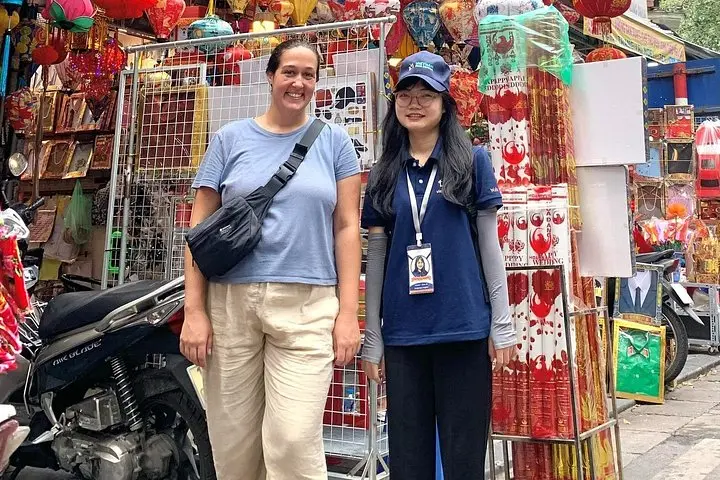
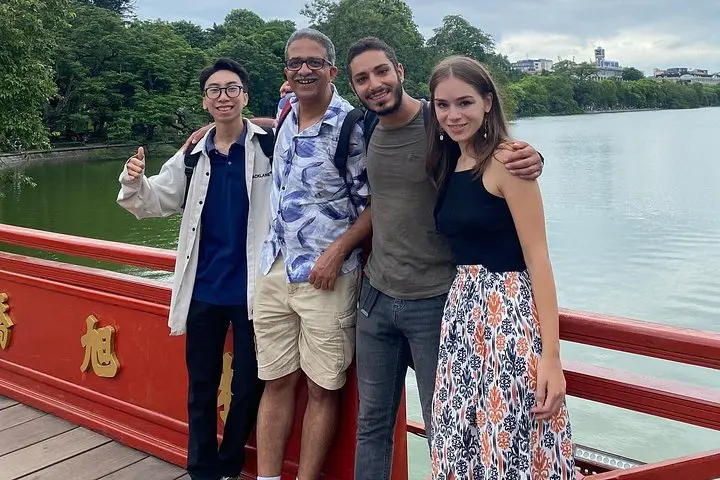
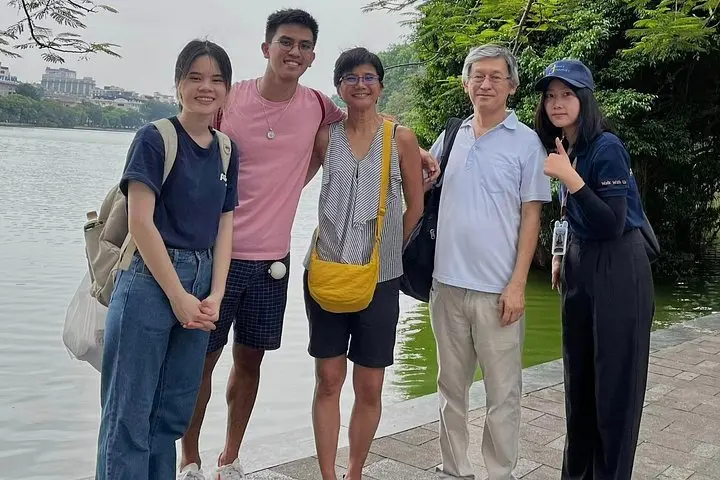
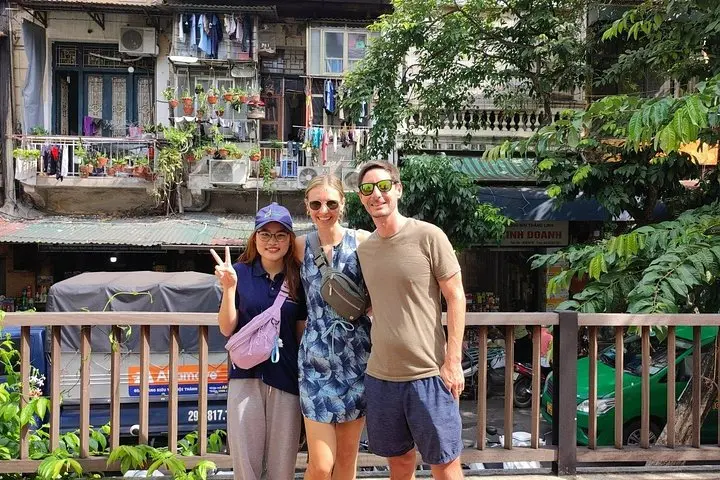
The sun slips behind low tiled roofs and the Old Quarter shifts into motion: sizzling woks flare, egg coffee froths under warm hands, and scooters thread the alleys like quicksilver. An evening walk through Hanoi’s 36 streets is sensory navigation—steam, smoke, sweet and salty—guided by a local who reads lanes the way a captain reads wind.
The sun slips behind low tiled roofs and the Old Quarter shifts into motion: sizzling woks flare, egg coffee froths under warm hands, and scooters thread the alleys like quicksilver. An evening walk through Hanoi’s 36 streets is sensory navigation—steam, smoke, sweet and salty—guided by a local who reads lanes the way a captain reads wind.
Hoàn Kiếm’s shallow lake and the surrounding grid grew from the Red River’s floodplain and a medieval trading district where guild streets formed by craft—silks, metals, herbs—gave the quarter its identity. French colonial influence left its mark in baguettes that became bánh mì; northern Vietnamese techniques shaped the clear, aromatic pho you’ll taste here.
Culinary culture in Hanoi favors texture and balance: savory, sour, sweet, and fresh herbs piled at the last moment. A good guide opens doors to family stalls, explains ingredients, and points out the small rituals—how nước chấm is assembled, why fish sauce varies, which vendors roast coffee beans for eggs.
Practical notes: tours typically run 3–4 hours in the evening (many start around 18:00), are on foot and cover narrow, uneven pavements. The group size is small; the route can change depending on crowds and season. Carry small cash for extra dishes, tell your guide about allergies in advance, and wear closed-toe shoes—scooters and boiling broth demand alert feet. The tour is suitable for most fitness levels and offers an efficient, flavorful snapshot of Hanoi’s living food culture.